Hue House, a new Asian cultural center in Midtown Manhattan, features Taiwanese cuisine, a rotating Asian diner, a vintage vinyl bar, and a wellness spa inspired by traditional Chinese medicine.
The space is meant to feel like a cultural home and offers unique features, including New York City’s first tea-vodka vending machine, a coffee and tea shop that also serves as an AAPI retail store, and a rooftop spa with treatments like gua sha and herbal consultations.
Located on 41st Street between Madison and Park Avenues, Hue House offers a food-focused experience. The first floor features Gulp, a Taiwanese night-market restaurant known for beef noodle soup, braised pork noodles, bento meals, and popcorn chicken. Upstairs is Traveler, a train-themed bistro that will rotate its Asian cuisine each season. The first menu highlights Taiwanese dishes and cocktails named after cities in Taiwan, along with the popular liquor vending machine.
On the second floor, guests will find 929, a nostalgic vinyl bar playing Cantonese and Mandarin records from the 1980s. The retro theme continues with menus printed on CDs.
Next year, Hue House plans to open an apartment. Hue, a space for coffee, tea, retail, events, and chef dinners throughout the day and night. The top floor will also welcome Puyu, its wellness spa.
Hue House brings Asian heritage to the heart of Manhattan, aiming to create a space where Asian American community members and all New Yorkers can meet, connect, and experience Asian culture in new ways.
The natural beauty of Phuket, its easy access to island-hopping, and its rich culture already make it one of the top destinations, but these six luxury resorts are unique for their stunning architecture and interior design.
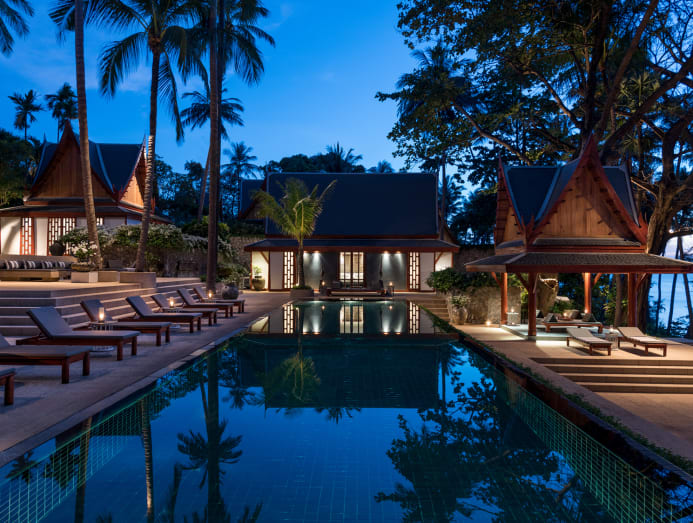
The first Aman resort, Amanpuri, was launched in 1988 and continues to be a model of discreet luxury. It is designed to correspond to the pavilion type of Thai architecture, with sweeping roofs, teakwork, and panoramic views of the Andaman Sea, and was designed by an architect, Edward Tuttle. In 2023, a redesign added a restaurant and retail pavilion by Kengo Kuma, new hydrotherapy facilities, updated villas, and refurbished pavilions (some with pools of their own).
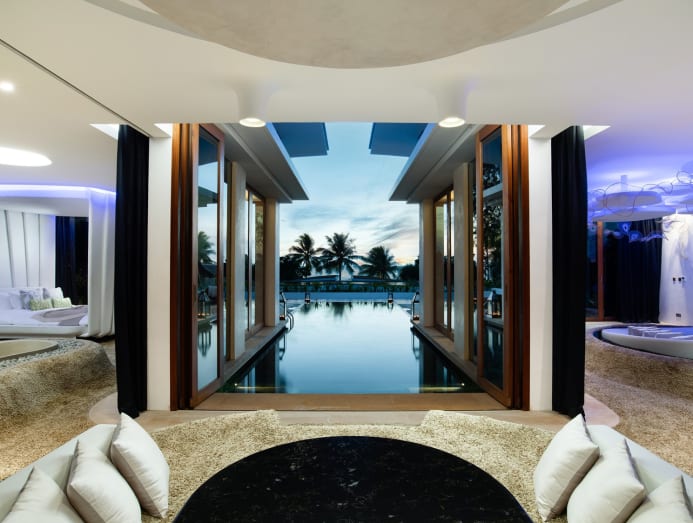
Iniala Beach House is a place to stay offering bold interiors, art, drive, and celebrity visitors, located at Natai Beach. The UK architect Graham Lamb collaborated with 11 global designers to design very personal spaces that contained more than 40 works of art. Its villas include the theatrical Collector Villa, with ceramic-coated walls by the Campana brothers, sculptural timber furnishings by Joseph Walsh, and suites by designers such as Mark Brazier-Jones and Jaime Hayon.
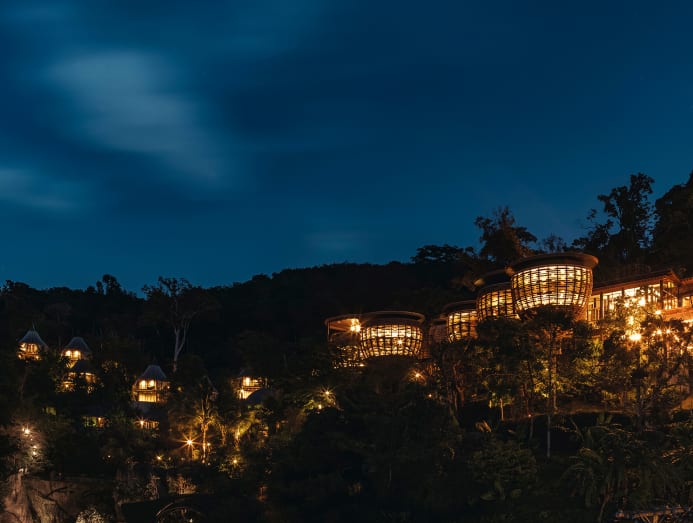
Keemala, the villa above Kamala, offers a fully immersive storytelling experience across four villa styles inspired by imaginary ancient Phuket families. The Tree Pool Houses, Birds Nest Villa, Tent Pool Villa, and Clay Pool Cottages are houses, each with its own distinct way of demonstrating the life of a tribe. The resort was designed by Architect Space, and its interiors were by Pisud Design, which used natural materials, Thai craftsmanship, murals by Surachai Sripaiboon, and textiles from the Doi Tung Development Project.
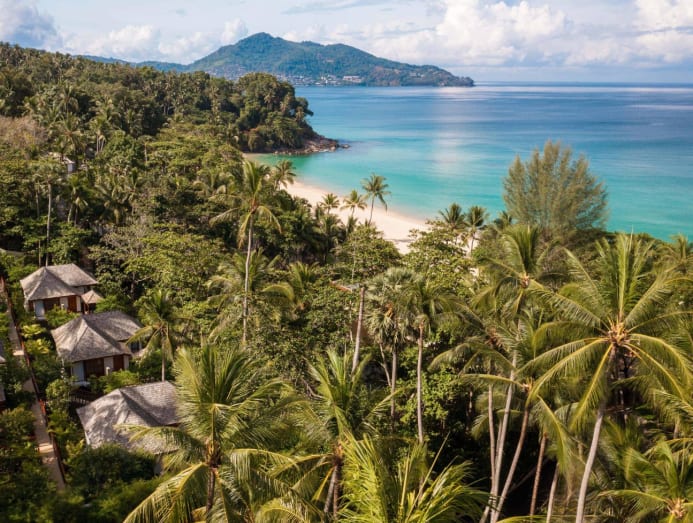
The Surin is one of the pioneer luxury resorts in Phuket, located on Pansea Beach and offering direct access to the white sand and turquoise waters. In 1995, Edward Tuttle redesigned it to bring an element of modern refinement with Thai cultural aspects. In 2011, the building was also revitalized with cedar shingles, herringbone floors, cottage-style interiors, and an anthracite-covered pool, which lights up at night. The resort is built into the mountain and uses walking pathways and stairs rather than lifts to ensure guests are in touch with nature.
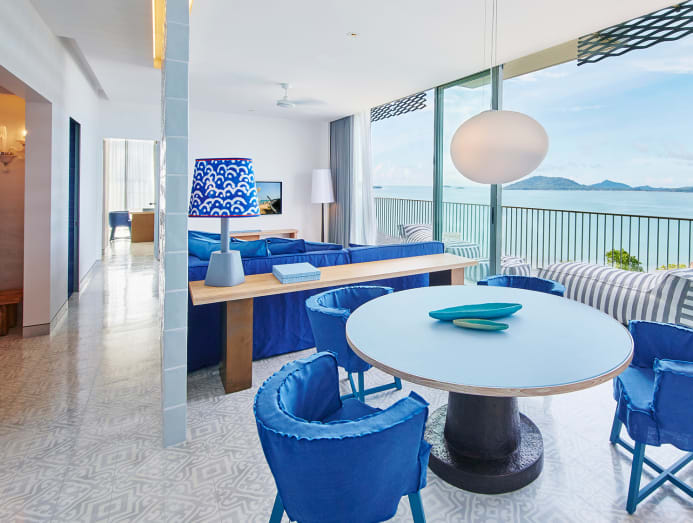
COMO Point Yamu is the first hotel designed by Italian designer Paola Navone and a new interpretation of Thai resort design. Located on the heights of Phang Nga Bay, it has a turquoise-and-white color scheme with references to the sea and contrasts with vivid strokes of orange, reminiscent of monks’ robes. Navone displays Thai artisanship by ceramic tiles, rattan lamp fixtures in the shape of lobster traps, and handmade Chiang Mai dinnerware.
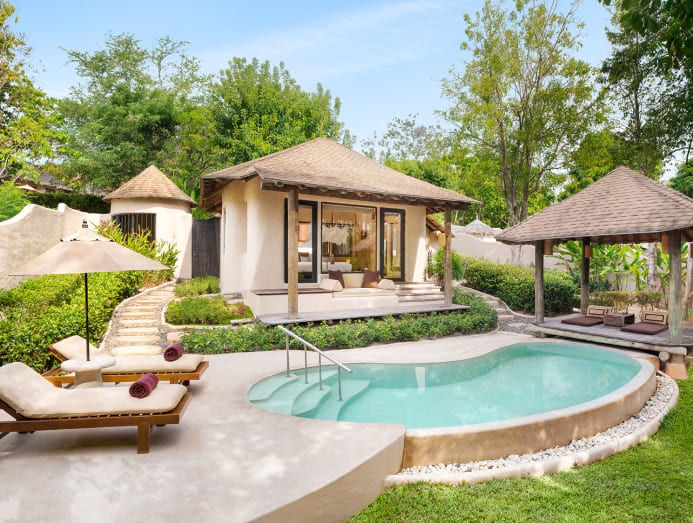
Naka Island is a single structure on Naka Yai Island in Phang Nga Bay, reached by speedboat from Ao Por Pier. The 90 villas are characterized by thatched roofs, curved and natural materials, and bathrooms with access to a garden via stepping-stones. Its initial design was by Habita Architects, but it was renovated by Begray Architects, featuring new luxurious rooms, a refurbished gym, and a beachfront restaurant. The Royal Horizon villa complex has 4 bedrooms, large decks, and a personal pool perfect for a family or wedding.
Looking to get away from the hustle and bustle Bali has to offer? Escape Bali will provide its visitors with relaxing villas surrounded by natural beauty, unique designs, and fascinating experiences.
Buahan, A Banyan Tree Escape
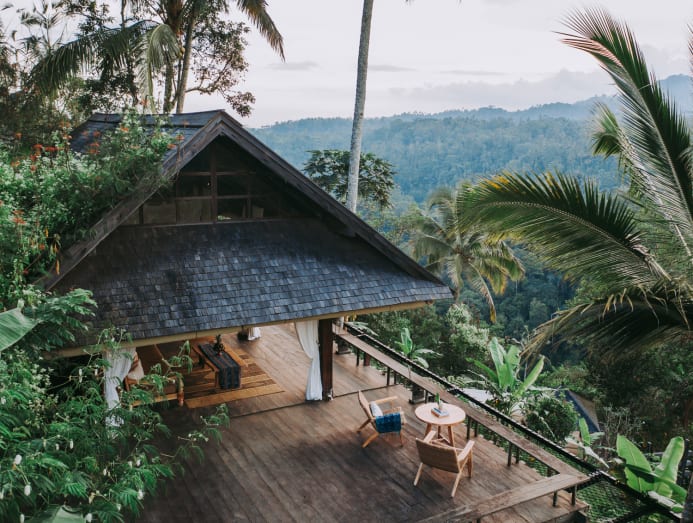 (Photo: Buahan, A Banyan Tree Escape)
Buahan, which is 20km north of Ubud, takes the meaning of blending with nature. It has 16 adult villas with no walls or doors, creating a seamless indoor-outdoor experience. The villas are equipped with a personal swimming pool, a chopper bathtub, and a large mattress. The Locavore-themed restaurant has plant-based food, and the Botanist Bar is a cocktail bar with local liquors. The central pool, which has seven mountains, is overlooked by a waterfall that is close by.
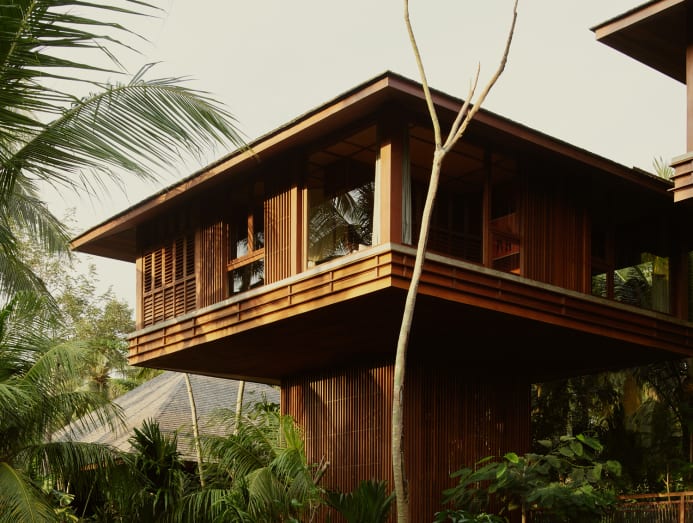
Located in a secret spot in Jembrana, this surfside resort features 8 raised wooden dwellings designed by Alexis Dornier and Studio Jencquel. The windows open to stunning ocean views, and at the entrance, neon works create the impression of stepping away from the busy world beyond. Ideal for surfers and design enthusiasts who want to get away with quiet luxury.
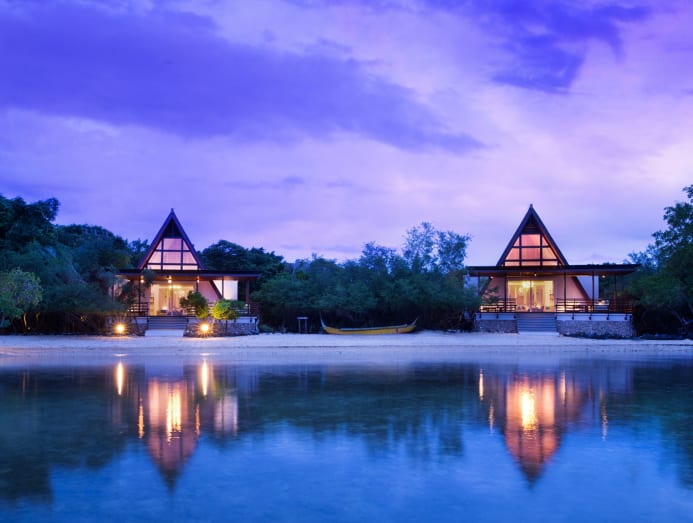
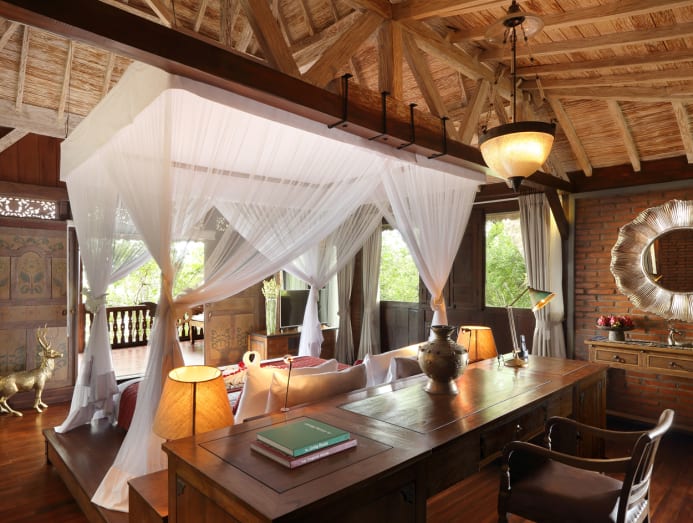
This 17-villa development is located within the West Bali National Park to place the guests in the forest and seascape. Villas are seen facing the mangrove shore or set in the jungle. There are often wildlife experiences of deer, monkeys, Bali starlings, and so on. The guests may visit the clean beaches of Menjangan Island, scuba dive in the sheltered waters, or take a sunset trip on a traditional Phinisi schooner.
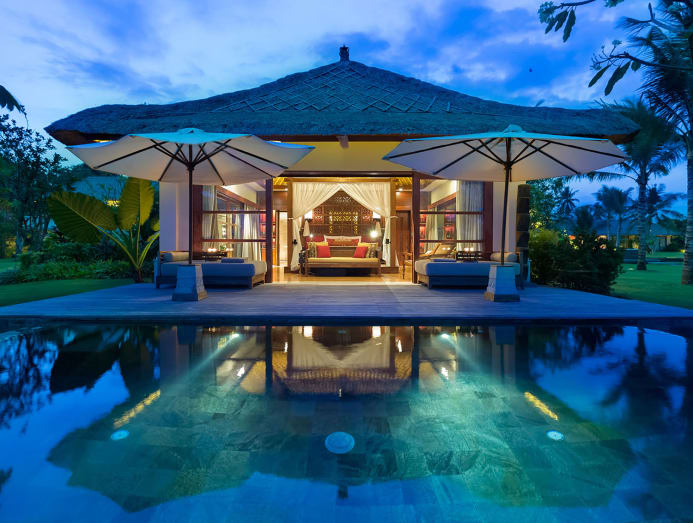
This is an eight-bedroom villa with private housing located in Banjar Beringkit; it is romantic, modern, and cultural. There is a 25m infinity pool, a tennis court, a bar with mountain views, and an indoor Moroccan-style cinema. The estate is made rich by art and antiques, from elephant statues to modern sculptures. Perfect for private families or large groups seeking privacy and luxury.
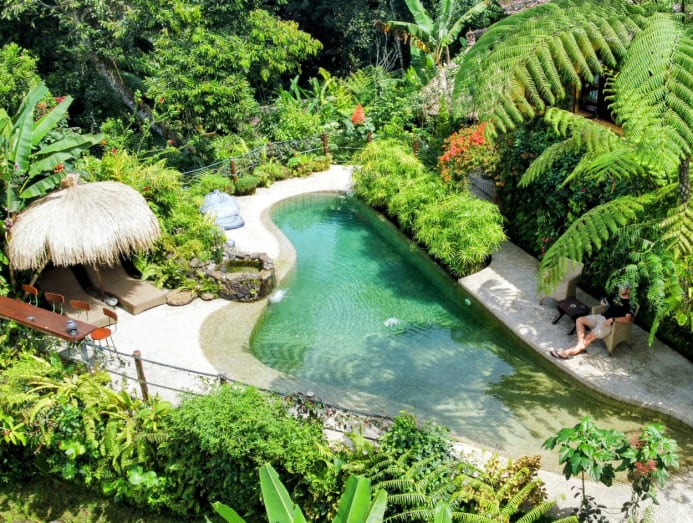
Samarin Sarinbuana is a rustic, eco-friendly lodge that stresses sustainability at the base of Mount Batukaru. Visitors will be accommodated in seven non-air-conditioned, non-television bungalows and cabins, with local food and environmentally friendly toiletries provided. The non-chemical pool and garden produce emphasize a life dedicated to nature, and programs such as tree planting require visitors to take an active role in environmental protection.
The Bali Beyond the Crowd: These five places are great places to go to for the traveler who wants a more serene, natural, and thoughtful place to stay than the touristic hotspots that make up the island.
Make your day memorable with a drink and a view. These bars are worth capturing, from cityscapes to ocean horizons, with cocktails, design, and sunsets.
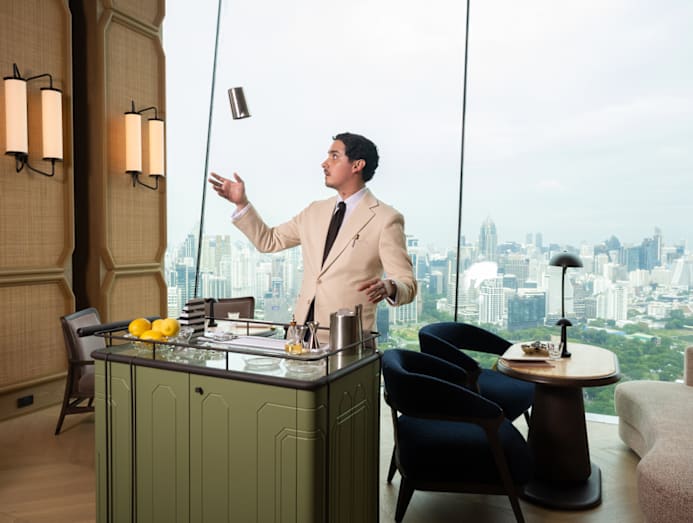
This bar, designed by Andre Fu, is located on the 39th floor and commands views of Lumphini Park. Enhance the Martini Trolley Experience, where the best vodkas, gins, and vermouths are prepared to your preference.
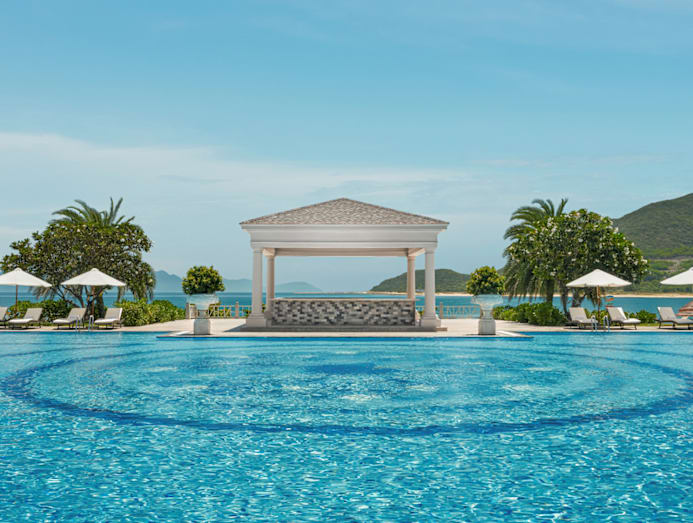
The four-column bar is spacious and has uninterrupted views of the tropical waters in Vietnam. The ideal sundowner.
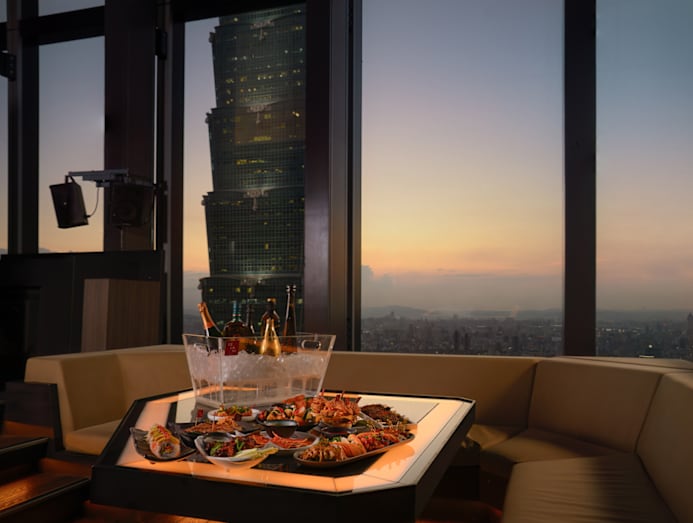
The views of Taipei 101 and the city skyline from the rooftop offer a backdrop for the golden hour cocktail experience.
This is the Sky Bar by Hong at the InterContinental Chiang Mai.
Bang cocktails and taste Chinese tapas as the city turns red to gold at sunset.
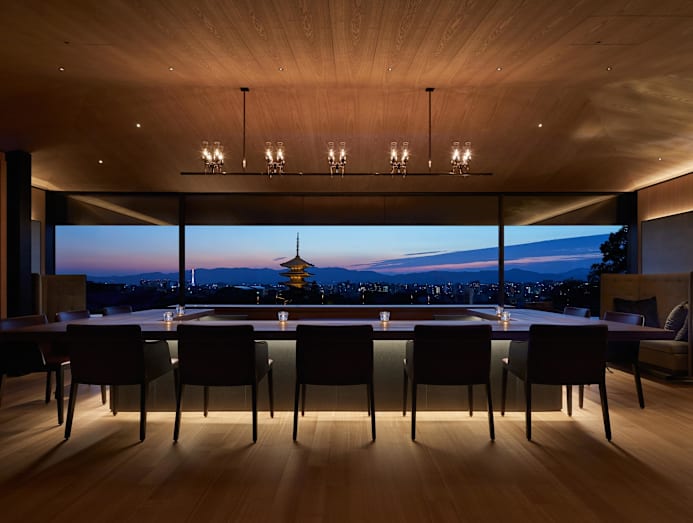
Kohaku – Park Hyatt Kyoto
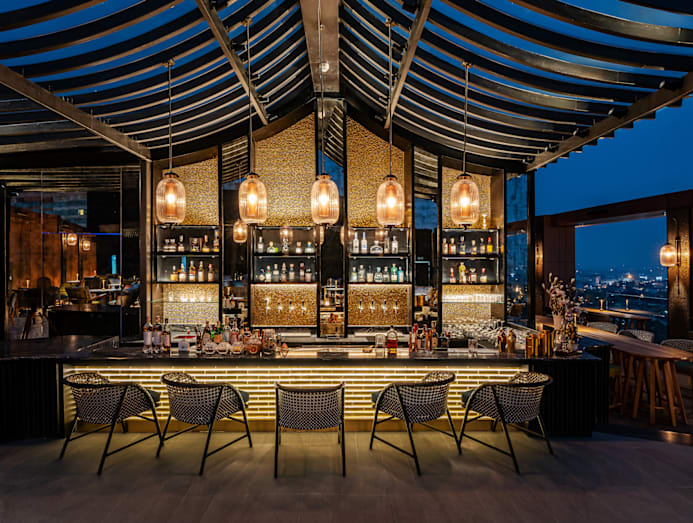
A peaceful bar that overlooks Yasaka Pagoda. Have fun in Kyoto with artisanal whiskey, sake, and gin, and the sun is dropping behind the rooftops of the city.
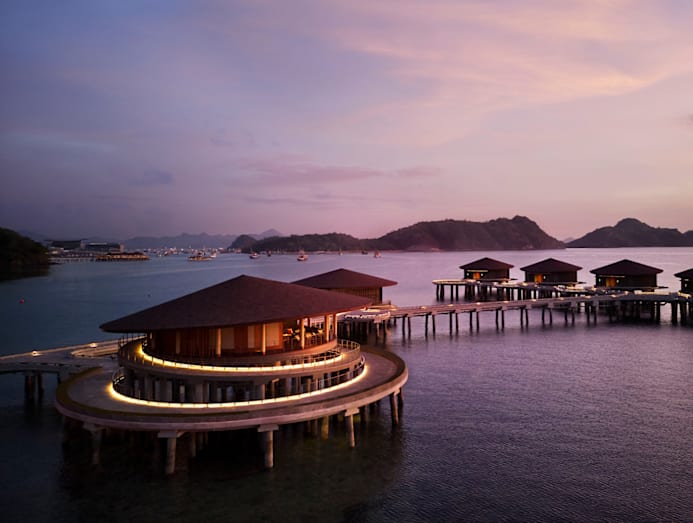
A floating jetty bar in Flores Island, which is usually filled with world-renowned bartenders. The sunset scene steals the show.
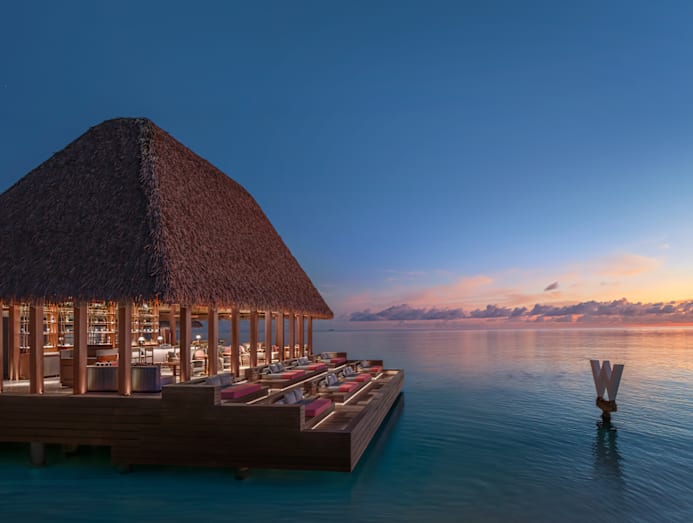
The sunsets here are memorable with Latin American-inspired cocktails and Nikkei food over crystal-clear waters.
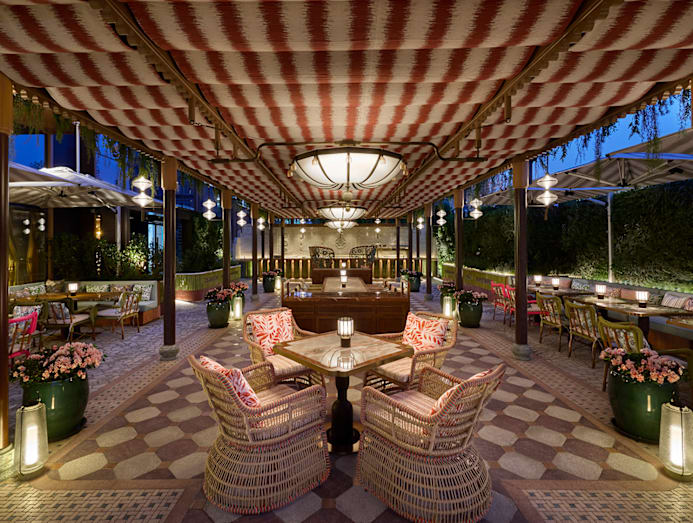
Contemporary cocktails inspired by the local flavors of Yunnan. The Outdoor Lounge garden provides a pure view of the sunset over the city.
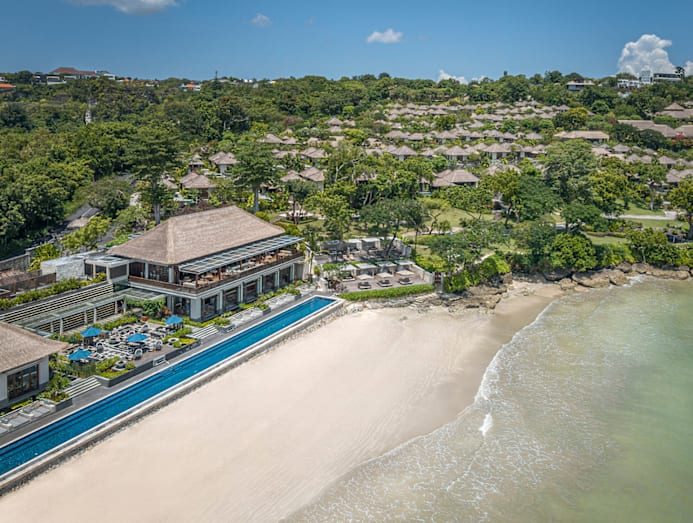
Overlooking the Jimbaran Bay, this posh beachfront location is the place to go to have daybeds, sundecks, and a Bali magic sunset.
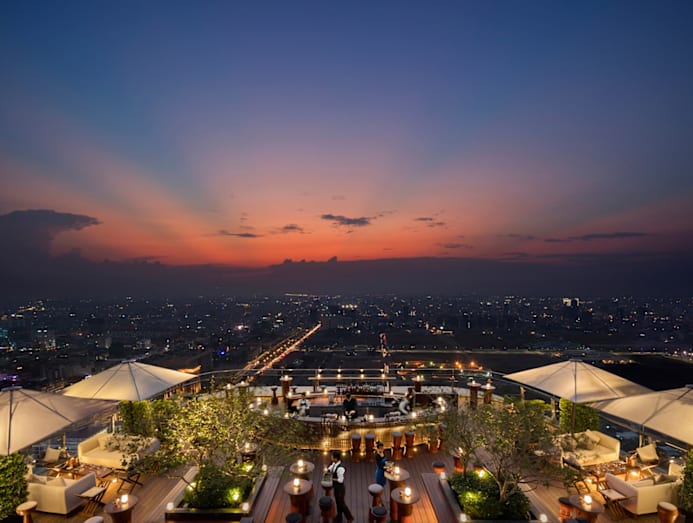
Visions of the skyline of Phnom Penh, out on the rooftop, with free-flow drinks, Cambodian-referenced cocktails, and the largest single malt selection in the country below.
Pop City x Pony, 19 Cecil Street, is a fun and Japanese-themed play by the creators of Jigger and Pony. The once Sugarhall space is subdivided into four areas:
Byobu Bar – The 11-seat counter that is surrounded by a hand-painted folding screen.
Bar Mixtape – A hidden room with CDs and headphones to listen to them with nostalgia.

Tasting Commons – A Suntory joint collaborating space to taste the whisky during the day and dance to the DJ at night.
After Hours Salon – Sofa, low seating, and banquettes for bigger groups in kimono-related fabrics.
One of the co-founders, Indra Kantono, says the bar is meant to be friendly: you don’t have to come alone, invite friends, or enjoy a whiskey tasting. The bar will serve Japanese whiskeys such as Hibiki Harmony, Toki, and Roku Gin, as well as Bowmore and Maker’s Mark Bourbon.
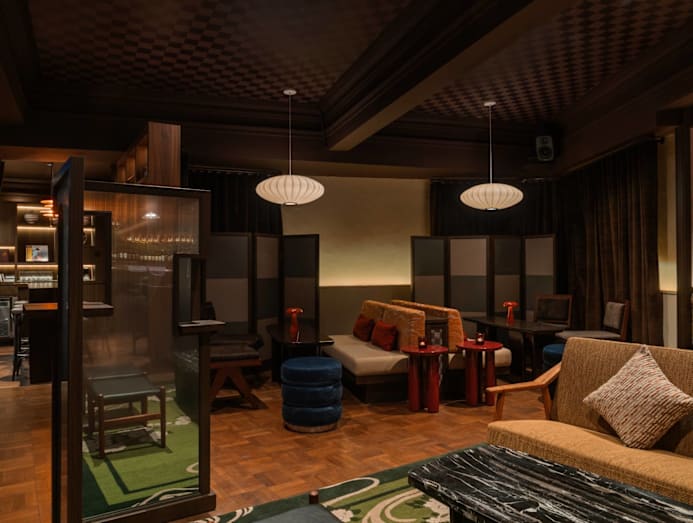
Trained by Aki Eguchi, Sylvia Chong, and Christopher Foo, the inaugural menu has 16 cocktails with prices of S$24-S28, such as the playful cocktails, the Hojicha Espresso Martini, Shiitake Negroni, Mikan French 75, and the color-changing cocktail, Pop City Sour. Happy Hour deals are S$15 highballs and S$17 Hibiki Harmony cocktails.
According to Kantono, the concept is about value and experience: we want to make it a friendly place where people can have a good drink and great service, easy to approach for both beginners and whisky lovers.
Cruising is no longer the preserve of the retired. In 2025, the cruise industry is being transformed, with Gen Z and millennials driving high demand, even as the travel industry at large is performing poorly.
Thom Puiman is a 35-year-old who went on his first cruise in the middle of the pandemic, on a cruise-to-nowhere around Singapore. It is the sense of normalness that he says he began to love taking cruises.
UK travel association Abta conducted a survey of almost a fifth of 25- to 34-year-olds who had been on a cruise in the last 12 months, compared with less than 1 in 20 in 2019.
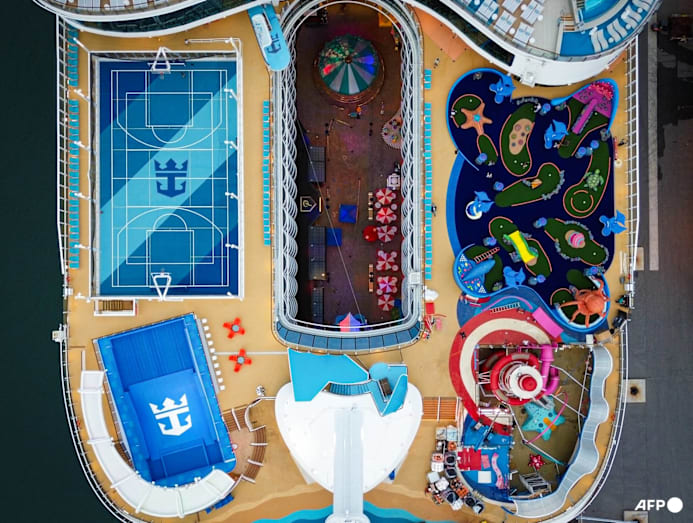
Analyst Sharon Zackfia says this change was initiated by Royal Caribbean Group to make cruising cool again. The company, which is currently valued at $70 billion, is trading at a price over 2x its pre-pandemic level.
Household spending by Americans on cruises increased by 9 percent in September compared with the same period in 2024, whereas aggregate travel expenditure declined by 2 percent. Bookings continued to rise, and Royal Caribbean, Carnival, and Norwegian increased their earnings guidance.
Lower Costs Drive Growth
Cruises have become more valuable than resorts. Cruise earnings per head have grown 24 percent in 2019 in the second quarter of 2025, whereas the US resort rates surged by 34 percent and the Caribbean rooms by 59 percent.
Caitlin Nixon, 28, spent £4,500, including flights, on a two-week Caribbean cruise. She adds that they did not want to waste money and would spend money visiting just one place.
Cruise operators are highly attracted to the Philippines and Indonesia, and wage solutions are not exposed to US and European hospitality standards.
Goldman Sachs analyst Lizzie Dove says that the pandemic was a curse and blessing in one. The operators have renovated booking systems, redesigned vessels, and created versatile schedules.
Since 2000, the world’s cruise liners have been doubling in size. The Icon of the Seas of Royal Caribbean is five times heavier than the Titanic.
Mega liners are now being used on short three- and four-night trips to entice first-timers and working professionals who have money but are very short of time, according to Anna Nash of MSC.
The Perfect Day at CocoCay, part of Royal Caribbean, reopened in 2019 with a $250 million upgrade. It is costing the company a private beach club in Santorini. Carnival is coming up with $600 million Celebration Key on the Grand Bahama.
Sightseeing sites can bypass port fees and avoid the pressure of overtourism. Cannes and Venice prohibited bigger cruise vessels, and Alaska will limit Juneau travellers starting next year.
Social Media Fuels Bookings
Instagram and TikTok are used to overcome the biggest barrier to attracting first-timers: the lack of knowledge about what a cruise is about, according to Carnival CFO David Bernstein.
Challenges Emerge
US travel agents are seeing fewer bookings due to the government shutdown, inflation, and Hurricane Melissa. Royal Caribbean’s stock fell by one-fifth following poor Q3 results, despite higher annual projections.
Executives’ efforts have shifted to increasing ticket prices. Bernstein, the president of Carnival, says he sincerely believes the company should charge more than land-based resorts.
Royal Caribbean CEO Jason Liberty admits there are economic pressures: consumers may be unwilling to pay as they did last year.
In 2024, the industry recorded almost 35 million passengers, a 9.7 per cent increase from 2023. However, maintaining growth and rising prices amid economic uncertainty will be the sector’s greatest challenge going forward.
A Singapore family built a light-filled home designed for both work and living after years of apartment life, moving into a landed property to create space, light and connection to nature. Their new home balances productivity and peace for two working professionals.
The owners engaged Melvin Keng of Kaizen Architecture to transform the house. It retains its original two-storey structure with a new attic and features clean, orthogonal architectural forms, textured finishes and terracotta-red accents inspired by Mexican architect Luis Barragán.
Each floor serves a distinct purpose: the first storey centres on open common spaces for hosting; the second storey houses the daughters’ en-suite bedrooms; and the attic level is devoted to the master suite and home office
Distinct design moves help elevate the home’s live-work capability. A double-volume void above the dining table connects the second-storey family room to the ground floor, and large sliding glass doors open the dining area to a side garden, creating breezy indoor-outdoor flow.
Work has a clear place in the house. The owner’s study on the attic level overlooks greenery through a band of windows, giving a quiet, private vantage point. The dining table and living area also double as workspaces when needed, meaning the home adapts to the owners’ routines.
Natural light and ventilation play key roles. The designers expanded openings, added a one-metre-deep canopy linking car porch to patio, and introduced lush boundary planting to bring nature in and blur indoor-outdoor boundaries.
Bedroom balconies look out to mature trees and greenery, offering individual outdoor spaces for each daughter. The design borrows views from a nearby condominium landscape, enhancing the sense of openness and retreat. Materials are minimal yet expressive: spray-textured paint, fluted concrete, composite timber planks and terracotta floors create a layered but calming aesthetic. The restrained palette ensures the home remains functional and ‘easy to be in’ during gatherings or everyday living.
For the homeowners, the result is more than a house it’s a workspace, sanctuary and gathering place all in one. The home meets the demands of their professional lives while preserving warmth, connection and moments of calm.
In the Paris suburb of Asnières, France, the luxury house Louis Vuitton still crafts its iconic hard-sided trunks using traditional methods at the original family atelier. The site also houses the historic family home of its founder and remains central to the brand’s identity.
The facility employs more than 330 artisans who work with poplar and exotic woods, hand-apply canvas, and assemble the brass hardware that typifies the trunks. Many bespoke pieces can take several months, sometimes years, to complete.
Founder Louis Vuitton began as a trunk apprentice before opening his own workshop in 1859. He introduced the flat-lid, stackable design that transformed luggage for travel. The Asnières site near the River Seine was selected for its access to raw materials and shipping routes.
The adjacent family residence, built in Art Nouveau style and used by the Vuitton family until 1964, remains preserved and is used for private events. The surrounding workshops, meanwhile, continue to handle special orders and maintain the brand’s heritage craftsmanship.
From wardrobe trunks for explorers to custom trunks for designers and collectors, the legacy of the Vuitton trunk endures. The Asnières atelier stands as a living tribute to the roots of one of the world’s most recognisable luxury brands.
Britain’s most anticipated luxury train, the Britannic Explorer, was set to redefine high-end rail journeys across England and Wales. Instead, it has quickly become a cautionary tale of overpromises and technical failures.
What was meant to be a three-day escape through the Lake District ended abruptly near Milton Keynes, just four hours after leaving London Victoria. The issue? A faulty door mechanism. Guests, who had each paid upwards of £11,000 per couple, were escorted off and returned to London with the promise of a full refund and a complimentary future journey.
For passengers, it was a crushing disappointment. For Belmond—the luxury hospitality company owned by LVMH—it was another blow to a launch already plagued with setbacks.
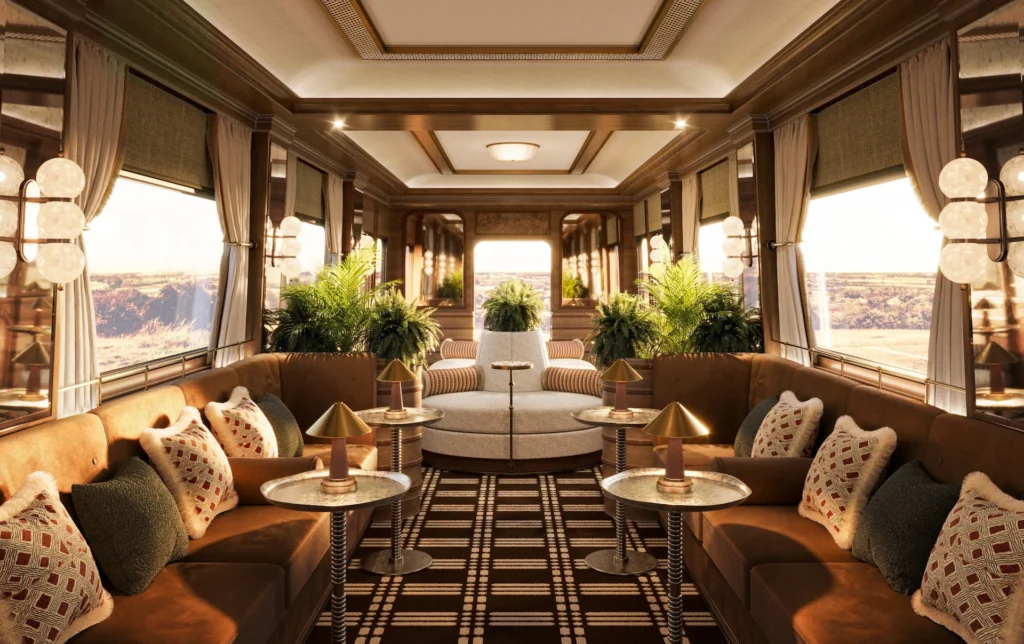
Belmond is no stranger to luxury rail. With icons such as the Venice Simplon-Orient-Express, the Royal Scotsman, and the Andean Explorer, the company has built its name on delivering opulent experiences on rails. Yet the Britannic Explorer’s debut has been anything but smooth.
Originally intended to begin operations in mid-2025, the train faced repeated postponements due to “maintenance” and “technical” issues. Even after it finally departed in late August with routes through Cornwall and Wales, reports of poor culinary execution, inconsistent water supply in cabins, and technical malfunctions dominated reviews.
Now, just weeks later, another high-profile cancellation has added fuel to the growing skepticism surrounding the project.
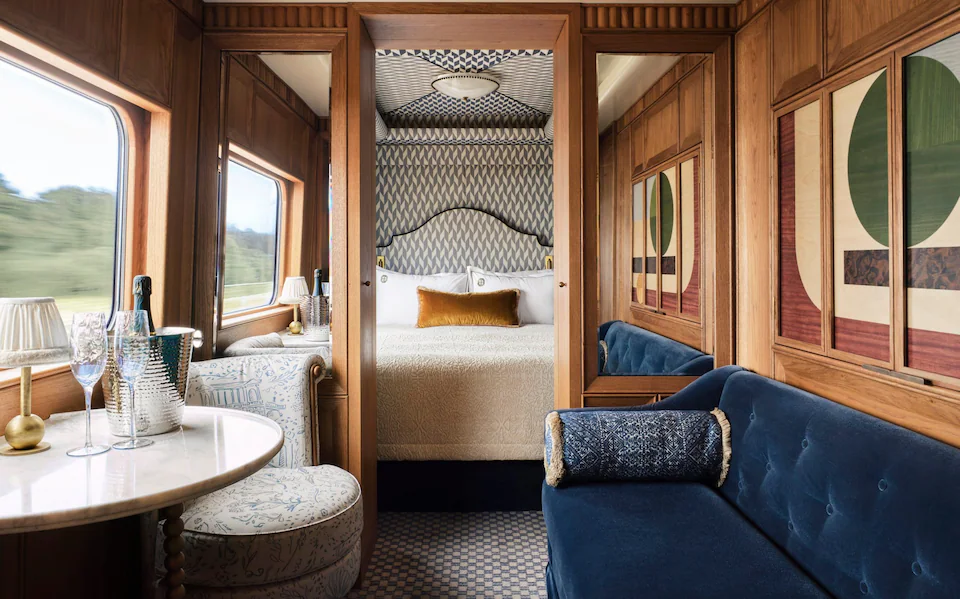
When the Britannic Explorer was first announced, it generated enormous buzz. Billed as the first ultra-luxury sleeper train to operate across England and Wales, it was marketed as “unapologetically British, effortlessly elegant,” offering curated journeys through Cornwall, Wales, and the Lake District.
The interiors, redesigned by London-based studio Albion Nord, promised a fresh blend of modern British design with vintage inspiration, drawing from the landscapes the train was meant to showcase. Early previews wowed critics with their mix of refined craftsmanship and contemporary touches.
A star-studded launch party in July 2025—complete with celebrity guests like Keira Knightley and acclaimed chef Simon Rogan—fueled expectations. Yet within 24 hours, the train’s maiden voyage was abruptly cancelled.
Luxury travel thrives on reliability and exclusivity. Guests who spend five-figure sums expect not only seamless service but also the sense of participating in something extraordinary. Instead, the Britannic Explorer has become synonymous with delays, malfunctions, and unmet expectations.
Industry experts have voiced concerns about the reputational damage. According to Simon Pielow of The Luxury Train Consultancy, “The challenges facing the Britannic Explorer are unexpected from a Belmond product, and I am sure Belmond is shocked to the core by the performance to date.”
Andrew Gillespie, CEO of Planet Rail and the Luxury Train Club, echoed this sentiment, noting that while setbacks harm trust, Belmond’s strong global track record suggests it can recover—if swift and decisive action is taken.
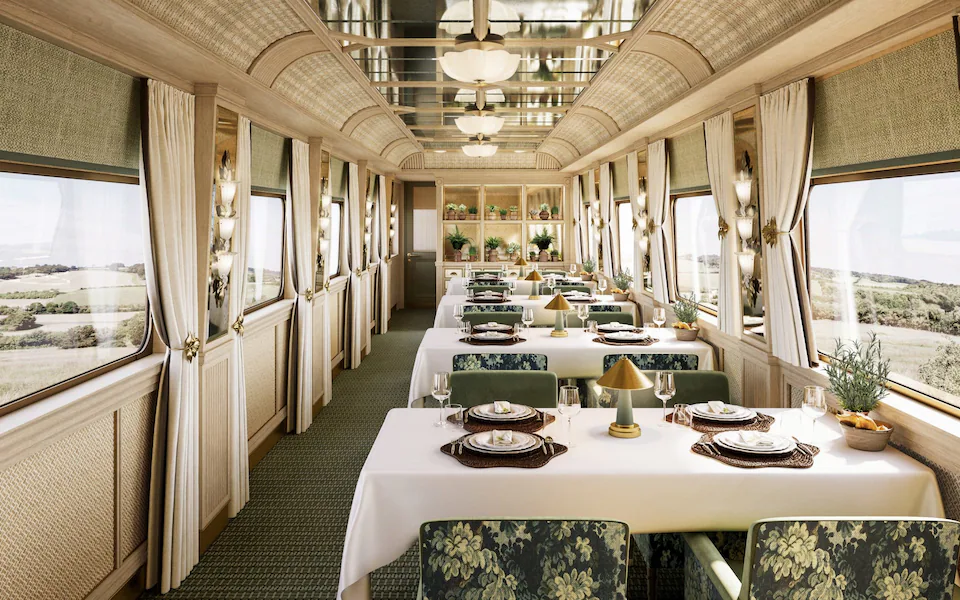
Belmond has emphasized that each issue has been investigated thoroughly and independently. The company reassures travelers that the Britannic Explorer underwent rigorous safety and performance testing before entering service and has already been formally registered in the UK’s Rolling Stock Library.
A spokesperson confirmed that all affected guests have received full refunds, complimentary future journeys, and expense coverage. The train remains out of service while the latest fault undergoes investigation.
The Britannic Explorer was envisioned as more than just a train; it was designed to elevate domestic rail tourism into the league of world-class luxury experiences. For many, it symbolized the growing appetite for immersive, slow travel—a chance to pair fine dining, curated activities, and scenic landscapes with five-star accommodation on rails.
Its troubled launch highlights a deeper reality: the challenge of balancing heritage-inspired luxury with modern engineering requirements. Unlike historic trains refurbished for nostalgic journeys, the Britannic Explorer was supposed to offer a seamless blend of tradition and innovation. Instead, the execution has so far leaned too heavily toward aspiration without matching reliability.
Belmond insists the train will return to service soon, but no firm date has been announced. With competition from other luxury experiences—from boutique hotels in the Lake District to curated private tours in Cornwall—the company will need more than promises to regain traveler confidence.
Travel insiders suggest that transparent communication, improved technical oversight, and consistent delivery of luxury standards will be crucial for the Britannic Explorer to shake off its unlucky start.
The Britannic Explorer still holds promise. Its design, routes, and concept tap into the global appetite for experiential, luxury rail journeys. But unless Belmond can quickly resolve its technical issues and restore faith in the experience, Britain’s newest train risks becoming remembered not for its elegance, but for its missteps.
Luxury travel in 2025 continues to redefine itself, moving away from simple indulgence toward experiences that nurture body, mind, and spirit. At the forefront of this transformation is Aman’s visionary lifestyle brand, Janu, which is preparing to make its debut in the Americas with the highly anticipated Janu Turks and Caicos. Scheduled to open on the pristine northwest coast of Providenciales, this groundbreaking resort will set a new benchmark for Caribbean luxury wellness retreats.
Unlike conventional resorts, Janu blends community-driven social spaces, next-generation wellness facilities, and immersive natural experiences, creating a destination where human connection and personal rejuvenation thrive in harmony.
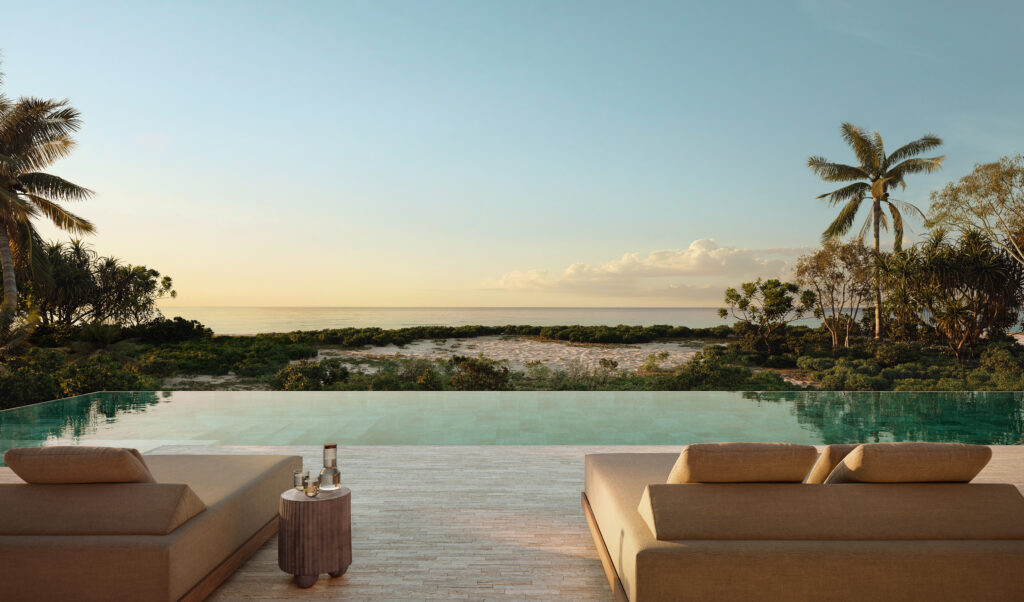
The Caribbean has long been a magnet for sunseekers, honeymooners, and luxury travelers, but Janu’s entry marks a shift in the region’s hospitality landscape. Set within a sprawling 1,800-acre nature reserve, Janu Turks and Caicos is more than just a resort—it’s an eco-conscious sanctuary that protects rare ecosystems while offering guests unparalleled access to white-sand beaches, hidden coves, and unspoiled natural beauty.
Providenciales, the most developed island in Turks and Caicos, was chosen strategically. With its international airport, turquoise waters, and reputation as one of the Caribbean’s most exclusive destinations, it provides the perfect setting for Janu’s dynamic lifestyle experiences.
One of the standout features of Janu Turks and Caicos is its innovative wellness offering, designed to go far beyond the typical Caribbean spa. Guests will find:
This holistic approach reflects Janu’s belief that wellness should be immersive, social, and future-focused, combining cutting-edge therapies with the restorative power of nature.
Janu, meaning “soul” in Sanskrit, places human connection at the core of its philosophy. Unlike traditional luxury resorts that emphasize exclusivity and solitude, Janu encourages meaningful interactions between guests through shared activities, lively communal spaces, and curated events.
Whether it’s dining at the beach club’s multiple culinary venues, taking part in wellness workshops, or joining cultural experiences inspired by Caribbean traditions, Janu Turks and Caicos aims to create a sense of playful community without compromising privacy or sophistication.
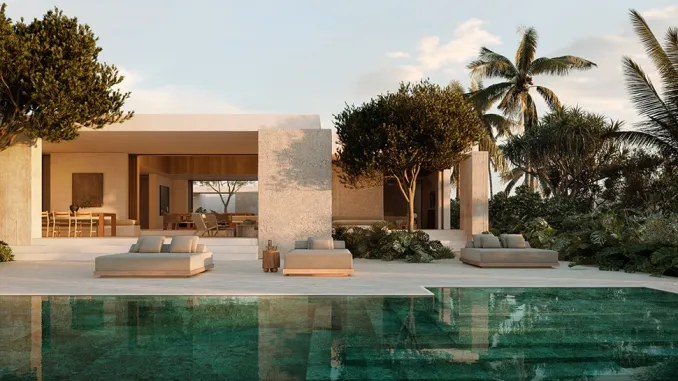
The development will not only feature a resort but also a collection of exclusive Janu Residences. These beachfront homes, designed for seamless indoor-outdoor living, cater to affluent travelers seeking both investment opportunities and private sanctuaries within the Caribbean.
Each residence is carefully positioned to maximize oceanfront views and lush jungle surroundings, blending natural beauty with modern architecture. Owners will enjoy full access to Janu’s wellness facilities, concierge services, and vibrant lifestyle programming, ensuring an elevated standard of living year-round.
Janu Turks and Caicos represents a pivotal milestone in Aman Group’s expansion strategy. While Aman has built its reputation on intimate, ultra-luxury retreats across Asia, Europe, and the Middle East, Janu was conceived as a more socially vibrant counterpart to the Aman experience.
Currently, Janu operates in four destinations worldwide, with Turks and Caicos becoming the fifth. Future Janu properties are already in development in Dubai, Diriyah, and AlUla, signaling the brand’s ambition to redefine luxury hospitality in some of the world’s most exciting destinations.
According to Vlad Doronin, Chairman and CEO of Aman Group:
“Turks and Caicos is an unrivaled destination in the Caribbean. It perfectly embodies Janu’s mission to create dynamic lifestyle experiences and foster genuine human connection. This property will immerse guests in the vibrant energy of the islands while introducing a new era of purposeful travel.”
The launch of Janu Turks and Caicos reflects broader trends shaping global travel in 2025:
Guests visiting Janu Turks and Caicos will be able to experience:
For those accustomed to Aman’s ultra-private retreats, Janu will provide a refreshing alternative: luxury with soul, connection, and energy.
With 12 new Janu destinations in the pipeline, the brand is poised to become a dominant player in the global hospitality space. Turks and Caicos, however, holds special significance as the brand’s gateway to the Americas. By blending high-end design, forward-thinking wellness, and an ethos of community, Janu Turks and Caicos may well redefine what travelers expect from Caribbean luxury resorts in the years to come.
This is more than a resort opening—it’s a statement that the future of travel lies not just in where people go, but in how they connect, rejuvenate, and live while they are there.
Saudi Arabia is in the midst of a grand transformation, one that is repositioning the nation as a global leader in luxury travel. This shift goes beyond simply building grand resorts; it is a thoughtful and intentional process of crafting unique experiences that are deeply rooted in the kingdom’s rich natural and cultural heritage. From AI-inspired futuristic islands that reflect the sky to villas seamlessly integrated into ancient desert rock, Saudi Arabia’s hospitality landscape is being redefined.
For those planning a luxurious long weekend getaway, the options are as extraordinary as the country itself. The following five hotels represent the pinnacle of this new era of travel, each offering a distinct and unforgettable journey.
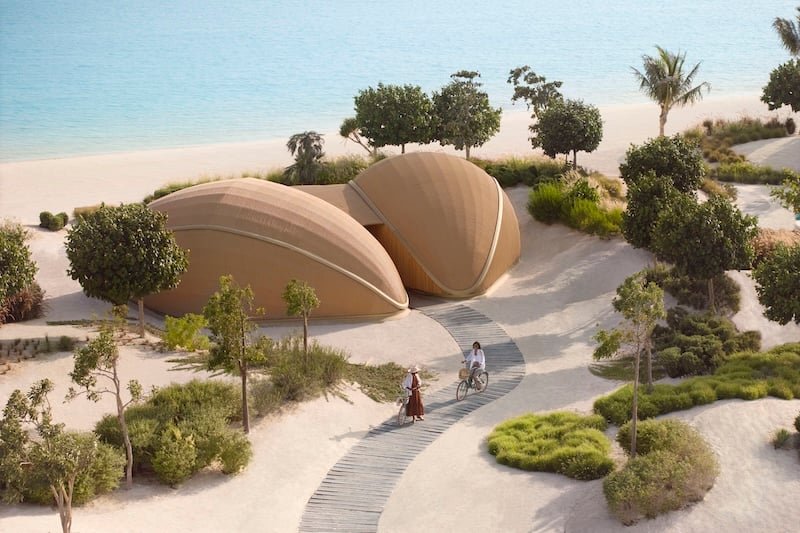
As the first Ritz-Carlton Reserve in the Middle East, Nujuma is a testament to understated luxury and hyper-personalized service. Located on Ummahat Island, the resort’s 65 villas are designed to harmonize with their surroundings. The architecture features shell-like curves and a muted color palette, allowing the structures to seemingly disappear into the breathtaking landscape of sand and sea. This is a place where the guest experience is deliberately unhurried, encouraging a deep connection with the environment.
A stay here is an invitation to explore. Guests can glide through vibrant coral reefs on guided dives, immersing themselves in the Red Sea’s rich marine life. For a more serene experience, the private decks of the villas offer an unparalleled opportunity for stargazing, far from the light pollution of cities. Nujuma also provides a rich cultural immersion through its art and cuisine, ensuring a stay that is not just luxurious, but also meaningful and memorable.
Shebara Resort is an architectural marvel that seems to defy reality. A scattering of polished stainless-steel orbs float just above the sea on a remote Red Sea island. By day, these futuristic villas reflect the sky and sea, blending seamlessly into the horizon. At sunset, they flicker with the golden and pink hues of the setting sun, creating a mesmerizing visual spectacle. The design, by the acclaimed Killa Design (the studio behind Dubai’s Museum of the Future), is a bold statement of future-forward luxury.
Inside, the villas, with interiors by Toronto-based Paolo Ferrari, evoke the feeling of stepping onto a private yacht. Curved leather walls and sculptural fittings create a sleek, sophisticated space. What truly sets Shebara apart, however, is its commitment to sustainability. The resort’s infrastructure is solar-powered, and its zero-impact construction and marine-sensitive engineering ensure that the fragile reef below remains untouched. Shebara is a perfect example of how eco-luxury can be both innovative and deeply respectful of its natural surroundings.
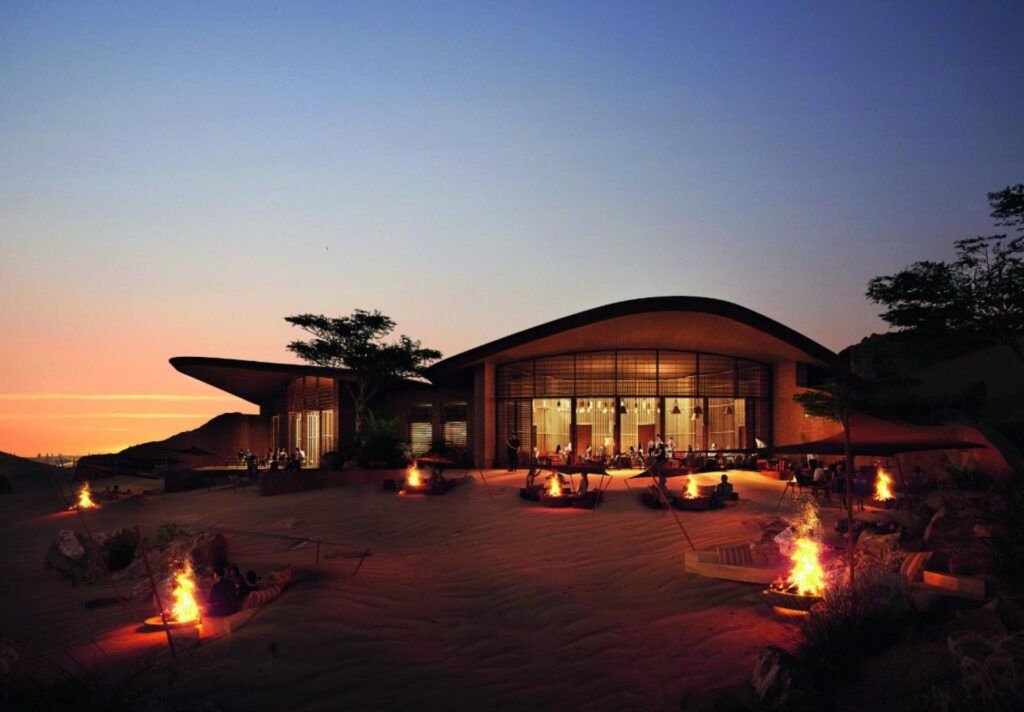
For those who find solace in the desert, Six Senses Southern Dunes offers a grounding contrast to the Red Sea’s aquatic allure. Tucked into a sweep of golden dunes against the backdrop of the Hijaz Mountains, this wellness-first retreat is a haven for desert dreamers. The architecture, with its organic forms and intelligent cooling systems, is designed to be in touch with the natural beauty of the landscape. Every angle offers a breathtaking view of the vast, silent desert.
A stay at a Six Senses property is a journey toward wellness, and Southern Dunes is no exception. Guests can indulge in an Ayurvedic detox or simply enjoy a long, quiet lunch under the desert sun. The experience is designed to be intuitive, immersive, and deeply still, inviting a sense of calm and rejuvenation that is often hard to find in a fast-paced world.
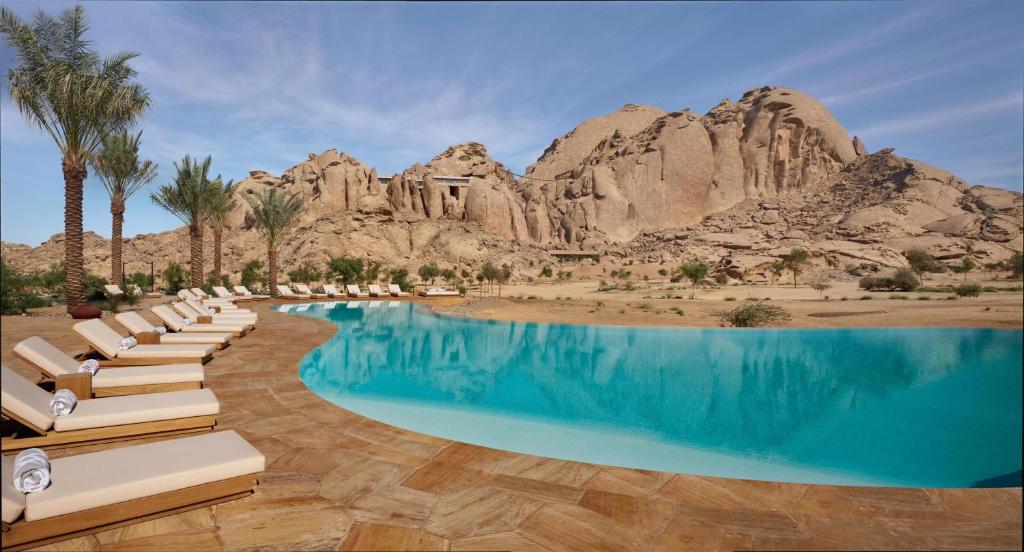
Desert Rock Resort offers an extraordinary experience of living in harmony with nature. Nestled within ancient stone formations and mountain valleys, the villas are built directly into the cliffs, a true testament to seamless integration with the terrain. This creates the feeling of a luxurious cave dwelling with an otherworldly view. The resort’s design honors the raw, magnetic power of the landscape, making it a truly spiritual and unforgettable place.
Adventures abound at Desert Rock. From guided stargazing sessions that reveal a sky full of constellations to invigorating hiking trails through ancient valleys, the resort provides a deep connection to the earth. Signature spa rituals and other bespoke experiences are crafted to feel personal and restorative, allowing guests to fully immerse themselves in the raw beauty of their surroundings.
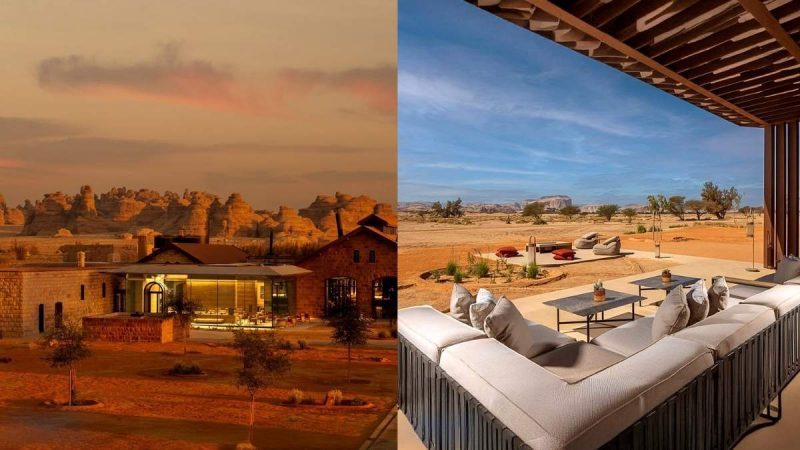
As the only hotel located within the Hegra UNESCO World Heritage Site, The Chedi Hegra offers a cinematic and mindful experience of AlUla’s rare beauty. The property’s minimalist elegance is backed by towering sandstone cliffs and ancient rock formations, creating a breathtaking and historic setting. A stay here is not just about luxury; it is about immersing oneself in centuries of history and culture.
The Chedi Hegra is known for its curated retreats rooted in ancient rituals. Guests can participate in desert yoga sessions at sunrise, meditate under the moonlit sky, or take guided walks through landscapes that have witnessed civilizations rise and fall. The resort offers a unique opportunity to connect with a place of profound historical and spiritual significance, blending a sense of timelessness with modern comfort.
Beyond the Terminal: How Zayed International Airport is Setting a New Standard for Luxury Travel
For decades, airports have been seen as a necessary but often stressful part of the travel experience. A place of transactions, long lines, and hurried movements. However, a new vision is taking hold, one where the airport itself becomes a destination. At the forefront of this transformation is Abu Dhabi’s Zayed International Airport, a landmark of modern infrastructure that is betting a billion dollars on the idea that passengers want to linger—and spend—in a space that feels more like a luxury resort than a transit hub.
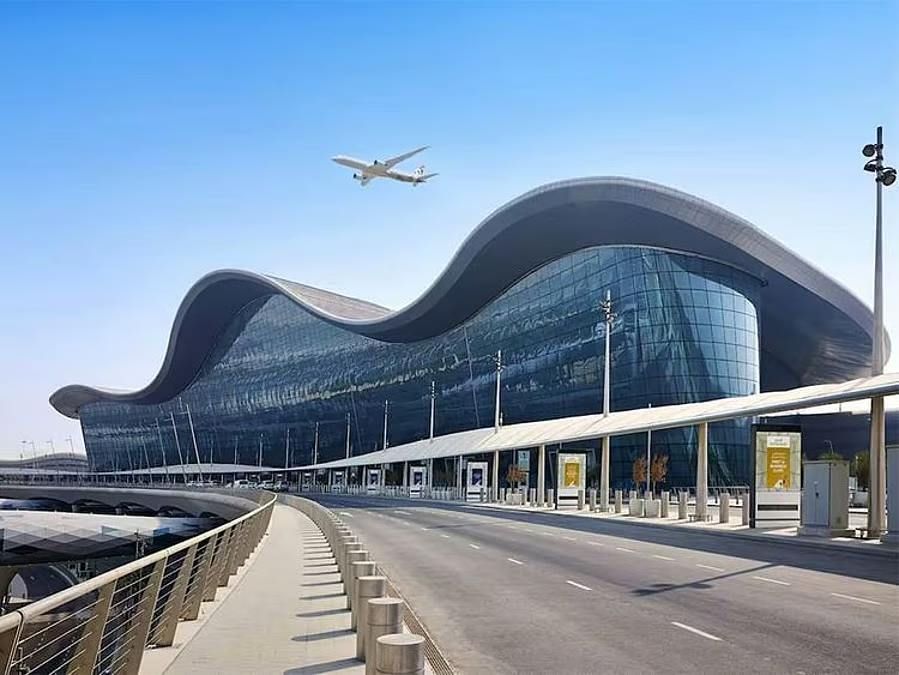
The architectural marvel of Zayed International Airport is immediately apparent. Soaring curved glass panels bathe the interior in natural light, creating an atmosphere of calm and sophistication. This isn’t by accident. The airport’s redesign, which opened just over a year ago, was a deliberate move to challenge the traditional airport model. The goal was to create an environment that reflects Abu Dhabi’s heritage of generosity and hospitality, a place where the journey begins the moment a traveler steps off the plane.
This hospitality-driven approach has paid off dramatically. The new terminal increased its retail footprint by an impressive 55 percent to 375,000 square feet, and the results have been nothing short of exceptional. Since the opening, the average traveler’s spending has more than doubled. This success is a testament to the airport’s understanding of the modern traveler and its commitment to offering a curated, high-end experience.
The airport is now home to a stunning array of 163 brands, including luxury boutiques like Hermès, Saint Laurent, and Gucci. It also features unique concepts like the world’s first airport Muji store and the award-winning sneaker boutique Presented By. This thoughtful mix of global luxury and unique offerings is a key part of its appeal. The strategy has been so effective that in the first quarter of 2025, Zayed International Airport achieved a net promoter score of 75, placing it among the highest-rated airports globally.
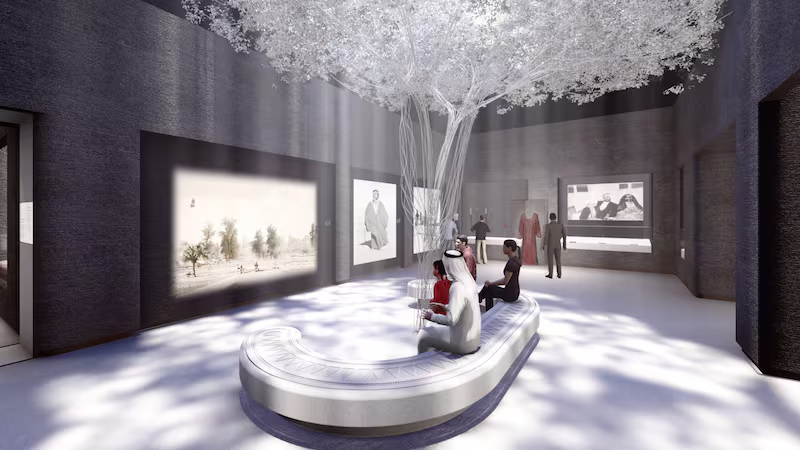
Zayed International Airport’s success is a direct reflection of Abu Dhabi’s broader ambition to establish itself as a global destination and cultural capital. The city is making massive investments in world-class attractions, from the future Zayed National Museum to the highly anticipated Disney World Abu Dhabi, announced in May. These new landmarks join existing cultural icons like the Louvre Abu Dhabi, all working in concert to draw in a new kind of traveler.

According to Elena Sorlini, managing director and CEO of Abu Dhabi Airports, this vision is central to the airport’s role. “We’re not just the gateway to Abu Dhabi,” Sorlini said. “We are the brand introduction. That means we must mirror the city’s sophistication from the moment someone steps off the plane.”
A unique metric highlights this success: while most Middle Eastern hubs see a majority of transit passengers, Zayed International Airport has a rare 50/50 split between transit and “point-to-point” passengers—those who are coming specifically to stay in Abu Dhabi. This high proportion of direct tourists creates ideal conditions for luxury retail, as visitors arrive “in holiday mode” and are ready to spend.
Beyond its striking design and luxury retail, the airport has invested heavily in technology to create a “seamless travel” experience. The ultimate goal, as Sorlini describes it, is to create a journey where passengers no longer need to use any physical documents. This has been made possible through the deployment of multi-touchpoint facial recognition technology, which allows for a curb-to-gate journey in as little as 12 minutes. This focus on efficiency proves that speed and comfort can coexist, enhancing the luxury experience rather than detracting from it. The airport also boasts the only U.S. Customs pre-clearance facility in the Middle East and Asia, a convenience that further streamlines the travel process for a key demographic of high-spending passengers.
The culinary offerings have also been carefully curated to elevate the travel experience. The airport’s dining portfolio includes a variety of premium concepts, such as Todd English’s first-ever airport restaurant, along with other high-end choices like Taste of India and Camden Food Co., as well as local artisanal cafés. This diverse selection ensures that every aspect of the passenger’s journey is a premium one.
The success of Zayed International Airport is built on a deep understanding of evolving consumer behavior. Elena Sorlini notes that the passenger profile is constantly changing, with the average age of travelers being “quite young.” To cater to this dynamic demographic, the airport leverages activations and pop-up experiences, which have been shown to drive a dramatic increase in spending.
Looking ahead, the airport is exploring new strategies to capture even more revenue, particularly from business-class passengers who typically spend their time in airline lounges. Concepts like personal shopping services and e-commerce integration are being explored to bring the luxury retail experience directly to these high-value guests.
Zayed International Airport represents a paradigm shift in the travel industry. It is a powerful example of how a strategic, hospitality-driven approach to infrastructure can transform a functional space into a luxury destination. It is a bold statement that the future of travel isn’t just about the destination, but also about the journey itself.
The world of luxury watchmaking is often defined by tradition, but every so often, a brand dares to challenge the status quo. In 1998, Bulgari did just that with the launch of the Bulgari Aluminium, a watch that boldly combined unconventional materials—aluminium and rubber—to create a new kind of luxury. Relaunched in 2020 with a mechanical heart, the collection has remained a symbol of modern elegance and a nod to the brand’s Roman spirit. Now, in 2025, Bulgari is once again pushing creative boundaries by introducing a new, “living” material to this iconic line: bronze.
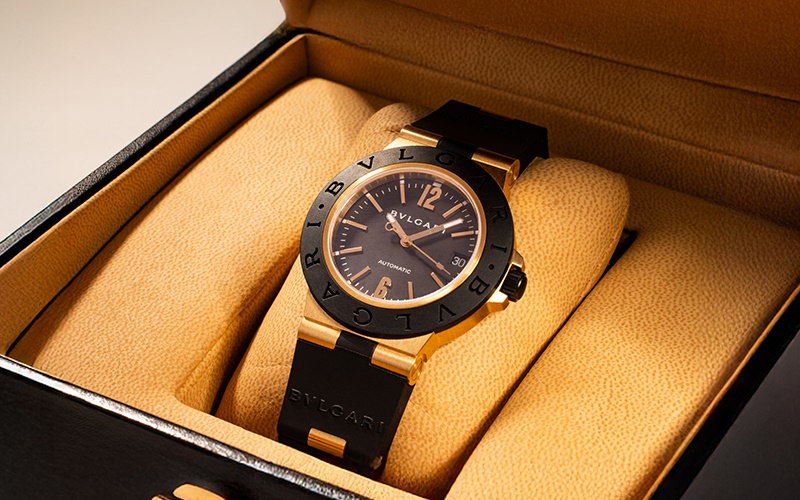
This new chapter, dubbed the Bvlgari Bronzo, is a dialogue between the timeless design of the Aluminium collection and a material with a history as old as civilization itself. Unlike other metals, bronze develops a unique patina over time, a surface that tells the story of the wearer’s life and travels. This characteristic makes each timepiece truly one-of-a-kind, an evolving piece of art on the wrist.
The addition of bronze is more than just a material update; it is a creative evolution. As Jonathan Birnbaum, Managing Director of Bulgari Watches, notes, “The essence of the Bulgari Bulgari lies in the combination of materials.” He highlights that the new bronze alloy is not only resilient but also “alive,” with its warm, masculine hue evolving over time to create a unique and personal piece.
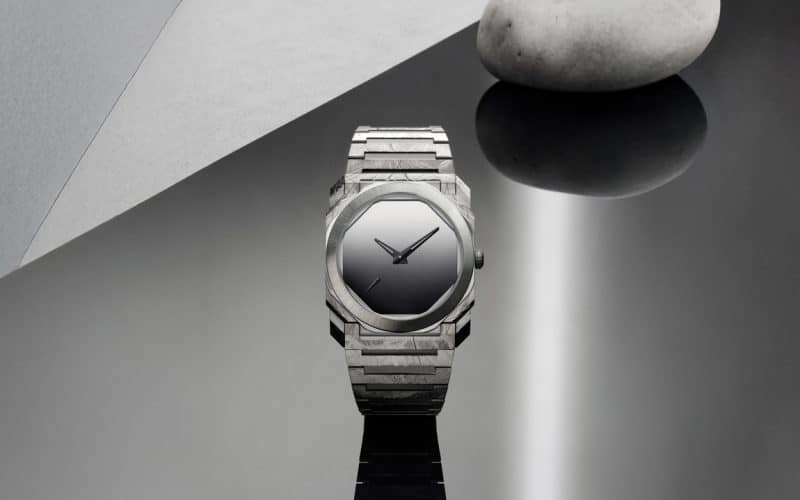
The Bvlgari Bronzo collection makes its debut in two striking interpretations: the GMT and the Chronograph. Both models embody a spirit of strength, sophistication, and a passion for travel, a perfect fit for a brand rooted in global influence.
In addition to the new Bronzo line, Bulgari also spotlighted its commitment to ultra-thin watchmaking with a retrospective of the Octo Finissimo collection, a series that has broken numerous records over the past decade. Within this context, the brand unveiled two new timepieces that demonstrate both technical audacity and a remarkable artistic vision.
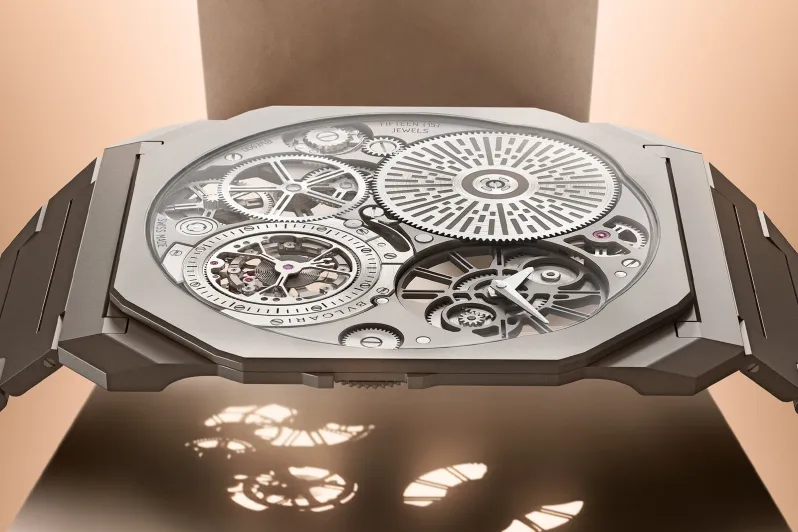
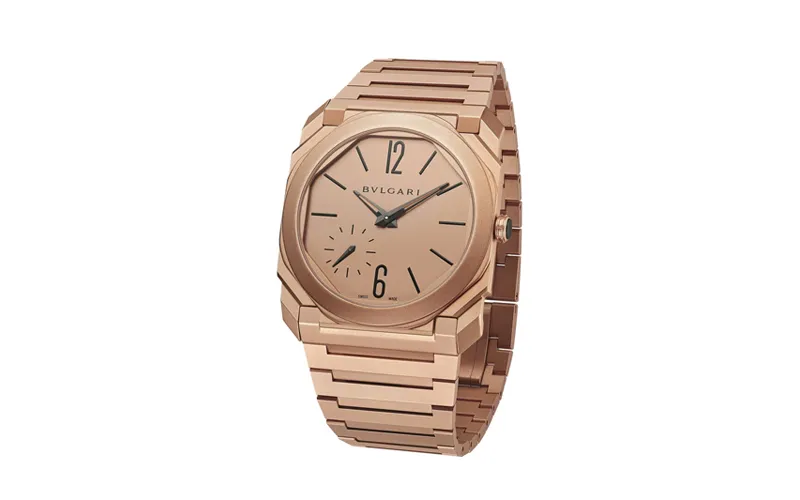
Bulgari’s latest releases at Geneva Watch Days 2025 are more than just new watches; they are a testament to a brand that continues to evolve without losing sight of its core identity. From the Bvlgari Bronzo and its celebration of a “living” material to the record-breaking and artistically daring Octo Finissimo models, Bulgari remains at the forefront of watchmaking, proving that true luxury is not about static perfection but about a dynamic blend of heritage, innovation, and personal connection.
Arese, Italy – June 24, 2025 – Few brands in the automotive world inspire as much passion, loyalty, and admiration as Alfa Romeo. This year, the legendary Italian marque proudly celebrated its 115th anniversary with a series of emotional tributes, innovative initiatives, and a landmark gathering at the Alfa Romeo Historical Museum in Arese.
Marking more than a century of design, performance, and Italian pride, the event reinforced Alfa Romeo’s unique position as not just a car manufacturer, but a cultural symbol of sportiness, innovation, and community.
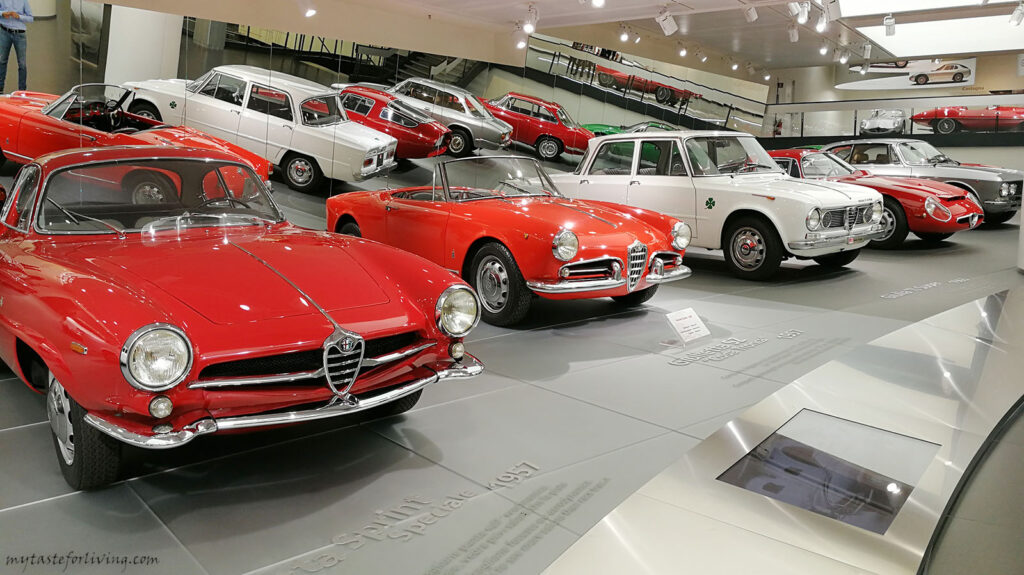
Since its founding in 1910, Alfa Romeo has created some of the most iconic cars in automotive history. From early racing triumphs to groundbreaking design and modern innovations, the brand has always been defined by a blend of technical mastery and emotional connection.
What sets Alfa Romeo apart is the deep, authentic relationship with its global fan base. The 115th anniversary reaffirmed this enduring connection, bringing together thousands of enthusiasts and over 300 official Alfa Romeo clubs from around the world to celebrate not just a brand, but a shared way of life.
To honor the milestone, Alfa Romeo released a special anniversary video, highlighting some of the brand’s most meaningful achievements in 2025. This moving narrative blends heritage with contemporary triumphs, showcasing how the brand continues to evolve while staying true to its Italian roots.
Key highlights from the film include:
Together, these moments showcase a brand in constant evolution, looking to the future while proudly celebrating its roots.
On June 22, 2025, the Alfa Romeo Historical Museum in Arese became the epicenter of global automotive passion. More than 1,300 guests and 350 Alfa Romeo vehicles gathered for an unforgettable program of activities.
Highlights of the event included:
The event also marked the 10th anniversary of the museum’s reopening, adding another layer of significance to the celebrations.
Complementing the physical event is the release of a 115th Anniversary interactive e-book. This digital publication chronicles the brand’s remarkable journey, from the first A.L.F.A. 24 HP in 1910 to the modern era of performance SUVs and electrified models.
The e-book features:
This digital archive not only celebrates the past but also projects Alfa Romeo’s vision for the future—where luxury, performance, and connectivity converge.
From Milan in 1910 to a global presence today, Alfa Romeo has remained synonymous with Italian style and driving passion. Its current lineup, including the Giulia, Stelvio, Tonale, and the highly anticipated 33 Stradale, carries forward the brand’s DNA of performance and elegance.
As part of the Stellantis portfolio, Alfa Romeo continues to blend heritage with innovation, offering vehicles equipped with hybrid powertrains, advanced connectivity, and state-of-the-art driver assistance systems—all while retaining the thrill that has defined Alfa Romeo for more than a century.

TcFrom exclusive books and global partnerships to digital tributes and fan gatherings, the brand continues to inspire generations of drivers and enthusiasts alike.
With its eyes set firmly on the future, Alfa Romeo proves that true icons never fade—they evolve, inspire, and lead, carrying forward a spirit of innovation that has defined the brand for over a century.
As the pace of modern life accelerates, the very nature of travel is evolving. For many, a trip is no longer just about ticking off famous landmarks or lounging on a beach. It’s about seeking deeper connections, embracing slower journeys, and finding meaning in new experiences. This shift is reshaping the global tourism landscape, with luxury travel advisors and industry leaders pointing toward destinations that offer more than just five-star service—they offer a chance to reconnect with nature, with family, and with oneself.
The annual ILTM North America conference, where the world’s top luxury travel advisors convene, has become a key barometer for these emerging trends. Conversations at this event often foreshadow where travelers will be heading next. The consensus is clear: the most desirable trips in 2026 are those that combine stunning natural beauty with authentic cultural immersion.
This comprehensive guide compiles insights from leading travel experts to reveal the most anticipated destinations and experiences for the year ahead.
According to Simon Mayle, the director of ILTM, the modern traveler is moving beyond the “five-star” standard to find something more profound. The rise of slow transport and destinations that blend nature, culture, and family connection are two major themes driving this change. The goal is to escape the digital grind and reconnect with the world in a more intentional way.
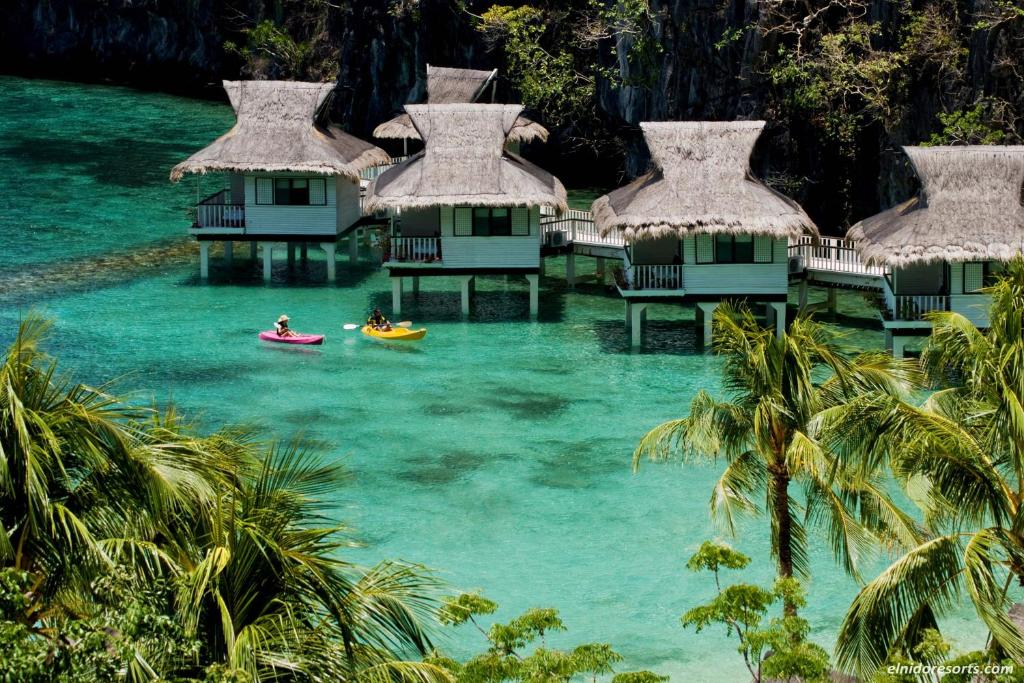
Mayle is particularly excited about Palawan, an archipelago he calls “one of the few places I’ve not been.” He highlights the unique blend of Catholic and indigenous cultures, along with the incredibly blue water and thousands of islands. The eco-minded El Nido Resorts on various islands are a top recommendation for travelers seeking a luxurious yet sustainable escape.

While Brazil has not been a traditional safari destination, that is changing rapidly. The Pantanal, a vast tropical wetland, is emerging as a new wildlife frontier, with ambitious conservation efforts leading to a growing leopard population. This offers travelers the opportunity to combine a vibrant urban cultural experience in Rio de Janeiro with a unique, conservation-focused safari.
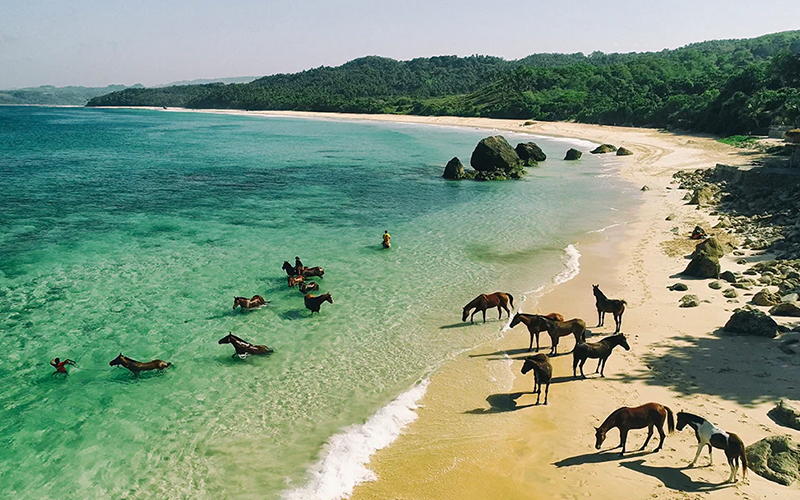
Far from the crowded shores of Bali, Sumba is a place of striking natural beauty and authentic, living culture. It offers a glimpse of Southeast Asia before mass tourism, with untouched coastlines and wild horses running along the beaches at sunset. Sumba’s indigenous community remains vibrant and active, providing a rare chance for genuine cultural immersion. For a truly unique experience in the region, sailing Indonesia aboard a handcrafted phinisi yacht like the Dunia Baru offers a luxurious and remote adventure.

New Zealand is experiencing a major renaissance in luxury travel. In Queenstown, the new Roki Collection is set to elevate the destination’s appeal. The property’s design emphasizes astronomy, nature, and architecture, bringing a new level of sophistication to one of the world’s most dramatic landscapes.
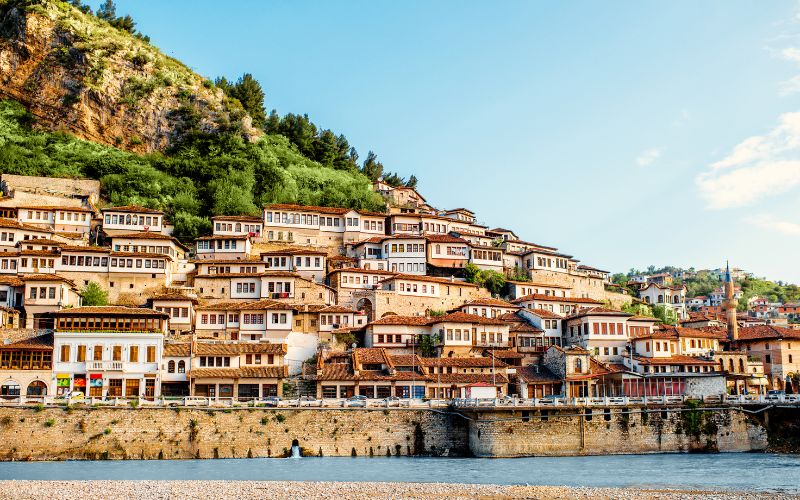
Albania is stepping into the spotlight as Europe’s newest summer hotspot. Its position on the Adriatic Sea, combined with beautiful beaches, historic towns like Berat, and a welcoming culture, make it a compelling alternative to more crowded Mediterranean destinations. Beaches like Ksamil, often called the “Maldives of Europe,” are a major draw, with prices that remain more accessible than those in Greece or Croatia.
Georgia Schley Ritchie, an Atlanta-based luxury travel advisor, notes a clear shift toward “coolcations”—destinations with cooler climates for summer travel. She also sees a growing interest in underexplored corners of classic destinations.
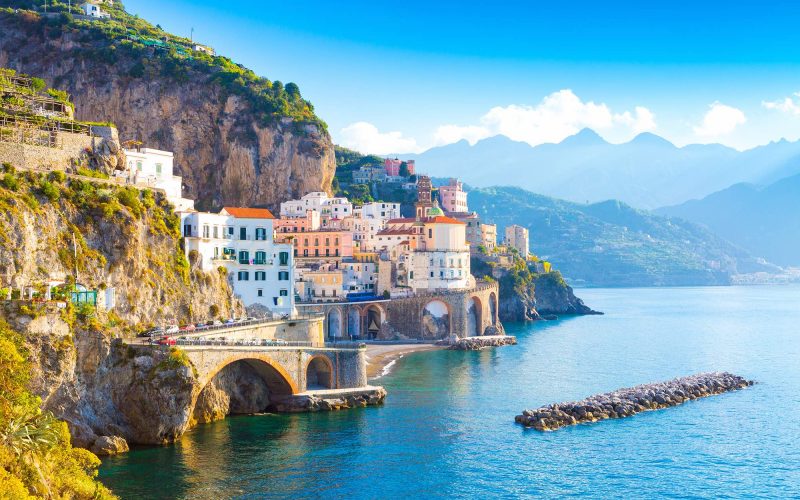
Sicily is more than just its “White Lotus” fame. With ancient ruins, dramatic coastlines, and a burgeoning food and wine scene, the island offers immense variety. Ritchie recommends Villa Igiea, a Rocco Forte property in Palermo, as a prime example of the kind of high-end experiences available. She anticipates growing interest in Sicily’s western coast as more luxury options become available.

For safari enthusiasts who have already visited Botswana or Tanzania, Namibia offers a fresh, distinct perspective. The country’s stark, cinematic landscapes, massive sand dunes, and unique desert-adapted elephants and lions create a safari experience unlike any other.

Gorilla trekking in Rwanda continues to be a top bucket-list experience, with demand showing no signs of slowing down. Similarly, Zimbabwe is re-emerging as a premier safari destination. Ritchie praises properties like Fothergill Island at Lake Kariba for their six-star service, combining a classic safari with a visit to the awe-inspiring Victoria Falls.
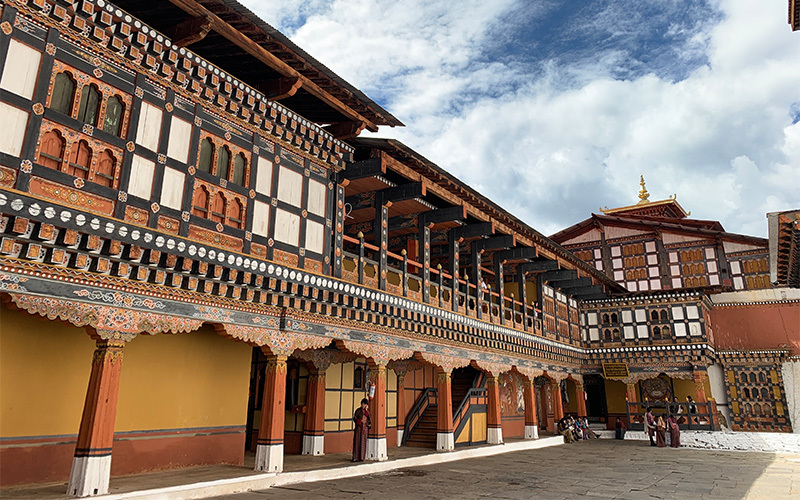
Bhutan, often called the “last Shangri-La,” is a destination that left a lasting impression. Its commitment to limited tourism ensures it remains authentic and uncrowded. The country offers a fascinating culture, beautiful landscapes, and a serene atmosphere, making it a must-add to any traveler’s list.
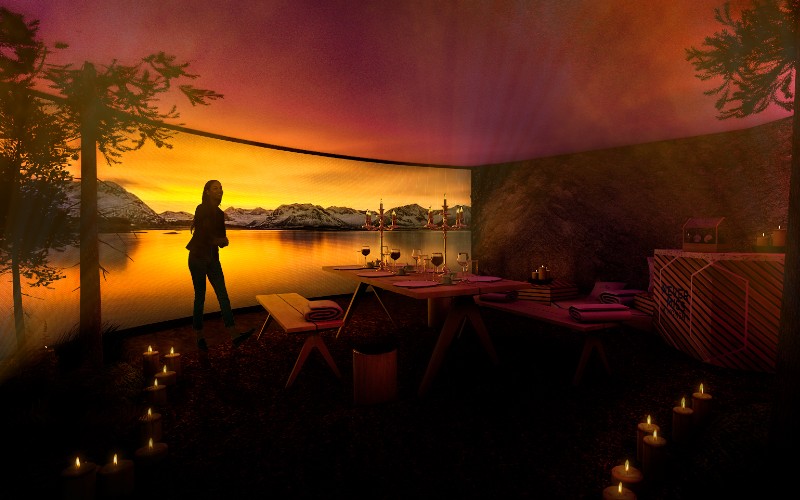
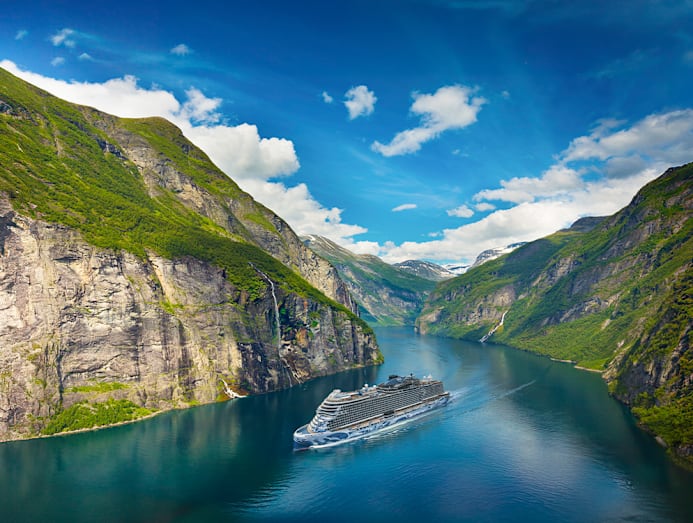
Cooler climates are a growing trend, with destinations like Iceland, Norway, and Scotland becoming popular summer escapes from the heat. Small-ship cruises in these regions are also on the rise, offering an intimate and luxurious way to experience the dramatic fjords and landscapes.
David Rappel, a Miami-based luxury travel advisor, specializes in creating highly customized, hands-on itineraries. He sees a major trend in the reinvention of classic urban hotels and the increasing demand for private, exclusive experiences.

New York is seeing a revival in its luxury hotel scene with the reopening of two major icons. The legendary Waldorf Astoria New York is back, transformed with a smaller number of rooms to create a more spacious and exclusive feel. Additionally, the new Faena New York is bringing its signature blend of art and culture to Manhattan’s luxury scene, promising a bold and artistic experience.
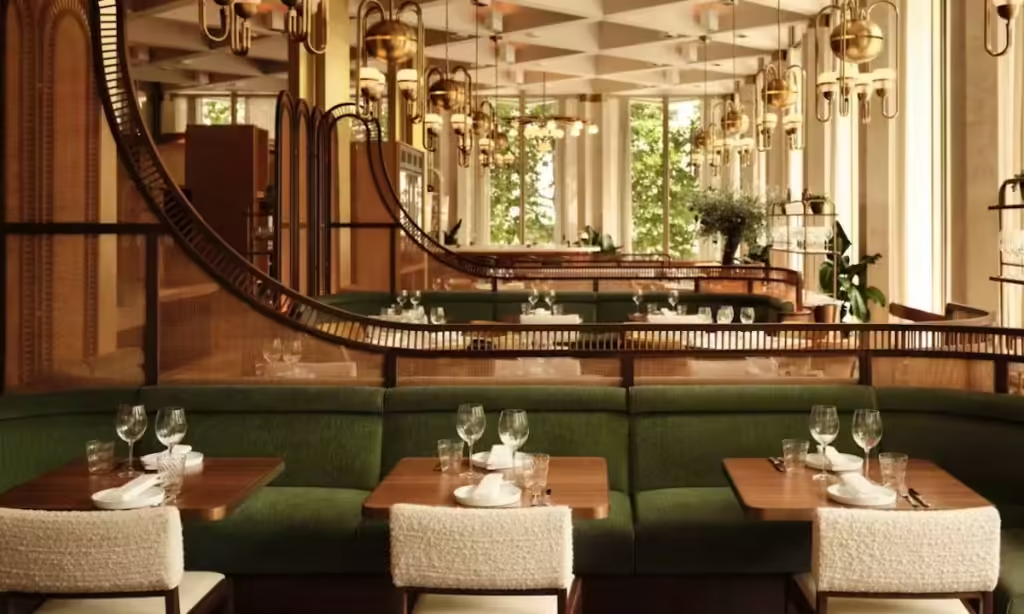
London continues to be a favorite for both business and leisure travel. Two highly anticipated openings are on the horizon. The Chancery Rosewood, a transformation of the former U.S. Embassy on Grosvenor Square, is expected to bring a new level of hospitality to the city. Meanwhile, Six Senses London will introduce its renowned wellness-focused brand to the U.K., featuring a three-floor spa and a large indoor pool.

In Costa Rica, the new Nekajui, a Ritz-Carlton Reserve is set to elevate the country’s luxury offerings. Located within the protected Papagayo Peninsula, the property will focus on sustainability and cultural immersion. With just 36 villas and 14 estate homes, it promises an exclusive, intimate connection with nature.
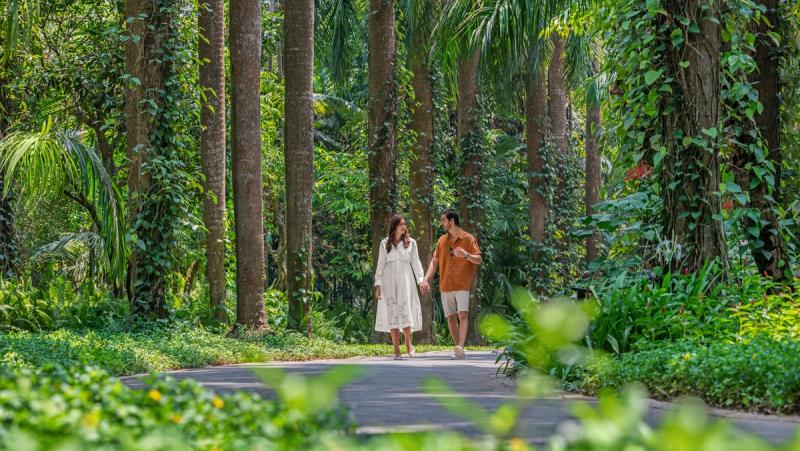
Jason C. Miller, founder of the travel company Accomplished, is most excited about how urban luxury hotels are evolving. He points to a new kind of city stay that integrates wellness, heritage, and cutting-edge design, creating experiences that feel as restorative as a remote resort.
The expansion of the wellness-focused brand Six Senses into European capitals like London, Rome, and Milan is a significant trend. These new urban properties aim to provide a sanctuary in the heart of the action, allowing travelers to prioritize their well-being without sacrificing a prime location.
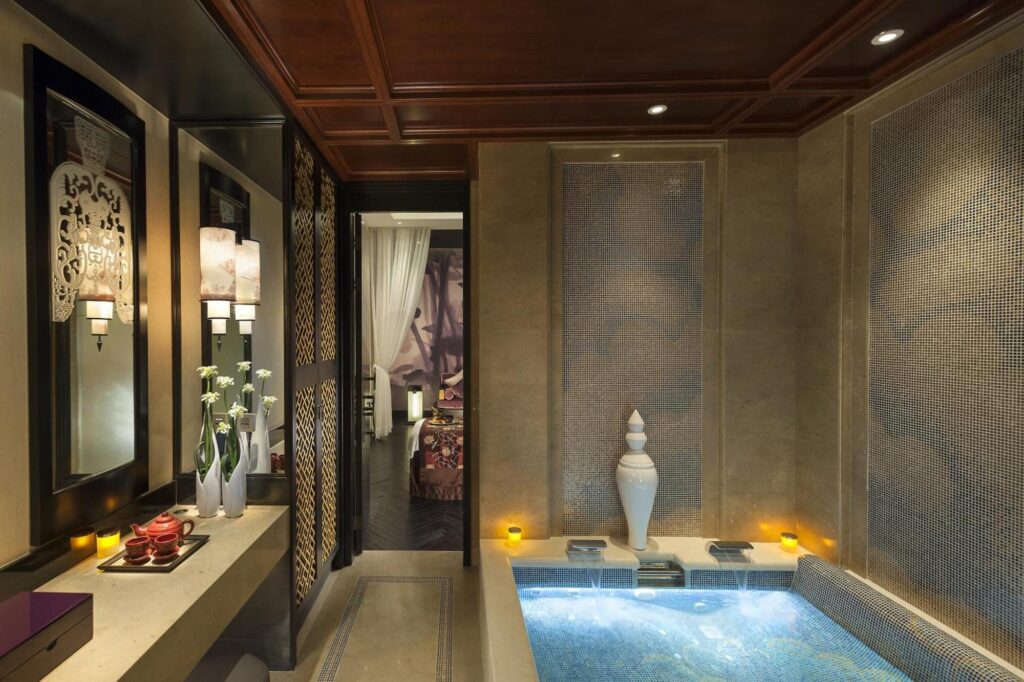
Vienna is having a moment, and the new Mandarin Oriental is set to become a major draw. Housed in a beautifully transformed 19th-century courthouse, it is expected to be a perfect blend of Viennese heritage and contemporary sophistication.
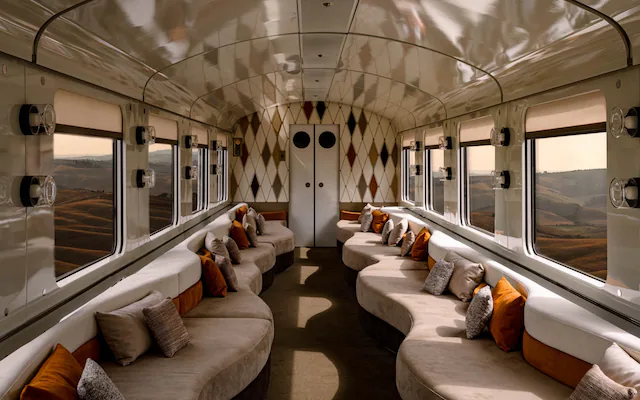
The iconic Orient Express brand is redefining luxury travel by expanding its offerings across land and sea. The new La Dolce Vita luxury train will revive the golden age of rail travel across Italy, while new hotels in Rome and Venice will extend the brand’s aesthetic. The upcoming Orient Express yachts will also bring five-star service to the water, offering a new, multi-modal luxury experience.
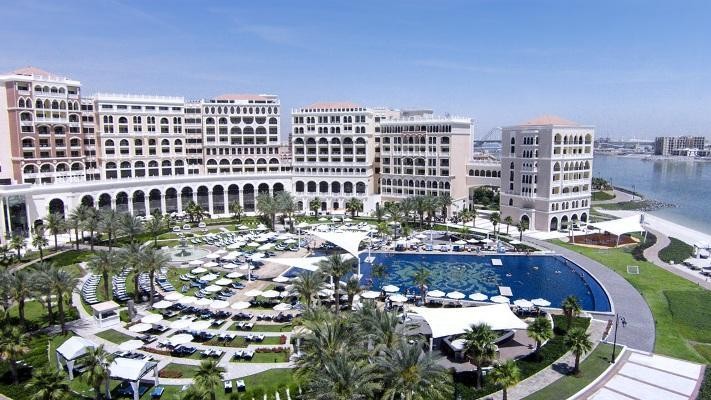
The entry of luxury hotel brands like Ritz-Carlton and Four Seasons into the yachting world is set to transform the cruise industry. These luxury yachts are designed to feel like a floating five-star hotel, appealing to a younger demographic and travelers who traditionally avoid cruises.
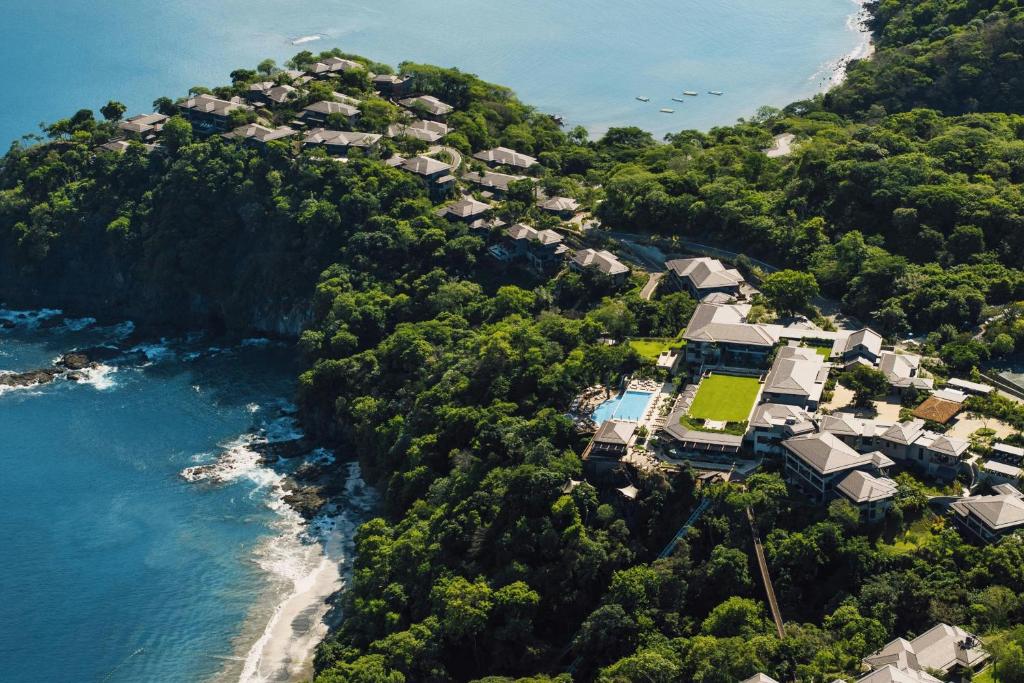
The Papagayo Peninsula welcomes Nekajui, a Ritz-Carlton Reserve, a sustainable resort blending cultural immersion with luxury. With only a handful of villas, it emphasizes exclusivity and ecological awareness.

The Black Desert Resort near Zion National Park is redefining American desert luxury, combining golf, wellness, and outdoor adventure against dramatic red-rock backdrops.
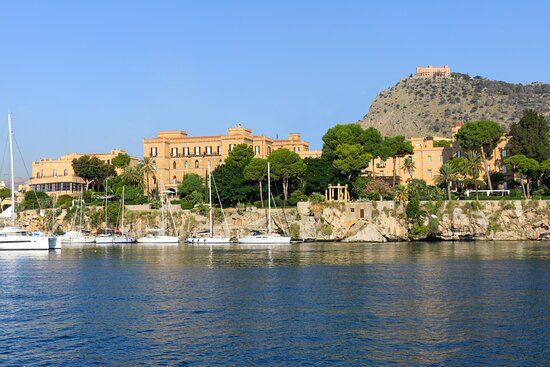
Following its “White Lotus” fame, Sicily remains irresistible with its Greek ruins, rugged coastlines, and evolving food-and-wine culture. Hotels like Villa Igiea in Palermo set new luxury standards.
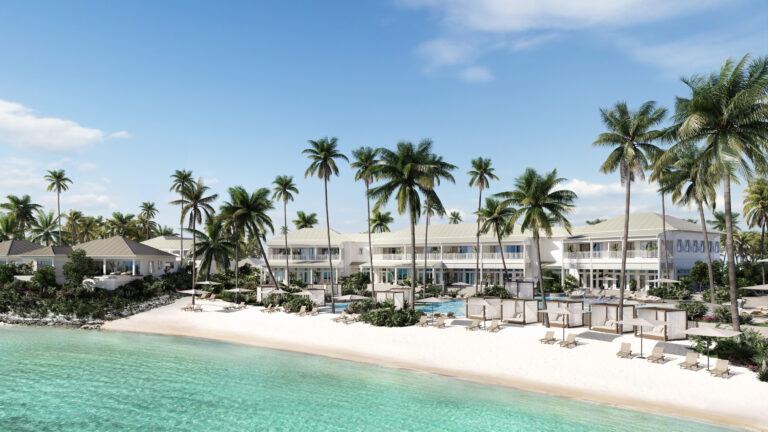
An hour’s flight from Florida, the Abacos combine turquoise waters and private-island resorts like Montage Cay, bringing understated luxury to one of the Caribbean’s most idyllic regions.

Reviving the golden age of train travel, the La Dolce Vita Orient Express will journey across Italy, combining retro glamour with modern luxury. Complementary hotels in Rome and Venice, plus luxury yachts, will expand the brand’s multi-modal travel experiences.
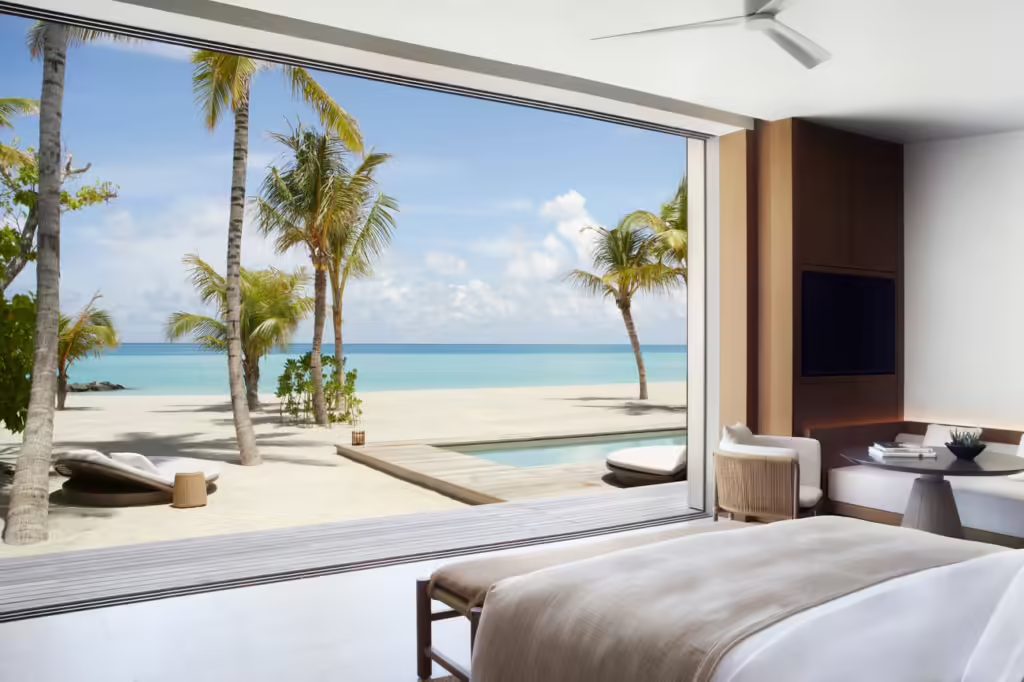
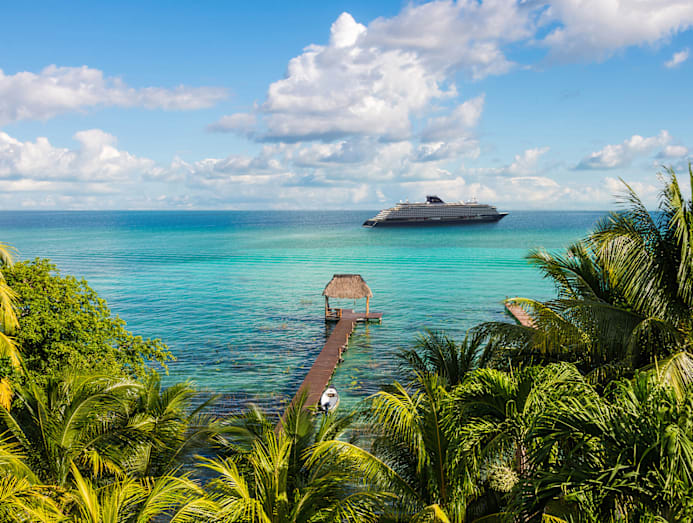
Explora Journeys, often compared to a “Four Seasons on the water,” is setting new standards in cruising with refined design, curated dining, and intimate voyages.
Luxury hotel giants are setting sail with their own branded yachts, merging the comforts of five-star hospitality with the freedom of ocean exploration.
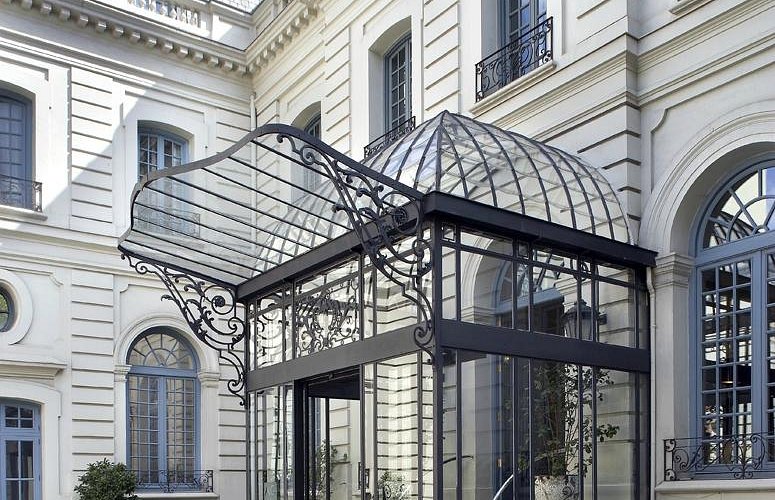
Often overshadowed by Barcelona, Madrid is stepping into the spotlight with new luxury hotels like the Santo Mauro Palace, redesigned by Lorenzo Castillo. Coupled with world-class museums and an evolving food scene, Madrid offers the perfect blend of history and modern elegance.
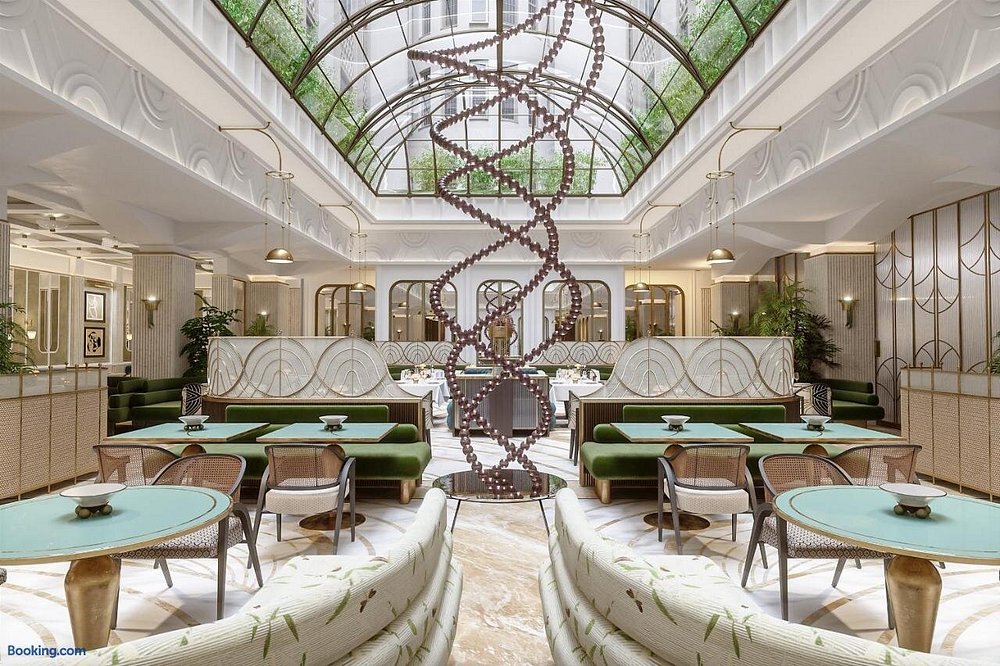
The new Mandarin Oriental Vienna, set in a 19th-century courthouse, merges Viennese heritage with modern sophistication. Vienna’s cultural resurgence makes it one of Europe’s must-visit cities.
As the world continues to open up, the desire for travel that is not only luxurious but also meaningful and personal will continue to grow. The destinations and experiences highlighted by these experts are more than just a list of places to go; they are a reflection of a new era in travel, one that values connection, purpose, and unforgettable experiences over mere opulence.
Gaydon, UK – July 10, 2025 – Two of Britain’s most celebrated names in luxury have joined forces. ELEMIS, the award-winning premium skincare brand, has officially become the Global Skincare Partner of Aston Martin, marking the beginning of a multi-year international collaboration that redefines how wellness and performance coexist in modern luxury.

This landmark alliance connects heritage craftsmanship with contemporary innovation, aligning the skincare leader with one of the world’s most prestigious high-performance automotive marques. Together, the brands are set to deliver exclusive co-branded experiences, luxury activations, and bespoke product collaborations designed for discerning audiences worldwide.
At its core, this partnership highlights shared values: precision, quality, heritage, and innovation. Both ELEMIS and Aston Martin are global ambassadors of British excellence, with legacies rooted in uncompromising performance and meticulous craftsmanship.

The collaboration will bring the ELEMIS experience directly into Aston Martin’s lifestyle universe. Guests attending flagship automotive showcases and brand events will have access to premium skincare consultations, treatments, and curated product moments, ensuring that wellness and indulgence are seamlessly integrated into the luxury automotive lifestyle.
This alignment reflects a broader shift in luxury culture—from ownership of products to immersive, multi-sensory experiences that speak to wellness, performance, and modern sophistication.
The first public unveiling of the collaboration takes place at the Goodwood Festival of Speed (10–13 July 2025). At this iconic celebration of British motorsport, ELEMIS will curate an exclusive Skin Spa retreat inside Aston Martin’s official Hospitality Lounge.

VIPs, media, and invited guests will be invited to indulge in express facials, advanced skin diagnostics, and personalized consultations—a welcome pause of rejuvenation amid the high-adrenaline atmosphere of Goodwood’s legendary hill climb.
Adding to the immersive experience, the ELEMIS Skin Spa Airstream, which recently impressed audiences at the British Grand Prix, will make its Goodwood appearance. The custom-built mobile spa is designed as a luxury sanctuary on wheels, offering a curated edit of the brand’s Pro-Collagen bestsellers and performance-driven skincare innovations.
Following its Goodwood debut, the partnership will travel across the Atlantic to Pebble Beach Concours d’Elegance in August 2025. At this prestigious automotive showcase in California, ELEMIS will launch a Pop-Up Spa at The Aston Martin House, offering international guests a fusion of high-performance automotive artistry and restorative self-care.
Future activations across global automotive events and luxury destinations will continue to strengthen the partnership, each one designed to reflect the intersection of speed, beauty, and lifestyle excellence.
Sean Harrington, Co-Founder & CEO of ELEMIS, described the partnership as a natural evolution of the brand’s mission:
“At ELEMIS, the pursuit of excellence has always been anchored in innovation, craftsmanship, and care—values we proudly share with Aston Martin. This partnership allows us to craft immersive, sensorial experiences that redefine modern luxury, bringing together high-performance skincare and high-performance engineering for a global audience.”
Stefano Saporetti, Director of Brand Diversification at Aston Martin, emphasized how the collaboration reflects the brand’s evolving luxury strategy:
“By integrating premium skincare experiences into our events and flagship locations, Aston Martin enhances the holistic luxury lifestyle associated with our brand. These bespoke activations—from Goodwood to Pebble Beach—are designed to resonate deeply with our clients, offering unforgettable experiences that reflect the modern shift in luxury from ownership to emotional connection.”
The ELEMIS x Aston Martin partnership represents more than a brand alignment—it signifies a broader cultural movement in luxury. Today’s high-net-worth clients seek curated experiences that blend performance with wellness, heritage with innovation, and exclusivity with accessibility.
Through this partnership, Aston Martin strengthens its position as a lifestyle curator beyond automotive design, while ELEMIS extends its influence into new international markets through co-branded activations and alignment with the Aston Martin Aramco Formula One
From Goodwood to Pebble Beach, and soon to international stages beyond, this partnership underscores the evolution of luxury into something far more than possession—it becomes a lifestyle of immersive, unforgettable experiences.
Two of Britain’s most iconic names—Aston Martin and Glenfiddich®, the world’s most awarded Single Malt Scotch Whisky—have united in a groundbreaking global partnership. Announced on August 14, 2025, at Monterey Car Week in California, this collaboration celebrates the synergy between two brands synonymous with craftsmanship, innovation, and timeless design.
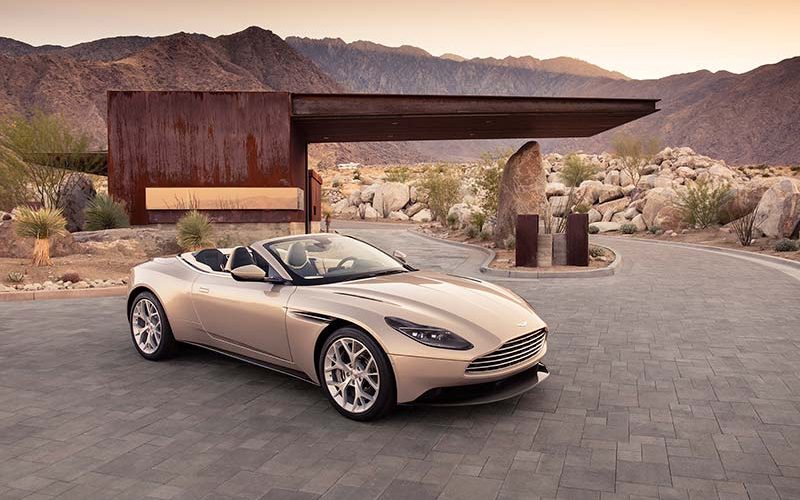
The alliance marks Glenfiddich’s debut as the official whisky partner of Aston Martin, extending its relationship with the Aston Martin Formula One™ Team into an ambitious new chapter that merges luxury, heritage, and forward-thinking excellence.
The union between Aston Martin and Glenfiddich goes beyond a brand collaboration—it is a meeting of two legacies. Both names represent more than a century of mastery in their respective industries.
Together, the brands are committed to creating exclusive products, immersive experiences, and limited-edition releases that honor their heritage while embracing modern innovation.
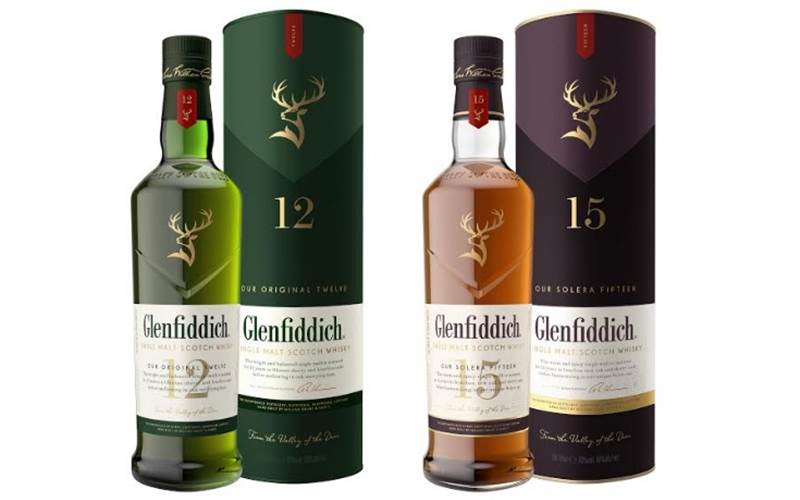
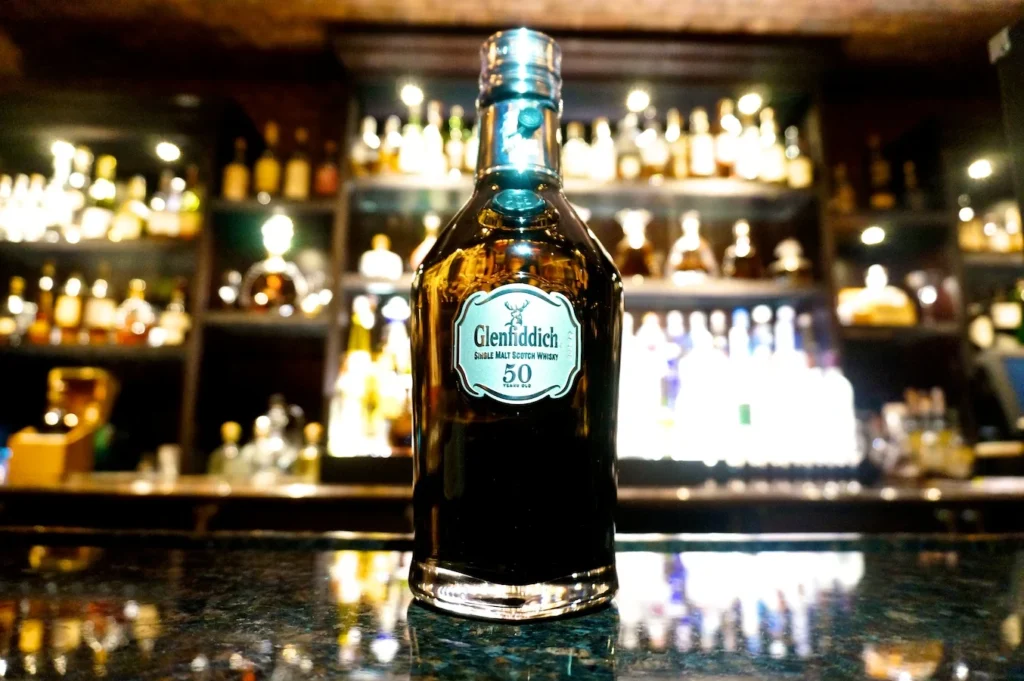
To commemorate the announcement, Glenfiddich has unveiled the 1976 Vintage Single Malt Scotch Whisky—a hand-selected release by Malt Master Brian Kinsman. Limited to just 50 bottles worldwide, this 48-year-old expression pays tribute to a transformative era for both brands.
This rare vintage is available exclusively through The Distillers Library and The Glenfiddich Distillery, making it a collector’s piece for connoisseurs.
Stefano Saporetti, Director of Brand Diversification at Aston Martin, emphasized the shared ethos:
“Aston Martin and Glenfiddich are united by a deep respect for heritage and a commitment to craftsmanship. This partnership allows us to bring our shared story to life through immersive and emotional experiences that resonate globally.”
Brian Kinsman, Glenfiddich Malt Master, highlighted the era-defining significance of the whisky:
“This exceptional cask represents the transformative mid-1970s—a defining period that shaped Glenfiddich’s character for generations. Nearly 50 years later, we continue to honor that legacy, staying true to the spirit of innovation and craftsmanship.”
Claudia Falcone, Global Brand Director at Glenfiddich, added:
“We are thrilled to extend our journey with Aston Martin beyond Formula One™ and into the realm of high-performance luxury vehicles. Together, both brands tell a single story: heritage honored, innovation embraced.”
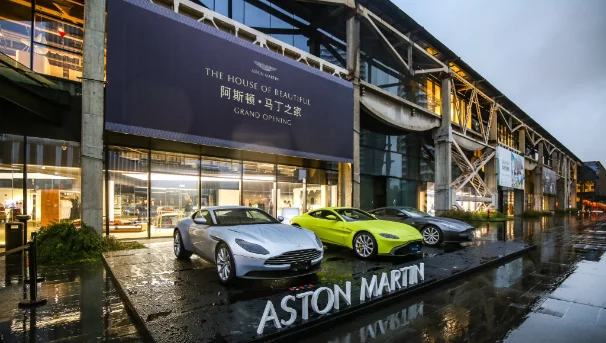
The debut took place at The House of Aston Martin during Monterey Car Week, one of the most prestigious automotive events in the world. Alongside the whisky reveal, Aston Martin showcased the Valhalla, its first plug-in hybrid supercar, representing the marque’s future-facing vision.

Guests were treated to a curated Glenfiddich whisky-tasting experience, pairing the timeless elegance of Scotch with the modern power of Aston Martin design. The setting symbolized the partnership perfectly—heritage intertwined with innovation.
Beyond products and prestige, both brands emphasize responsibility and positive choices. Glenfiddich and Aston Martin actively promote responsible drinking and encourage consumers never to drink and drive—a crucial message as they unite under this new global partnership.
The Aston Martin × Glenfiddich partnership is only beginning. Future collaborations promise exclusive product launches, immersive lifestyle experiences, and limited-edition collections designed for discerning global audiences who value precision, beauty, and authenticity.
With only 50 bottles of the 1976 Vintage available, the launch sets the tone for what is to come—rare, exquisite, and unforgettable.
The luxury market is undergoing a profound transformation, moving beyond traditional notions of opulence and status to a new paradigm defined by resilience, purpose, and function. This shift is giving rise to an emergent, highly nuanced aesthetic known as “Apocalyptic Luxury.” This trend is not a uniform style but a confluence of design philosophies, including Avant Apocalypse, Survivalcore, and Techwear, which collectively manifest a pragmatic response to a world grappling with pervasive anxieties. These anxieties, ranging from climate uncertainty and technological upheaval to political instability, are reflected in a new design language focused on durability, adaptability, and emotional armour.

This report analyses the drivers behind this movement, examining its psychological underpinnings, its innovative business strategies, and its long-term implications for the luxury sector. The analysis reveals that the core value of Apocalyptic Luxury lies not just in the garment’s aesthetic but in the story and sense of security it provides. Furthermore, the commercial success of this trend is inextricably linked to a reimagined retail model, with hotels emerging as a pivotal new frontier for creating immersive, story-driven consumer experiences. The findings suggest that this is not a fleeting fad but a philosophical redefinition of luxury, where the ability to endure and adapt becomes the ultimate form of aspirational elegance.
A New Aesthetic for a New Era: Deconstructing the Apocalyptic Look
The contemporary fashion landscape is witnessing the emergence of a new aesthetic that synthesises high-end design with survivalist pragmatism. This trend, which can be termed “Apocalyptic Luxury,” represents a fundamental divergence from the purely ornamental to the purposefully functional. Its vocabulary is drawn from the visual narratives of science fiction and dystopian cinema, translating fictional preparedness into real-world sartorial statements. This is not about a single, monolithic style, but a sophisticated blend of three distinct yet interconnected design movements.

The foundation of this aesthetic is the Avant Apocalypse movement, a term coined by trend forecaster Mandy Lee. This style is described as “neutral maximalism,” a deliberate paradox that blends layered chaos with a subdued colour palette. It is characterised by the deconstruction of everyday pieces and the use of asymmetry, often styling clothes in a way that appears “wrong” to the untrained eye. This focus on unconventional silhouettes and clashing fabrics—all within a neutral or earthy colour scheme—creates a high-fashion interpretation of a near-future dystopian outfit. It is a look that has been championed by avant-garde designers such as Rick Owens and Maison Margiela, but its principles of repurposing and layering also make it accessible for do-it-yourself (DIY) expression.
A more utilitarian sub-genre is Survivalcore, which draws heavily from military and outdoor gear. This aesthetic is a direct expression of a mindset focused on resourcefulness, durability, and readiness. Its visual language is defined by elements such as cargo pockets, tactical vests, and a muted, earthy colour palette that symbolises a person prepared for harsh environments. The inspiration for this look often comes from cinematic “Wasteland apparel” seen in films like
Mad Max, where function and ruggedness take precedence over traditional fashion norms. The style is less about fantasy and more about a grounded, practical approach to an unpredictable world.
Finally, the trend integrates elements of Techwear, which adds a layer of futuristic, high-performance functionality. Techwear, pioneered by brands like ACRONYM and Guerrilla Group, utilises advanced fabrics such as GORE-TEX and incorporates modular systems for adaptability. When these elements are merged with the raw, distressed aesthetic of post-apocalyptic fashion, the result is a unique hybrid that is both rugged and sleek. This fusion creates a “battle-ready” vibe that is as provocative as it is practical, blending a high-tech edge with a survivalist sensibility. This hybridisation allows for a wardrobe that is prepared for the urban jungle just as much as it is for a desolate wasteland.

The appeal of this aesthetic goes beyond its visual novelty; it is rooted in a deliberate and philosophical approach to design and materials. The clothing is crafted to tell a story of resilience and adaptability. Key design choices include asymmetrical cuts and deconstructed designs, which signal a departure from conventional fashion rules towards an individualistic and rebellious spirit. This deliberate lack of traditional structure mirrors a world in flux, creating a sense of dynamic visual tension.
Layering is a core technique, serving a dual purpose of adding visual interest while also providing protection and adaptability in a constantly changing environment. This includes using multiple layers of clothing, tactical vests, or modular components like detachable sleeves and pockets, which enhance the garment’s versatility. The primary colour palette is dominated by
muted and sombre hues—blacks, greys, and earth tones—which symbolise survival and function rather than pleasure. This neutral base also enables the trend’s “textural maximalism”. The sobriety of the colours can, however, be offset by technological accents like reflective panels or bright pops of colour, which nod to the fusion of tech and survivalism.
The choice of materials is central to this trend’s philosophy. While Techwear relies on synthetic materials, Apocalyptic Luxury often prefers a mix of natural and high-performance textiles. Sturdy materials like leather, cotton, and wool are favoured for their durability and comfort in a harsh, uncertain world. Pioneering brands like Vollebak are elevating this approach by using advanced, high-tech materials such as graphene, aerogel, and copper-infused textiles, which are designed for endurance and resilience in extreme conditions. The final appearance of the clothing often has a “battle-worn” or distressed aesthetic, with frayed edges and patched-up synthetics. This purposeful wear-and-tear is not an accident of design; it is a form of powerful storytelling. It is a visual language that suggests the garment has a history and its wearer is a survivor who has endured challenges, reflecting a world that has “seen better days”. This deliberate craftsmanship transforms the garment from a simple object of commerce into a symbolic piece of armour, a statement of resilience in an unstable world.
Beyond the Garment: The Psychology of a Trend
The rise of Apocalyptic Luxury is not an arbitrary aesthetic shift; it is a profound cultural phenomenon that acts as a direct reflection of a collective psychological state. The clothing serves as a barometer for societal anxieties, translating a pervasive sense of global uncertainty into a tangible form of self-expression. The current trend is a stark contrast to previous luxury movements, such as the Art Deco era, which responded to its historical context with an entirely different visual philosophy.
Fashion as Armour: How Clothing Reflects Societal Anxiety
The trend has emerged at a time when the world feels “pre-apocalyptic”. Its popularity is a direct response to a wide range of global anxieties, including political instability, the worsening climate crisis, technological upheaval, and the overwhelming nature of information overload. The fashion is a critical commentary on contemporary events, allowing individuals to visually express their awareness of and participation in a world that feels precarious and on the brink of change.
In this context, clothing takes on a new function, serving as a form of “armour” for the individual. The layered and protective silhouettes provide a sense of security and preparedness, enabling the wearer to feel equipped to “endure” and “navigate” a chaotic external environment. This is a significant departure from the traditional role of luxury fashion, which often sought to provide an escape from reality. For example, during the global pandemic, while many designers created collections based on themes of “fantasy and escape,” pioneers of the apocalyptic aesthetic like Rick Owens chose to “keep it real”. His collections, featuring models wearing face coverings and social distancing, symbolised a direct confrontation with the present reality, rather than an attempt to ignore it. The trend turns the collective fear of a dystopian future into something “enjoyable and entertaining”. By embracing this aesthetic, people can assert their resilience and strength in a changing environment, finding a sense of beauty in survival and creation at the edge of collapse.
A Tale of Two Eras: From Art Deco Optimism to Dystopian Pragmatism
To fully appreciate the psychological underpinnings of Apocalyptic Luxury, it is valuable to compare it to a historical precedent: the Art Deco era of the 1920s and 1930s. This period, which emerged from the ashes of World War I, was a global cultural movement rooted in a profound sense of optimism and a forward-thinking confidence in the future. It was an aesthetic that celebrated technological progress and “machine-age modernity,” with its visual language mirroring the sleek lines of cars and aeroplanes. The era’s design was defined by “glamour, exuberance, and faith in social and technological progress,” embracing bold, opulent, and symmetrical forms.
The visual cues of Art Deco were a direct manifestation of this celebratory mood. Key motifs included sunbursts, zigzags, and chevrons, which were applied to everything from skyscrapers to furniture. The colour palette was vibrant, featuring rich jewel tones like emerald and sapphire, often paired with gleaming metals such as gold and brass. The materials themselves—velvet, marble, and mirrored surfaces—were chosen for their luxurious and decorative qualities.
The current dystopian era of the 2020s, in contrast, is defined not by optimism but by a pervasive sense of uncertainty. The luxury aesthetic that has emerged is therefore not an outward celebration but an inward-looking, pragmatic one. It is not about celebrating progress but about preparing for its potential failures. While the Art Deco aesthetic focused on exuberant glamour, the Apocalyptic Luxury trend is defined by a purposeful resilience. This comparison highlights a deeper dynamic: luxury and design trends function as cultural and psychological barometers. The shift from Art Deco’s optimistic exuberance to Apocalyptic Luxury’s pragmatic resilience is a macro-level indicator of a fundamental change in how society views its own future. When society feels confident, luxury becomes a celebration of that confidence. When society feels anxious, luxury becomes a tool for coping and for projecting strength. The simultaneous, though separate, resurgence of Art Deco elements in interior design, driven by a phenomenon dubbed “minimalism burnout,” reflects a nostalgic yearning for the glamour and confidence of a bygone era, while the clothing trend embodies the more serious and pressing realities of the present.
Reimagining the Luxury Market
The rise of Apocalyptic Luxury is not solely an aesthetic or psychological phenomenon; it is underpinned by a fundamental re-engineering of the luxury market itself. This trend is a response to evolving consumer demands, pushing brands to innovate their value propositions and explore new retail models that prioritise experience, narrative, and durability over traditional extravagance.
The New Value Proposition
The very definition of luxury is being redefined. For a long time, it was predicated on rarity, extravagance, and exclusivity. The new luxury, however, is increasingly defined by its
purpose, function, and resilience. Brands are strategically repositioning themselves to sell the idea that their products are “purpose-built for an unpredictable world”. This is not merely marketing language; it is a core business strategy rooted in the principles of durability and a new understanding of sustainability.
Durability is now a central tenet of the luxury value proposition. Research indicates that high-end products can be more sustainable than their mid-range counterparts precisely because they have a longer life cycle. Consumers tend to hold onto them for longer and are more likely to resell or donate them rather than discarding them, which contributes to a more circular economy in fashion.
A key challenge for brands, however, is overcoming a phenomenon known as “product durability neglect”. While consumers generally believe that luxury goods are more durable, they often fail to factor this into their purchasing decisions. Instead, they are more often swayed by other, more salient aspects of luxury, such as status signalling and hedonistic indulgence. This presents an opportunity for strategic marketing. By actively and transparently communicating a product’s longevity, brands can elevate durability from a hidden attribute to a primary selling point, nudging consumers toward a more sustainable mindset and aligning with a broader industry shift toward eco-conscious practices. This reframing of durability as both a functional and ethical benefit is what transforms a garment from a passing trend into a lasting investment.
The Hotel as the New Retail Frontier
The shift to Apocalyptic Luxury is inextricably linked to a fundamental transformation of the retail model. In the modern “experience economy,” consumers are no longer content with a simple transaction; they seek immersive experiences, emotional connections, and stories attached to their purchases. This has led to a blurring of the lines between hospitality and retail, with hotels emerging as a powerful new channel for luxury brands.
Fashion brands are leveraging hotels as “agile nodes” in their retail strategy, moving beyond traditional boutiques to create temporary, high-impact experiences. These collaborations take a variety of forms, from themed suites designed by renowned fashion houses to exclusive pop-up stores and limited-edition capsule collections available only to guests. These partnerships are mutually beneficial, providing hotels with a fresh opportunity to differentiate themselves in a competitive market and boosting both their visibility and revenue streams.
Hotels are proving to be an ideal partner for the new luxury retail model for several strategic reasons:
Targeted Audience: Boutique and luxury hotels naturally attract a pre-qualified, affluent demographic. Guests are already in a “vacation mindset,” where impulse buying and indulgence are more likely to occur, making them an ideal target for high-end, exclusive products.
Exclusivity and Immersion: These collaborations create a powerful sense of exclusivity by making products or experiences accessible only to visitors, fostering a sense of belonging to an “exclusive club”. The immersive nature of a hotel allows brands to embed themselves into the guest’s lifestyle, creating an emotional connection that builds long-term loyalty and affinity.
Low-Risk, High-Impact: For brands, hotel pop-ups offer a “low-risk, high-impact” way to test new markets and gauge consumer demand without the significant financial commitment of a permanent brick-and-mortar location. They serve as a powerful marketing platform that generates significant social media buzz through user-generated content, amplifying online visibility.
Successful examples of this model include the Dior “Dioriviera” pop-up at The Beverly Hills Hotel, which transformed the space into a vibrant, photo-ready oasis with branded sun loungers and pink surfboards, creating a visual feast for social media. Similarly, the
Missoni x The Ritz-Carlton, Bali collaboration established an immersive “Resort Club” with Missoni’s signature patterns adorning sunbeds and umbrellas, complete with a pop-up store for exclusive beachwear. Taking this concept even further, designer
Christian Louboutin created his own hotel, Hotel Vermelho Melides, to fully immerse guests in his unique vision, demonstrating the ultimate fusion of hospitality and fashion.
The business of Apocalyptic Luxury and the new hotel retail model are interdependent. The narrative-driven aesthetic of the clothing, with its emphasis on story and purpose, cannot be effectively sold in a traditional, static retail environment. The value is not just in the item but in the story and the memory it creates. Hotels provide the ideal, curated stage for this new form of commerce, where the product is validated and enhanced by the unique environment, making the two trends inextricably linked.
The Future of Luxury
The rise of Apocalyptic Luxury is not a fleeting trend but a fundamental philosophical shift in the luxury market. Its momentum is driven by deep-seated societal anxieties and a consumer desire for meaningful products. The long-term success of this movement hinges on its authenticity and its ability to continue redefining luxury in a post-hedonistic world.
4.1. From Fad to Philosophy: Long-Term Implications for the Industry
The underlying drivers of this trend—a response to climate uncertainty, political instability, and a broader search for meaning—are not temporary phenomena. Therefore, the appeal of a luxury that is defined by resilience and function is likely to endure. The new luxury hierarchy will not be measured by extravagance but by attributes like authenticity, longevity, and purpose. The brands that will lead in this new era are those that can create products that are both aspirational and genuinely durable.
This redefinition of value has the potential to reshape the entire fashion ecosystem. The focus on durability and resale value, for example, will encourage a more circular economy in high fashion. This movement, which values the extended lifespan of products, can significantly reduce waste and promote sustainable practices, signaling a lasting departure from the fast-fashion model that has dominated the industry for decades. The philosophical shift from an obsession with fleeting trends to a celebration of lasting quality is a direct manifestation of a new consumer consciousness.
4.2. Actionable Insights for Brands
To authentically engage with this new philosophy, brands must move beyond surface-level aesthetics and invest in a new approach to product, narrative, and experience. The following recommendations are essential for navigating this new landscape:
Embrace the Narrative: Brands must go beyond simply selling a garment and instead develop a compelling story around it. The clothing should feel as though it has a purpose and a history, even if it is a new piece. The aesthetic of deconstruction and distress is a visual language that can communicate a narrative of endurance, making the product more valuable and emotionally resonant to the consumer.
Innovate with Materials: Authenticity in this space requires genuine investment in high-tech and sustainable materials. The material choice must directly reflect the brand’s philosophy of resilience and responsibility. This could involve exploring advanced textiles like graphene or responsibly sourced materials like eiderdown, ensuring that the product is as functionally robust as it is aesthetically compelling.
Curate the Experience: The traditional retail model is insufficient for selling a lifestyle. Brands must adopt a “hospitality mindset” and focus on creating immersive, personalized, and exclusive experiences. This can be achieved through strategic hotel collaborations or by developing brand-owned hospitality spaces, which serve as a stage for storytelling and a point of emotional connection with the consumer.
Leverage Digital: The trend’s reliance on social media for amplification is critical. Brands should utilize platforms that support short-form video and influencer marketing to showcase the lifestyle and stories behind the garments. Furthermore, digital tools like Augmented Reality (AR) and Virtual Reality (VR) can be used to create immersive product visualizations, bridging the gap between the physical and digital shopping experience.
The philosophical shift in luxury from hedonism to pragmatism is a response to a deeper, more profound consumer anxiety. The rise of Apocalyptic Luxury is, at its core, an aspirational movement, allowing consumers to align their purchasing decisions with their values of resilience, sustainability, and preparedness in an uncertain world. The success of any brand engaging in this space will hinge on its authenticity, as the product must genuinely feel purposeful and valuable to a new generation of consumers for whom survival and self-expression are no longer mutually exclusive.
Luxury hotels have long been a benchmark for global travel—symbols of refinement, service, and exclusivity. In 2025, however, the definition of luxury goes far beyond plush suites and ocean views. According to Luxury Travel Intelligence (LTI), a respected travel consultancy, the latest ranking of the world’s best luxury hotel brands reflects a hospitality landscape where brand ethos, cultural immersion, and service consistency outweigh mere architecture.
For the third consecutive year, Mandarin Oriental has claimed the top spot, proving its ability to marry timeless Asian hospitality with international sophistication. Close behind, Aman Resorts surged into second place, followed by Bulgari Hotels & Resorts, Oetker Collection, and Rosewood Hotels rounding out the top five.
Luxury Travel Intelligence created its list by analyzing over 130 critical touchpoints that define excellence in hospitality. These touchpoints include:
Rather than evaluating one standout property, the research focused on overall brand performance, which reveals the staying power and global consistency of luxury hotel chains.
Approximatly $585
Location: Various Locations

Mandarin Oriental has once again proven why it is the gold standard in luxury hospitality. With 40 hotels in 26 countries, the brand seamlessly blends Eastern elegance with Western modernity.
Approximately $1200
Location: Various Locations

Derived from the Sanskrit word for “peace,” Aman Resorts has cultivated a near-mystical reputation among global travelers. Known for its minimalist design, remote locations, and ultra-personalized service, Aman properties feel more like sanctuaries than hotels.
Location: Various Location

The Italian luxury fashion house has extended its identity into the hospitality world, opening its first hotel in 2004. Bulgari Hotels fuse Italian glamour, bold architecture, and haute design, creating immersive spaces where fashion meets travel.
Approximatly €35
Location: Various Locations

A German-born brand, Oetker Hotels are known as “Masterpiece Hotels,” each property exuding unique character, history, and cultural depth.
Approximatly $2,568
Location: Various Locations
With its “Sense of Place” philosophy, Rosewood Hotels emphasizes the local culture and history of each location. Guests don’t just stay at a Rosewood—they live within the city’s cultural heartbeat.
Approximately $310
Location: Las Vegas
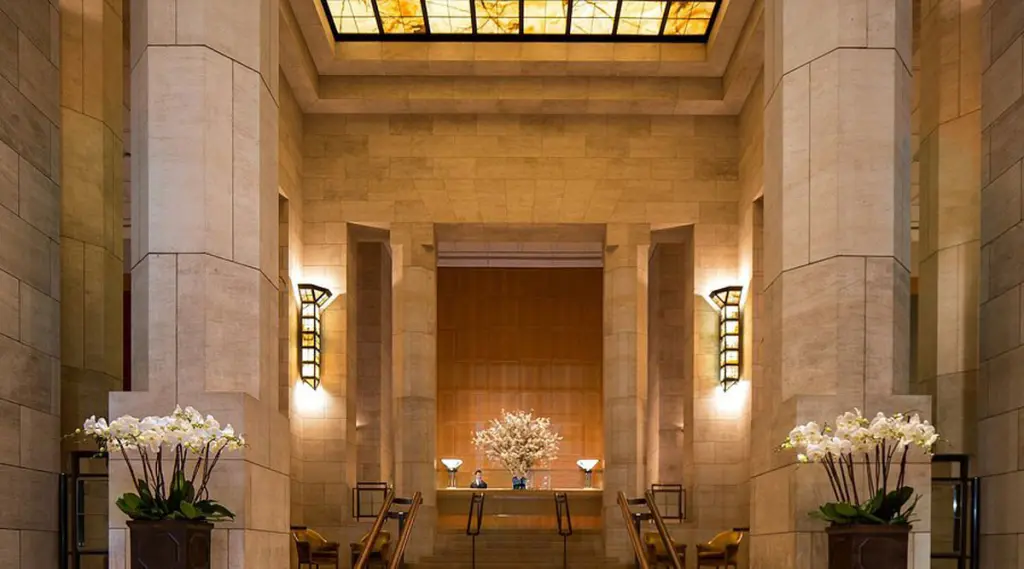
Founded in 1961, Four Seasons remains synonymous with personalized service and luxury consistency. Its flagship New York property reopened in 2024 after major renovations, reinforcing its reputation as a leader in urban luxury.
Approximately $1450
Location: London

Known for holistic wellness and sustainability, Six Senses places as much emphasis on well-being and community integration as it does on opulence. Its pyramid-inspired logo represents the five senses and intuition.
Approximately $40−$60
Location: Various Locations

What began as a fine-dining restaurant in Napa Valley in 1981 has grown into a luxury brand known for romantic, intimate resorts. Auberge properties balance gourmet dining, design, and intimate escapes.
Approximately $1623
Location: Various locations

Founded by Sir Rocco Forte, the collection emphasizes family-run warmth, historic European settings, and contemporary elegance. With 14 hotels and expanding, the brand retains a personal touch.
Approximately $2,680
Location: Dubai

From Mauritius to Dubai, One&Only creates ultra-luxurious beachfront and desert properties that highlight natural beauty while offering world-class dining and service.
Price: Varies by location
Location: Various locations

Now part of LVMH, Belmond specializes in heritage-driven luxury. Its portfolio includes hotels, luxury trains, and river cruises, including the iconic Venice Simplon-Orient-Express.
Approximately $1,254
Location: Multiple Locations
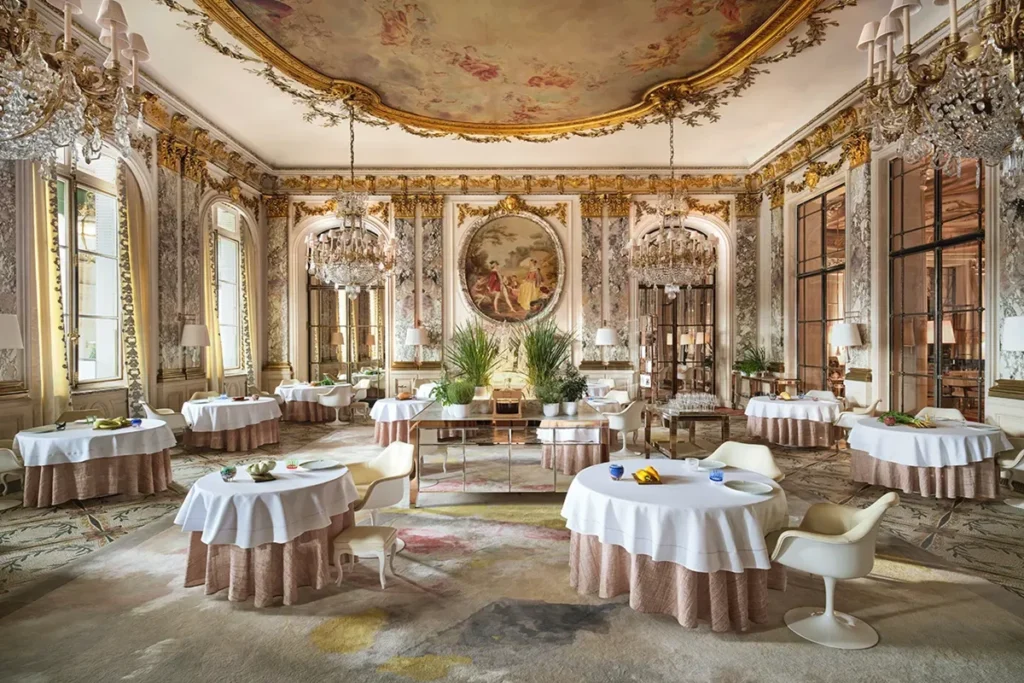
An iconic brand tied to timeless London glamour, the Dorchester Collection has become a benchmark of European luxury. Its flagship hotel served as a wartime safe haven and remains a hub of aristocratic elegance.
Apporimately $1,527
Location: NewYork
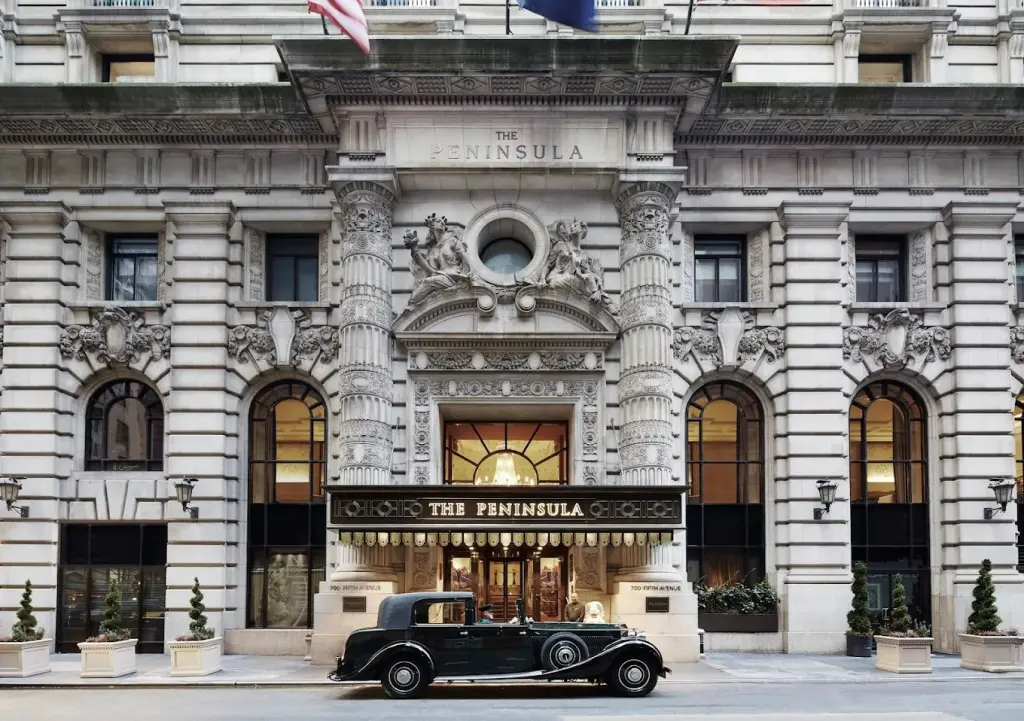
Every Peninsula property carries five-star Forbes ratings, making it one of the most consistently excellent brands in the world. The Peninsula New York stands as a crown jewel of Manhattan’s luxury scene.
Approximately $380
Location: Thailand
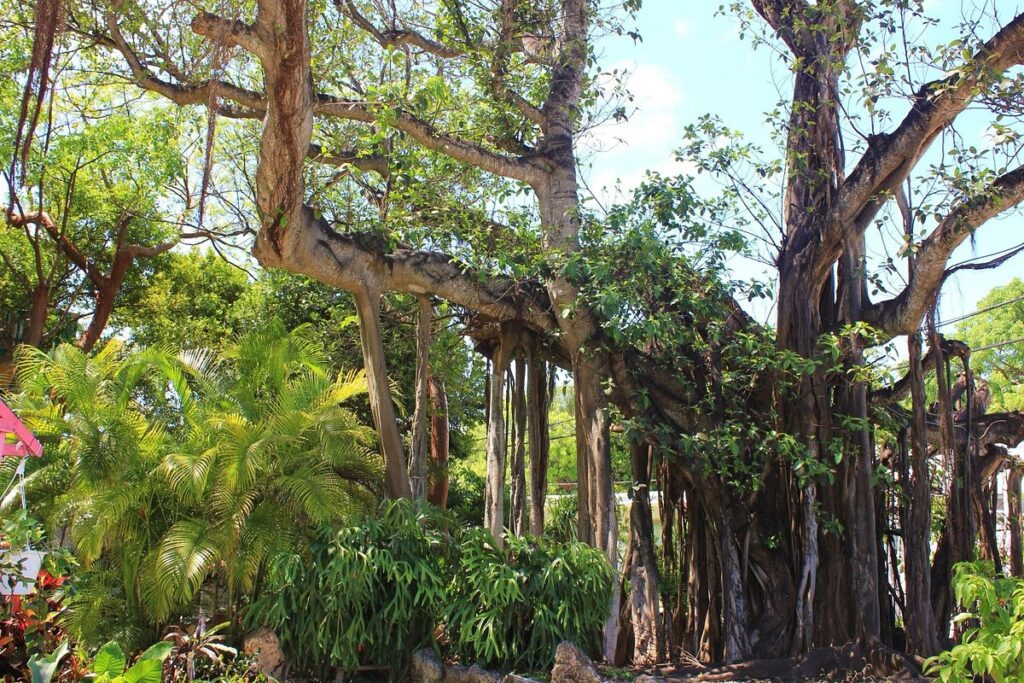
Founded in Phuket in 1994, Banyan Tree is celebrated for eco-friendly resorts and wellness escapes. Its roots lie in sustainable transformation, converting a tin mine into a resort.
approximately $88
Location: USA

The legendary Singapore hotel, birthplace of the Singapore Sling cocktail, is emblematic of Raffles’ global reputation for colonial charm blended with modern indulgence.
Luxury travel is no longer just about extravagant design; it’s about authentic experiences, personalization, and cultural immersion. Some defining trends include:
One striking observation from the ranking is how many of the top brands have properties in New York City. From Mandarin Oriental and Aman to Rosewood’s Carlyle and the Peninsula, Manhattan is arguably the epicenter of luxury hospitality. Travelers no longer see New York hotels as just places to sleep—they are destinations in themselves.
The LTI ranking serves both travelers and the industry:
The world’s best luxury hotel brands in 2025 are more than just places to stay—they are global symbols of hospitality innovation. From Mandarin Oriental’s timeless elegance to Aman’s serene sanctuaries, these brands redefine what luxury means in a rapidly changing travel landscape.
The rise of sustainability, wellness, and cultural immersion signals that the future of luxury travel will be deeply human, authentic, and globally connected. For travelers, this ranking is not just a list—it’s an invitation to experience the art of hospitality at its highest form.
The world of luxury watches thrives on precision, craftsmanship, and heritage—but in 2025, innovation and independence are taking center stage. The Louis Vuitton Watch Prize, established to champion creativity in contemporary horology, has announced its 20 semi-finalists, each representing the vibrant future of watchmaking. Unlike traditional competitions dominated by large maisons, this prize focuses on independent watchmakers—craftsmen and women whose artistry balances centuries-old traditions with forward-looking design.
This year’s selection highlights not only the resilience of independent brands but also a cultural shift in the luxury sector. Collectors and enthusiasts are looking beyond the “big names” of Swiss watchmaking to embrace rare, bespoke, and visionary creations. The Louis Vuitton Watch Prize serves as a platform to amplify these voices, celebrating the artistry that keeps mechanical watchmaking relevant in a digital-first era.
Launched in 2022, the Louis Vuitton Watch Prize is designed to encourage innovation and safeguard horological craftsmanship. Inspired by Louis Vuitton’s long-standing connection with artisanal excellence, the initiative mirrors the brand’s mission in fashion and design—offering global recognition to creative independents.
Unlike traditional awards, the Watch Prize emphasizes not only technical mastery but also storytelling, cultural identity, and sustainability. Applicants are judged by a panel of experts, including watchmakers, collectors, journalists, and industry leaders. By spotlighting independents, the prize positions itself as both a guardian of heritage and a catalyst for innovation.
The prize also provides financial support, mentorship, and visibility—resources that are often beyond the reach of independent watchmakers who may lack the marketing power of established conglomerates.

The 2025 semi-finalists represent a diverse cross-section of the watchmaking world, spanning Switzerland, Japan, China, the United States, Australia, and beyond. While each watchmaker carries a unique story, together they embody the renaissance of independent horology.
Several semi-finalists are redefining technical boundaries with pioneering complications, materials, and movements. From avant-garde use of carbon and titanium to intricate new escapement designs, innovation is central to their practice.
In contrast to industrial production, many watchmakers in the running emphasize hand-finishing, engraving, enameling, and traditional métiers d’art. Their work appeals to collectors who value individuality and human touch.
Globalization is leaving its mark. Chinese and Japanese watchmakers are introducing fresh perspectives, merging local cultural aesthetics with classical horology. This challenges the long-held notion that Switzerland alone defines luxury watchmaking.
With younger collectors demanding ethical luxury, some semi-finalists are adopting recycled materials, transparent sourcing, and eco-conscious production. This signals a new era where craftsmanship and responsibility coexist.
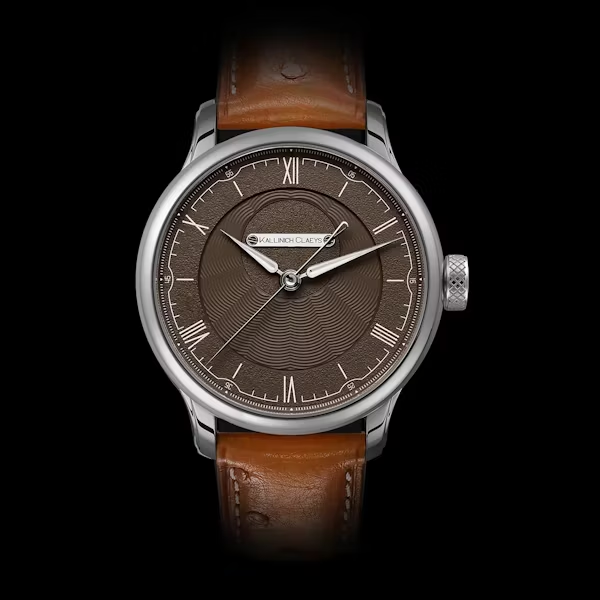
For centuries, horology has been associated with tradition and heritage, dominated by a handful of Swiss powerhouses. However, today’s luxury landscape is shifting. Collectors increasingly seek authenticity, rarity, and innovation—qualities often found in independent makers rather than corporate giants.
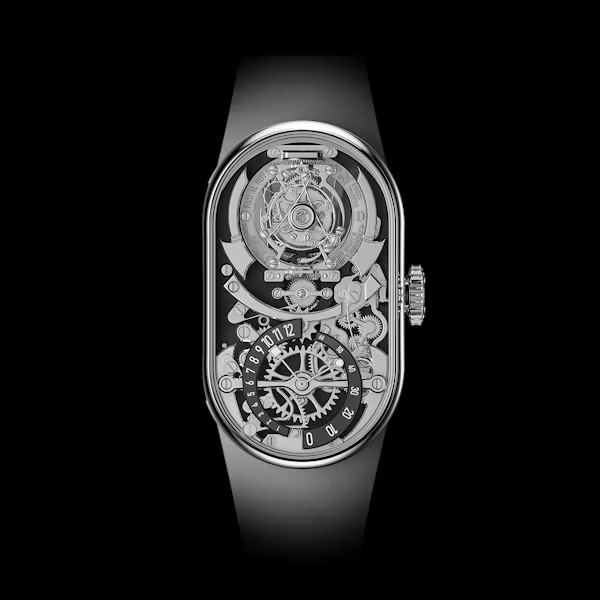
Independents create timepieces in limited numbers, often crafting fewer than 100 pieces a year. This exclusivity, paired with bold artistic vision, makes their work highly desirable in secondary markets. For many, owning such a watch is less about status and more about patronage—supporting a craftsperson who pours personal artistry into every movement and case.
The Louis Vuitton Watch Prize elevates these independents, providing a platform where collectors, press, and industry stakeholders can discover hidden gems. In this way, the award is not just about recognition—it is about ensuring the survival and growth of a fragile but essential part of the industry.
One of the most compelling aspects of the 2025 semi-finalist lineup is its global diversity. Swiss ateliers remain central, but new hubs are emerging:
This global participation illustrates that the future of watchmaking is not bound by geography but by creativity.
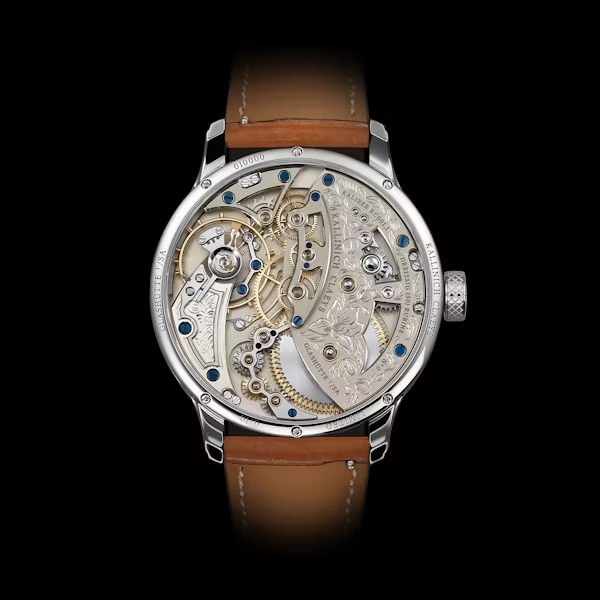
Collectors are at the heart of this evolution. For them, independent watchmaking offers a deeper emotional connection than mass-produced models. A collector may wait months—or even years—for a custom commission, cherishing the story behind the timepiece as much as its mechanics.
The semi-finalists of the Louis Vuitton Watch Prize feed into this passion. Their works are narrative-driven, embedding culture, philosophy, or personal identity into their designs. Whether it’s a tourbillon inspired by architecture, or a dial painted using ancient techniques, these watches resonate as wearable art.
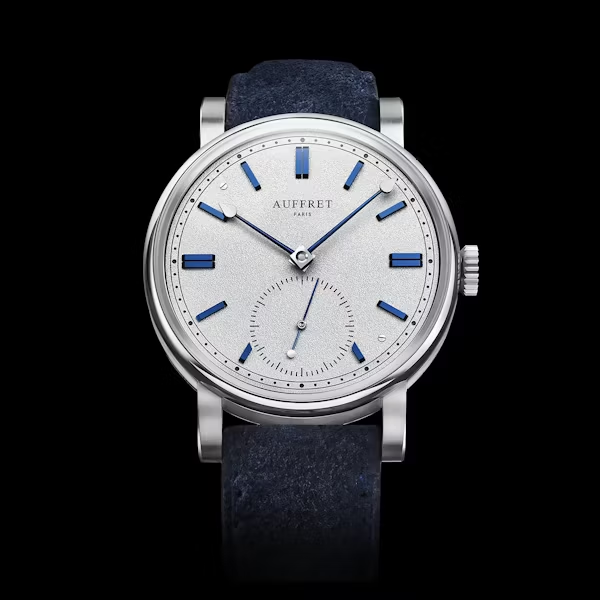
The Louis Vuitton Watch Prize is more than a competition—it is a movement. By highlighting independent voices, it challenges the dominance of conglomerates and encourages diversity in design and technique.
The ripple effects are already visible. Industry conversations increasingly include independents, auction houses are spotlighting them, and luxury retailers are dedicating space to smaller brands. The prize thus acts as both an accelerator and a safeguard, ensuring that innovation continues to thrive in a sector rooted in tradition.
The 20 semi-finalists of 2025 are proof that horology is alive, dynamic, and responsive to cultural change. Their collective presence signals a future where the artistry of independent watchmakers sits proudly alongside the legacies of established maisons.

As the world turns toward individuality in luxury, these independents embody the very essence of timekeeping: precision, innovation, and a story worth telling.
Four decades later, the RockWatch comes in a 2025 limited-edition revival, reminding the world why it is still one of the most astonishing breakthroughs in Swiss watchmaking history.
Why Stones in Watches are So Rare
Stones and watches have long been associated, but only as decorative elements. Dials are frequently made of semi-precious stones such as onyx, malachite, lapis lazuli, or tiger’s eye, while bezels and markers are typically made of diamonds or sapphires.
However, making a watch case entirely out of stone presents a very new challenge. Granite, for example, is naturally fragile and susceptible to breaking. Making it into something as exact and durable as a wristwatch case necessitates specialized tools, rigorous engineering, and extreme patience.
The original Tissot RockWatch (1985)
Tissot introduced the first RockWatch in the mid-1980s, bringing a revolutionary concept to life. The concept was both romantic and ambitious: a Swiss watch made from the stones of the Swiss Alps.
Tissot created new industrial procedures for cutting, shaping, and stabilizing granite to endure ordinary use. It required years of experimentation to get the desired symmetry, gloss, and longevity. The 1985 RockWatch, the world’s first granite-cased watch, quickly gained recognition for its unique design.
It represented not only workmanship, but also the relationship
2025 Tissot RockWatch Revival
Fast forward 40 years, and Tissot has revived the RockWatch with a limited edition of only 999 pieces. This revival is more than simply a nostalgic tribute to the past; it’s a fresh rethink that combines historical with current design.
The 2025 version features granite extracted straight from Jungfrau, one of the Swiss Alps’ most prominent summits at 4,158 meters. Interestingly, much of the granite utilized was discovered decades ago during the construction of alpine railway tunnels. Today, these stones are the cornerstone of a wristwatch that combines Swiss geological heritage with excellent watchmaking.
Design and Aesthetics: A Pebble in Time
The new RockWatch case measures 38mm, which is consistent with the original design. Its most distinguishing feature is the pebble-shaped case, which feels organic and tactile—similar to holding a smoothed mountain stone in your palm.
Unlike the 1985 model’s colorful trail-marker-inspired hands, the 2025 edition is more refined in its minimalism. The dial is basic granite, with nickel-plated hands and clear white markers that evoke the snowy peaks of Jungfrau.
Key features include:
Granite Case: Hand-carved from Jungfrau stone.
Steel accents on the crown, caseback, and lugs provide contrast and durability.
Sapphire Crystal – Domed with an anti-reflective coating for clarity.
Quartz Movement – A dependable and exact Swiss quartz caliber.
Leather Strap – Black grained leather for a traditional look.
Each watch is individually numbered, assuring collectors that they own one of fewer than 1,000 timepieces globally.

Even with modern gear, carving stone into a watch casing is not a simple task. Granite is merciless, and even the tiniest imbalance during manufacture can result in fractures. Tissot’s achievement is to balance the raw, natural beauty of granite with the precision of horology.
However, there are a few limits. For example, the RockWatch does not claim strong water resistance—most likely due to the porous nature of stone. This makes it more of a collector’s statement piece than a practical sports watch.
Nonetheless, the fact that such a watch exists at all is a tribute to Tissot’s creativity.
The original 1985 Tissot RockWatch stood out immediately thanks to its use of bright yellow and red hands, a design choice inspired directly by alpine trail markers scattered across the Swiss mountains. These markers were not only symbolic but also practical, representing guidance and adventure in rugged alpine terrain. By translating this imagery into the watch, Tissot gave the RockWatch a distinct identity that blended functionality with storytelling.
The effect was both retro and playful, perfectly reflecting the adventurous spirit of the 1980s. This was an era when watch design embraced experimentation, color, and boldness, making the RockWatch not just a technical achievement but also a cultural one. The stone case paired with vibrant hands created a unique balance between raw natural material and bright modern expression, appealing to both collectors and casual wearers looking for something unconventional.
2025 RockWatch – Minimalism Meets Modern Elegance
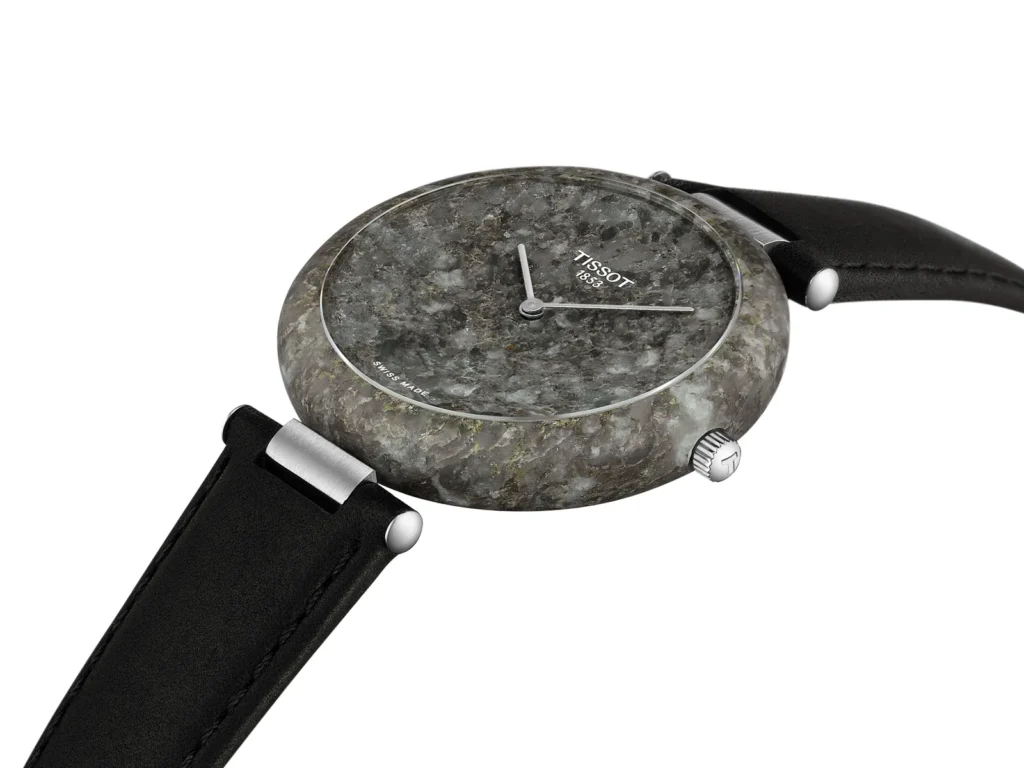
Four decades later, the 2025 RockWatch presents a more refined and minimalist aesthetic, aligning with today’s appreciation for understated elegance. Instead of the bold alpine colors of its predecessor, this revival features polished nickel-plated hands and crisp white indices set against the natural granite dial. The design subtly echoes the snow-capped peaks of the Jungfrau mountain, where the granite was sourced, making the watch a poetic tribute to its origins.
This modern interpretation is less about bold adventure and more about timeless sophistication. The clean contrasts of stone, steel, and nickel allow the piece to seamlessly complement both casual and formal styles. The shift from playful color to refined neutrality reflects the evolution of watchmaking trends, where minimalism and versatility now take precedence.
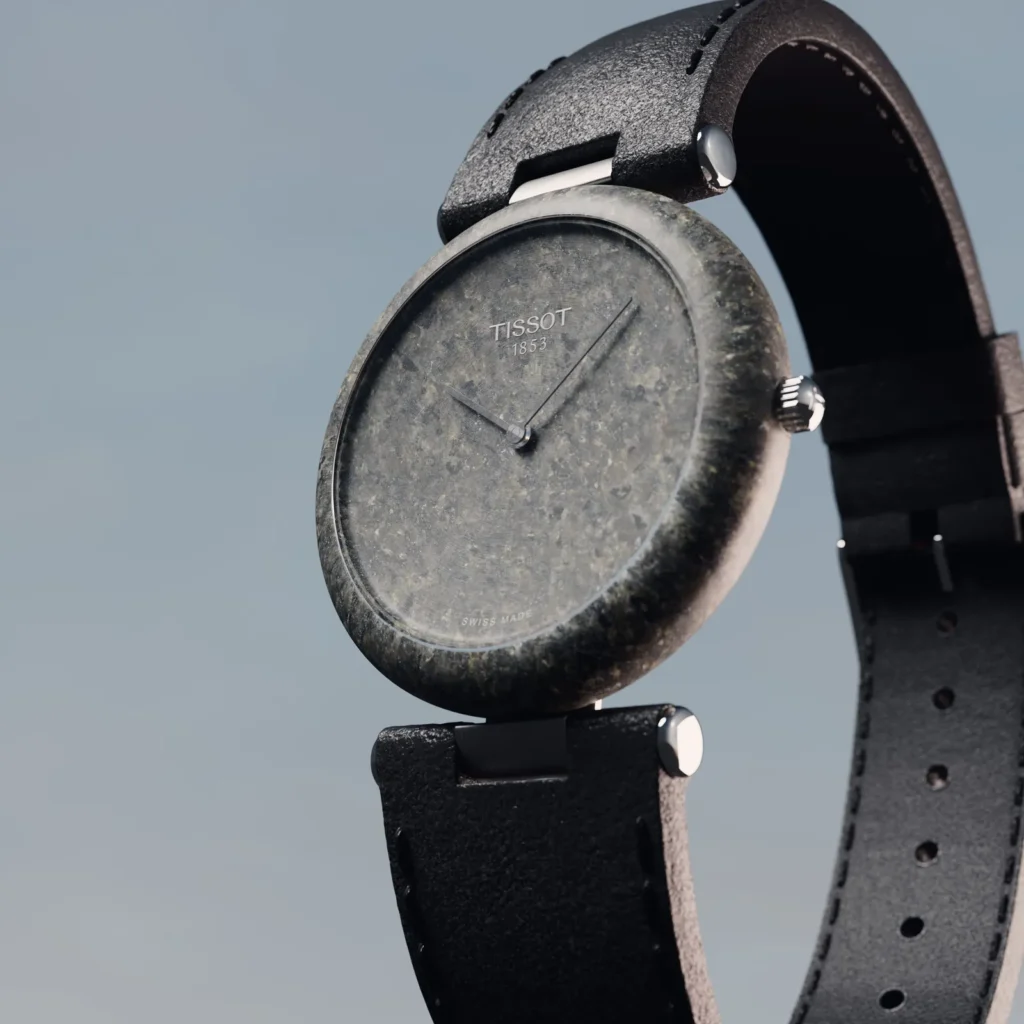
Evolution Across Four Decades
While the core DNA remains unchanged—a case made from genuine Swiss Alps granite—the execution has matured. The 1985 version celebrated boldness, color, and the spirit of exploration, while the 2025 edition embraces precision, modernity, and enduring style. Together, they highlight how the RockWatch is not just a watch but a reflection of its era, evolving to stay relevant without losing its essence.
Packaging: A Collector’s Delight
Adding to the charm, the 2025 RockWatch comes in a box designed to resemble a granite block, paying homage to its origin. It feels less like opening a watch case and more like unearthing a geological treasure.
Technical Specifications of the Tissot RockWatch (2025 Edition)
Why the RockWatch Matters
The Tissot RockWatch isn’t just another limited-edition novelty. It represents the intersection of natural history and watchmaking history. While many luxury watches boast about rare metals or elaborate complications, this piece stands apart for its philosophy and symbolism.
It is a reminder that timepieces are not only about keeping time—they are about storytelling, innovation, and culture. With the RockWatch, every glance at the wrist is a reminder of the Swiss Alps, the enduring spirit of craftsmanship, and a pioneering idea that began 40 years ago.
The Tissot RockWatch 2025 Revival is more than a collector’s item—it’s a wearable piece of Swiss heritage. While it may not suit rugged outdoor use, it embodies an artistry rarely seen in modern watchmaking. For enthusiasts, it bridges nostalgia and innovation; for collectors, it offers rarity and storytelling; and for the watch world, it proves that sometimes, the boldest ideas stand the test of time.
Limited to 999 pieces worldwide, the RockWatch is set to become one of the most distinctive Tissot models ever produced.
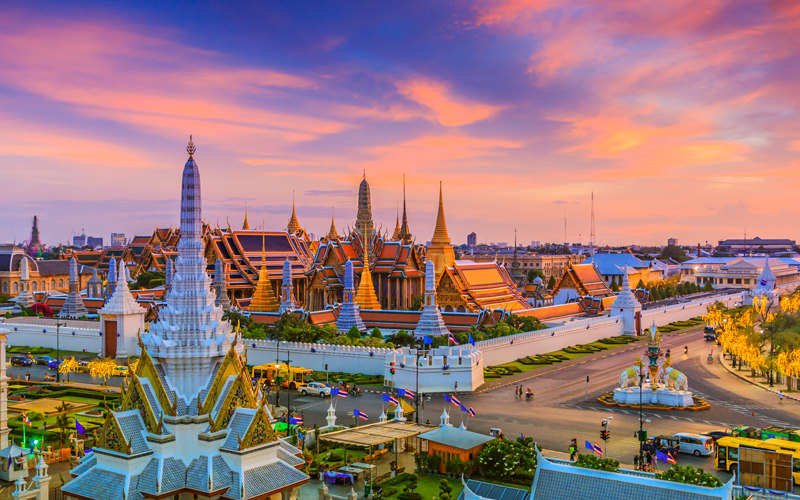
Bangkok, the “City of Angels,” has always been a magnet for travelers, a vibrant metropolis where ancient traditions and a frenetic pace of modern life coexist. But in a city that never stops evolving, recent years have seen a transformative surge in new developments. From high-end luxury to immersive art, a fresh wave of destinations is reshaping Bangkok’s landscape, solidifying its status as a premier global hub for culture, hospitality, and fashion. For those who have visited before or are planning their first journey, the city offers more reasons than ever to explore its dynamic, ever-changing skyline and its rich, diverse offerings.
This article delves into the most compelling new additions, providing a comprehensive guide to the experiences redefining a visit to the Thai capital.
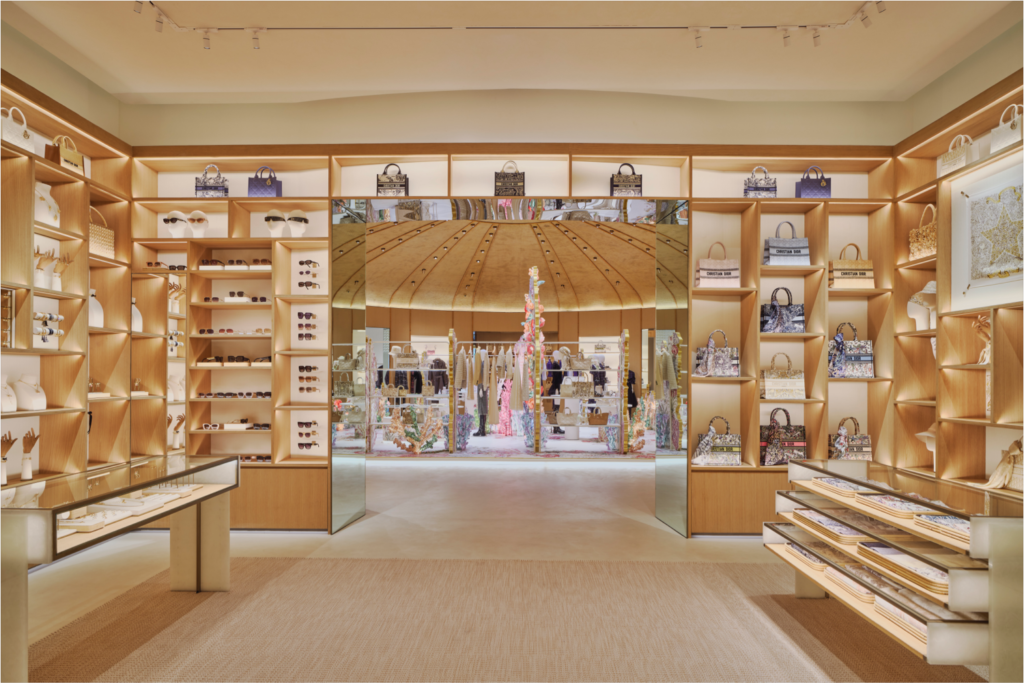
Bangkok’s luxury scene has been elevated to new heights with the opening of the Dior Gold House. Situated in the upscale Ploenchit district, this concept store is not merely a retail space; it is a gilded testament to the fusion of French haute couture and exquisite Thai craftsmanship. The building’s exterior, meticulously gilded by local artisans, reflects the splendor of Dior’s iconic Parisian townhouse, creating an unforgettable first impression.
Inside, the Gold House is an immersive journey through the world of Dior. It showcases the latest seasonal fashion collections, including ready-to-wear, accessories, and men’s fashion curated by creative directors Maria Grazia Chiuri and Kim Jones. The store also features exclusive installations by both Thai and international artists, weaving a narrative that blends fashion with themes of culture and environmental awareness.
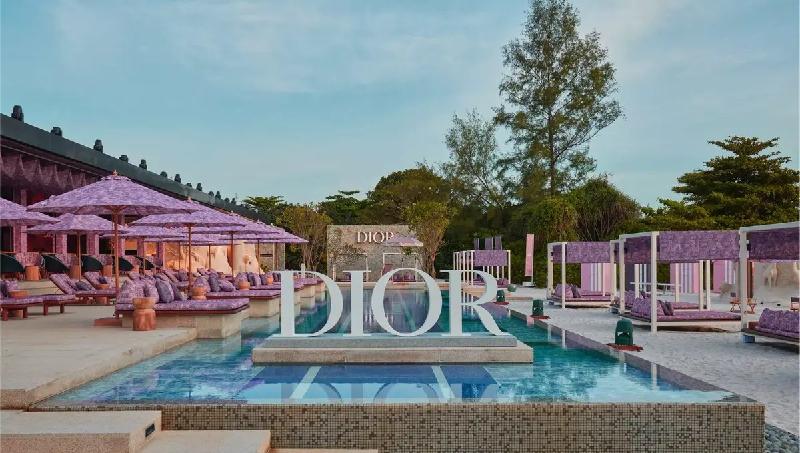
A key highlight of this luxurious destination is Café Dior, led by three-Michelin-star chef Mauro Colagreco. This culinary experience offers a selection of fine pastries and beverages in a setting that exudes elegance and charm. The café’s menu and decor are inspired by nature and Dior’s heritage, providing a serene and sophisticated escape from the city’s hustle.
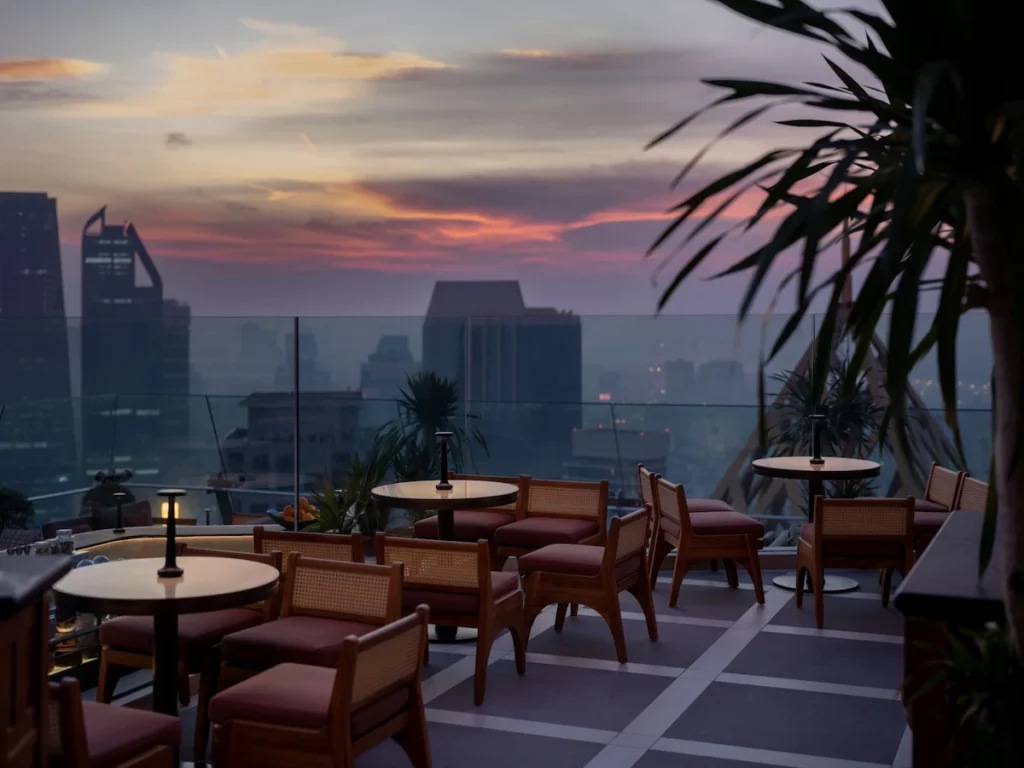
After a five-year reconstruction, the legendary Dusit Thani Bangkok has made its triumphant return, reclaiming its spot as a landmark hotel overlooking the lush greenery of Lumpini Park. The original hotel, which first opened its doors in 1970, was a symbol of Thai elegance and hospitality. The new 39-floor tower meticulously honors this heritage while introducing contemporary design and state-of-the-art amenities.
The reimagined Dusit Thani offers 257 spacious rooms, many featuring expansive floor-to-ceiling windows that provide breathtaking, uninterrupted views of the park. The hotel’s design by André Fu Studio ensures a luxurious and comfortable stay, with ample space for guests to relax.
Culinary enthusiasts will find themselves in a gastronomic paradise with a selection of three restaurants and four bars. The signature venues include Cannubi, a fine-dining establishment helmed by renowned chef Umberto Bombana, and the Spire Rooftop bar, which offers stunning city views in a sophisticated setting. The hotel also caters to families with a range of child-friendly activities and facilities, ensuring a welcoming experience for all travelers. The new Dusit Thani is part of a larger mixed-use development called Dusit Central Park, which will also feature luxury residences, office towers, and high-end retail.
For those willing to venture a few hours outside of Bangkok, the Khao Yai Art Forest offers a unique and thought-provoking escape. Spanning 161 acres, this sprawling park seamlessly integrates contemporary art into the natural jungle landscape. The initiative aims to raise awareness about environmental conservation through the lens of art, providing a tranquil and inspiring experience.

The park is home to striking sculptures and installations by celebrated artists like Louise Bourgeois and Francesco Arena. Bourgeois’s iconic giant spider sculpture, Maman, stands as a powerful centrepiece, creating a surreal and dramatic contrast against the dense foliage. Visitors can wander along trails, encountering pieces that are in harmonious conversation with their natural surroundings.
A unique feature is a private pavilion that hosts a six-seat cocktail bar, open monthly for a select few to enjoy an exclusive, intimate experience blending art and mixology. Khao Yai Art Forest represents a new model for cultural spaces, offering a “roofless ecological art museum” where the boundary between human creativity and nature dissolves.
The esteemed Aman brand, known for its serene, minimalist resorts in exotic locations, has debuted its second property in Thailand with the opening of Aman Nai Lert Bangkok. This urban sanctuary is a masterpiece of design, located in the heart of the city and enveloped by the tranquil greenery of Nai Lert Park. The hotel’s architecture and interiors pay homage to the founder’s ancestors, featuring a triple-height lobby with a reflecting pool and traditional lanterns that create a sense of calm and grandeur.
Aman Nai Lert offers 52 exquisite suites, each meticulously designed to be a private haven for guests. The suites are exceptionally spacious, starting at 990 square feet, with the signature Aman Suite offering up to three bedrooms for larger parties. The property is a full-fledged wellness destination, featuring a sprawling spa, seven distinct dining venues, and a boutique open to the public. The design, by renowned architect Jean-Michel Gathy, masterfully blends traditional Thai aesthetics with Aman’s signature dramatic yet minimalist style.
The hotel’s dining options are a highlight, ranging from authentic Italian cuisine at Arva to Japanese specialities at Sesui and Hiori. This property provides an unparalleled experience of luxury and tranquillity, offering a peaceful retreat from the city’s energy while providing easy access to its vibrant attractions.
Bangkok’s urban development has reached a new pinnacle with the creation of One Bangkok, a massive integrated district that redefines the city’s skyline. This ambitious project, designed by renowned architectural firm Skidmore, Owings & Merrill (SOM) and developed by Frasers Property, is a city within a city. It comprises over 160,000 square meters of retail space, five hotels, luxury residences, and green boulevards.
The district is envisioned as a central hub for business, leisure, and culture, with public art installations, meticulously designed parks, and vibrant plazas that invite interaction and exploration. One Bangkok is a testament to sustainable urban planning, incorporating eco-friendly features and dedicating a significant portion of its area to green spaces, creating a seamless connection to the nearby Lumpini Park.
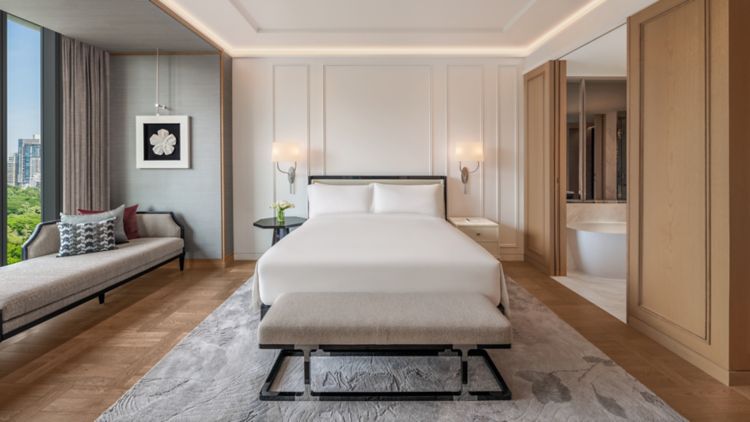
Within the One Bangkok complex, a new benchmark for luxury hospitality has been set by the opening of The Ritz-Carlton Bangkok. This hotel represents the brand’s first foray into the Thai capital and offers a sophisticated and opulent experience for discerning travellers. The rooms are designed with a serene, neutral palette, featuring marble bathrooms and, in some cases, private balconies that offer stunning views of Lumpini Park.
The dining scene at The Ritz-Carlton is a major draw, with a variety of exceptional venues. Duet, a restaurant by celebrated chef David Toutain, promises a memorable culinary journey, while Lily’s offers a more relaxed yet elegant dining experience. The hotel’s Caleō bar is a perfect spot for cocktails and socialising.
Catering to a diverse clientele, the hotel features a dedicated Ritz Kids Club for children aged 3 to 12, ensuring a fun and engaging stay for younger guests. The spa is a sanctuary of wellness, offering a range of treatments that blend mindfulness with traditional Thai techniques. The Ritz-Carlton Bangkok’s presence within the dynamic One Bangkok district makes it an ideal base for exploring the city’s new core while enjoying the highest standards of luxury and service.
These new destinations—from the fashion-forward Dior Gold House to the serene Aman Nai Lert and the integrated urban environment of One Bangkok—are collectively positioning Bangkok as an even more vibrant and multifaceted urban destination. They offer a diverse array of experiences, attracting a new generation of travellers seeking a blend of cultural immersion, luxury, and modern innovation. A visit to Bangkok today is an opportunity to witness a city in a state of thrilling transformation, where every corner holds a new discovery.
Will TAG Heuer’s Carbon Hairspring Transform Watchmaking?
At Geneva Watch Days 2025, TAG Heuer announced a discovery that has the potential to transform the fundamental underpinnings of modern horology: the carbon hairspring, also known as the TH-Carbonspring. While it may appear to be a minor material alteration, it could represent a seismic shift in the realm of precision watchmaking.
This improvement does more than polish an old idea; it challenges centuries of convention, with the potential to create a new benchmark for accuracy, durability, and long-term performance in luxury mechanical timepieces.
The hairspring (also called a balance spring) is one of the most critical components in a mechanical watch. Attached to the balance wheel, it controls oscillations, ensuring the watch ticks at a precise rate. Without it, a watch would lose its ability to measure time consistently.
Traditionally, hairsprings were made of metal alloys such as Nivarox, developed in the early 20th century. Later, in the 2000s, silicon hairsprings emerged, bringing enhanced resistance to magnetism and changes in temperature—two of the biggest challenges in watch accuracy.
However, while silicon is widely praised for its stability, it is also brittle. Even though silicon hairsprings rarely crack, “almost never” is not good enough for an industry where collectors expect mechanical watches to last generations.
This is where TAG Heuer steps in. Instead of making silicon stronger, the brand has taken a radical leap forward by introducing a hairspring made from carbon nanotube-templated structures.
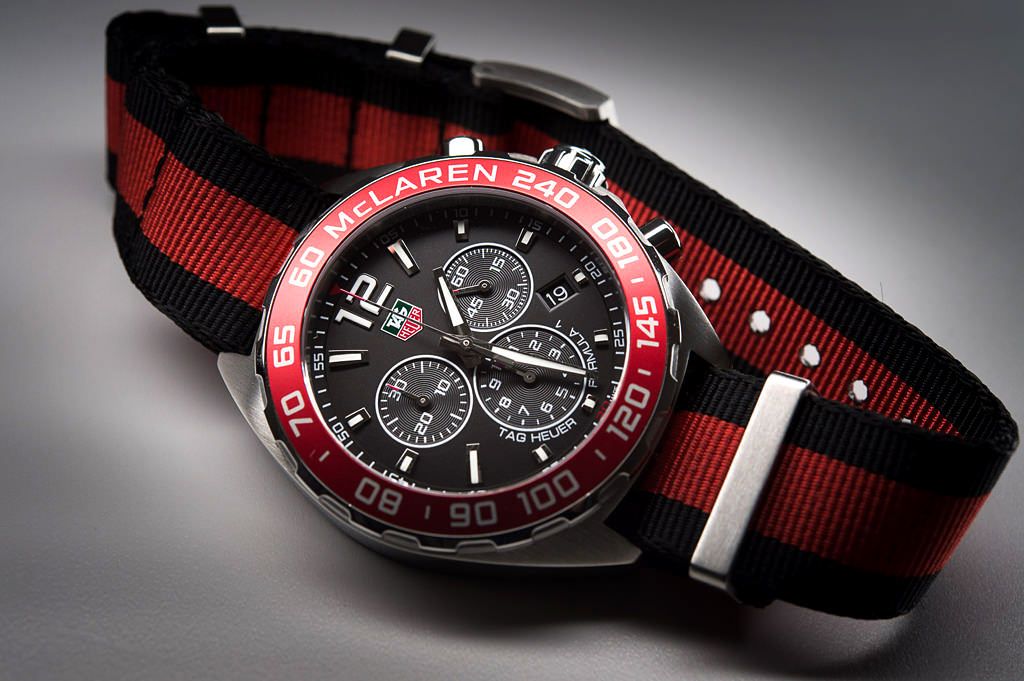
Carbon as a material offers distinct advantages over both metal and silicon:
In short, the TH-Carbonspring offers durability, accuracy, and versatility—three qualities that mechanical watches must balance to remain relevant in the age of smartwatches.
A Decade In The Making
This breakthrough was not achieved without some difficulty. TAG Heuer spent more than ten years creating the carbon hairspring, investing millions in research and overcoming numerous obstacles. There were times when the project seemed doomed, yet perseverance paid off.
Working with research into carbon-infiltrated, nanotube-templated structures, TAG Heuer engineers developed the procedure to mass-produce a hairspring that was not only functional but also reliable enough for full-scale production.
By 2025, the firm has finally released the technology in two limited-edition watches:
TAG Heuer Monaco Flyback Chronograph, TH-Carbonspring
TAG Heuer Carrera Chronograph Tourbillon Extreme Sport (TH-Carbonspring)
Both timepieces serve as testing grounds for a technology that could eventually extend throughout the TAG Heuer lineup—and possibly the entire watch industry.
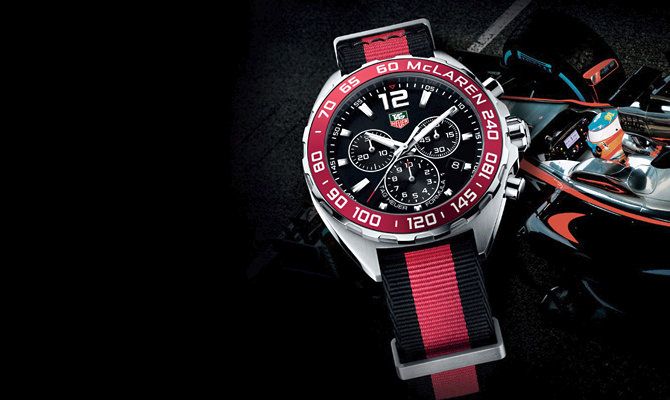
This model ties TAG Heuer’s racing heritage to cutting-edge technology, embodying both tradition and forward-thinking design.
2. TAG Heuer Carrera Chronograph Tourbillon Extreme Sport TH-Carbonspring
Together, these models represent the first step in introducing the TH-Carbonspring to the world, combining heritage aesthetics with futuristic engineering.
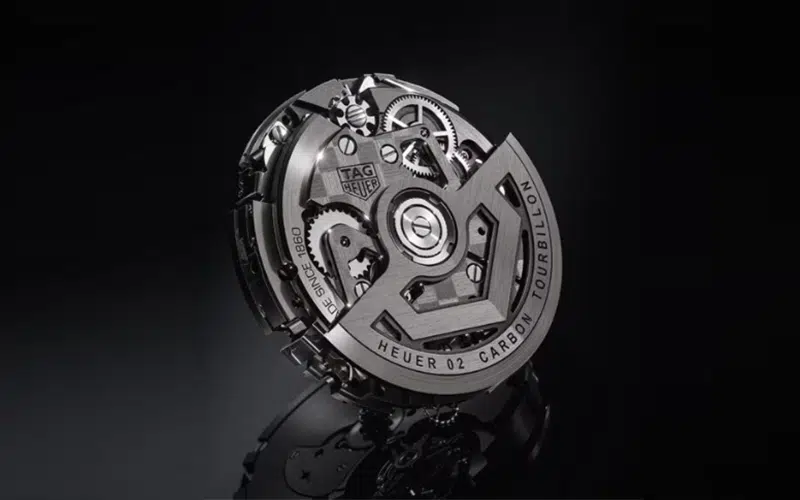
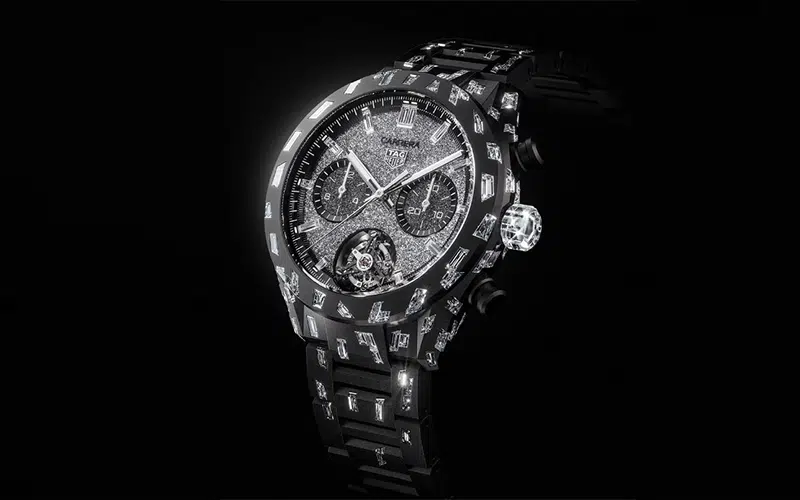
Historical Significance: From Huygens to TAG Heuer
The hairspring’s history dates back to Christiaan Huygens in the 17th century, who introduced the balance spring concept to regulate mechanical watches. For centuries, alloys like steel and Nivarox dominated. In the 21st century, silicon emerged as the revolutionary alternative.
Now, in the 2020s, TAG Heuer’s carbon hairspring may mark the next evolutionary leap, bridging traditional horology with nanotechnology.
This places TAG Heuer in the company of industry leaders such as Omega, Rolex, and Patek Philippe—brands that also innovate with hairsprings but rely heavily on silicon. By going in an entirely different direction, TAG Heuer sets itself apart as a true disruptor.
Patents and Industry Implications
TAG Heuer has filed four patents for its TH-Carbonspring technology, protecting its research and ensuring exclusivity. While it will initially remain limited to high-end models, the potential for industry-wide adoption is real.
Much like silicon transformed watchmaking in the early 2000s, carbon could redefine what collectors expect in terms of accuracy and resilience. Other brands may follow, but TAG Heuer has established itself as the pioneer.

Collector Value and Exclusivity
The first two models with TH-Carbonspring technology are limited to just 50 pieces each. For collectors, this scarcity adds significant value. Early adopters are not just purchasing watches—they are securing pieces of horological history.
Over time, the Monaco Flyback Chronograph and Carrera Tourbillon Extreme Sport may become reference points, much like early silicon-equipped models are now considered milestones.
The Role of Watch Winders in Preserving TH-Carbonspring Watches
Enthusiasts often ask: if a watch is not worn daily, how can its movement remain precise? The answer lies in watch winders, which keep automatic movements running smoothly.
For TAG Heuer’s new models:
Pairing the TH-Carbonspring watches with a high-quality winder ensures that precision is preserved even when the watch rests off the wrist.
Future of Carbon Technology in Watchmaking
TAG Heuer has already intimated that the carbon hairspring is only the beginning. Complementary technologies are being developed, which could lead to carbon-based escapements, wheels, or perhaps complete oscillator assemblies.
This could result in more cheap versions adopting the technology.
Sports watches are becoming more durable than ever before.
Tourbillons and haute horlogerie items benefit from increased precision.
The impact on the industry could be significant, impacting not only TAG Heuer’s collections but also inspiring other Swiss brands to experiment with carbon nanostructures.
Why the Carbon Hairspring Matters
True innovations are rare in the premium watchmaking industry. Many “new” products focus on aesthetics, limited editions, or pre-existing difficulties. The introduction of the TH-Carbonspring is unique.
It represents:
A fundamentally different approach to time regulating in mechanical timepieces.
A link between tradition and nanotechnology.
A landmark that collectors, horologists, and brands will examine for decades.
TAG Heuer is giving more than just a novelty; it may have introduced the mechanical watch’s future heartbeat.
The debut of TAG Heuer’s carbon hairspring at Geneva Watch Days 2025 may be the decade’s most significant horological development. By overcoming silicon’s shortcomings while providing improved longevity, magnetism resistance, and performance, the TH-Carbonspring establishes TAG Heuer as a true pioneer in modern watchmaking.
It remains to be seen whether this technology will spread throughout the industry, but one thing is certain: the Monaco Flyback Chronograph TH-Carbonspring and Carrera Tourbillon Extreme Sport TH-Carbonspring are more than just limited editions; they represent the next chapter in watchmaking.
For collectors and aficionados, this is like standing on the verge of a new age. TAG Heuer’s carbon hairspring, similar to the creation of the balancing spring in the 17th century and the adoption of silicon in the 21st, may be recognized as the innovation that redefined precision for the 22nd century.
Pandora’s latest boutique opening at London Gatwick Airport’s South Terminal on August 15, 2025, marks far more than a retail expansion. It is a tangible step in the brand’s ambitious “Phoenix” strategy—a global blueprint designed to elevate brand desirability, attract new generations, and position Pandora at the forefront of accessible luxury.
Unlike a standard store launch, this new boutique embodies three critical pillars shaping the future of travel retail: sustainability, hyper-personalisation, and immersive experiences. In an environment where over 43 million travellers pass through annually, Pandora is using the airport stage as both a high-traffic sales channel and a powerful brand-building platform.
Pandora’s “Phoenix” strategy rests on four pillars:
The Gatwick boutique, following the Manchester Airport store and ahead of a planned London Luton opening, represents a calculated expansion across the UK—one of the world’s most critical travel hubs.
More than a shop, the boutique is a living billboard, instantly showcasing Pandora’s modern identity to a global audience. For international travellers who may never have encountered the brand, Gatwick offers a memorable introduction. By aligning with a traveller’s “forced dwell time,” Pandora transforms waiting into experiencing.
The store is strategically located post-security, ensuring convenience for passengers on the move. The interior blends sleek, modern design with a subtle travel motif, designed for swift but immersive shopping.
Key highlights include:
This personalisation feature is central to Pandora’s retail vision: moving beyond transactions to create lasting memories.
Pandora is setting itself apart by making sustainability non-negotiable. The company reached its 2025 target ahead of schedule—crafting jewellery from 100% recycled gold and silver. This reduces emissions by approximately 58,000 tonnes of CO2 annually.
Further, Pandora’s use of lab-grown diamonds created with 100% renewable energy reduces the carbon footprint by up to 95% compared to mined diamonds. These are not vague commitments but measurable achievements, helping Pandora resonate with Gen Z and Millennial consumers who increasingly choose brands aligned with their values.
In an industry often criticised for opaque sourcing, Pandora’s transparent, data-backed sustainability claims place it in a leadership position.
Luxury has long been associated with bespoke experiences reserved for the ultra-wealthy clientele. Pandora challenges this notion with accessible personalisation.
For today’s travellers—who often prioritise experiences over possessions—this approach reframes luxury as a memory to carry home.
While many luxury houses lean on AR try-ons and digital immersion, Pandora doubles down on a tactile, human-centred experience. Engraving is not just personalisation; it is co-creation.
This service also unlocks invaluable first-party data. Each engraving carries personal meaning, offering insights into customer motivations—birthdays, anniversaries, or travel milestones. Compared to generic online analytics, this data is deeply authentic and directly informs future product development and targeted campaigns.
Pandora’s opening coincides with Gatwick Airport’s £7.5 million refurbishment of its South Terminal lounge, which includes brighter lighting, expanded seating, and new quiet zones.
This investment signals a transformation: airports are no longer mere transit hubs but curated shopping destinations. For Pandora, this translates into more relaxed, receptive travellers—and higher sales opportunities.
Pandora’s positioning is unique within Gatwick’s retail ecosystem. Alongside Harrods and Ernest Jones, which cater to ultra-luxury consumers with brands like Cartier, Tiffany, Gucci, and Omega, Pandora sits in the accessible luxury niche.
The difference is clear:
Pandora’s transparent sustainability commitments—from recycled metals to renewable diamonds—set it apart in a values-driven battleground.
The global airport retail market is projected to reach US$67 billion by 2032 with an 11% CAGR. With Gatwick alone serving over 43 million passengers annually, Pandora’s move positions it to capture a significant slice of this growth.
Demographics strengthen the case:
Behind the boutique’s experiential front is a robust digital infrastructure. Pandora leverages tools like Oracle NetSuite for supply chain management, inventory visibility, and financial automation.
The key is integration:
In essence, every engraving is not just a product—it’s a datapoint fueling long-term loyalty.
To evaluate the Gatwick blueprint, Pandora should track:
Pandora’s Gatwick launch reflects a broader shift in airport retail. The next era will be defined by:
For Pandora:
For Competitors (Harrods, Ernest Jones, etc.):
Pandora’s Gatwick boutique is more than a store, it is a strategic prototype for the future of airport retail. By combining sustainability, personalization, and experience, the brand is redefining accessible luxury for a new generation of global travelers.
In a market where consumers increasingly demand products with purpose and experiences worth remembering, Pandora has positioned itself not just to participate in the airport retail boom—but to lead it.

