5 Aged Luxury Tequilas

Tequilas, in all its forms and types, is often considered being one of the most popular Mexican exports. Its popularity continues to grow worldwide, with new specialties springing up everywhere tequila is made.

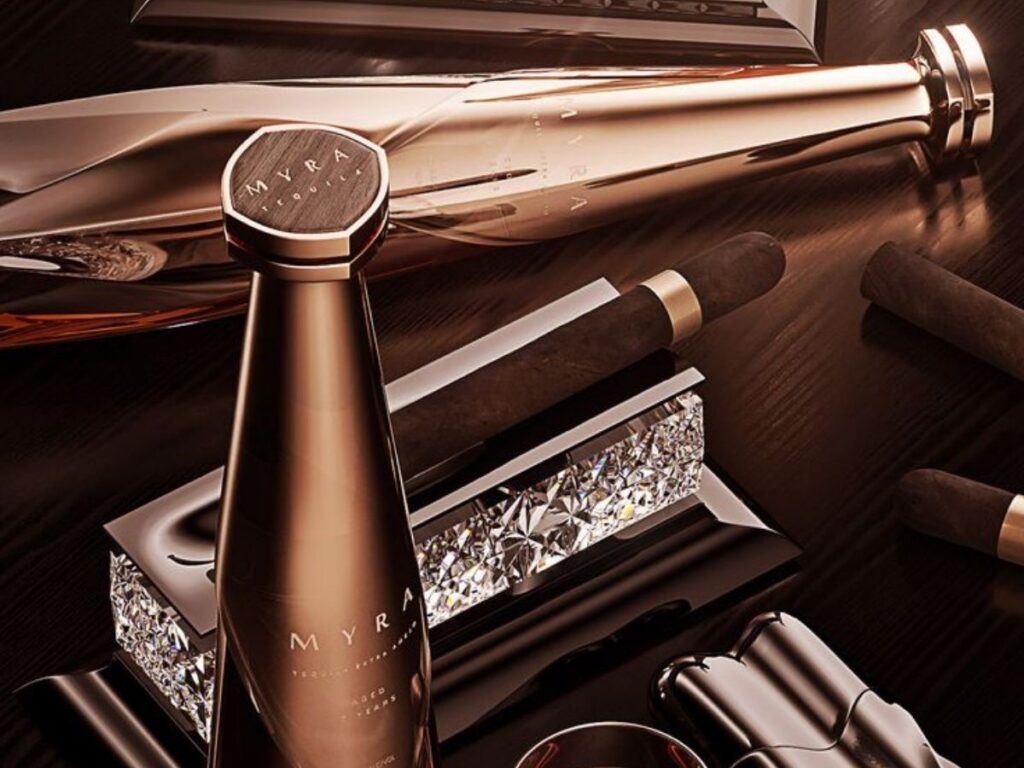
One of these types is “Aged Tequilas” which are classified according to their aging process and the type of wood used for maturation. Like wine, tequilas are aged in wooden casks, giving them their unique flavor characteristics.

Tequilas can be divided into three major categories depending on how they are aged:

 Traditional or Purist Tequilas

Made by blending multiple batches together before bottling, no additives are allowed except water to reduce proof if necessary.

No Artificially Flavored Tequilas

Made by blending multiple batches together before bottling, no additives are allowed except water to reduce proof if necessary.

Artificially Flavored Tequilas

Made by adding flavors and/or sweeteners after distillation or maturation, artificial flavorings are often used in order to reproduce various taste characteristics. 

Of the three types of tequila, only traditional tequilas are 100% agave with no additives. Aged tequilas have recently become immensely popular with introducing new brands, each with its own aging process and resulting flavor profile.

The most common methods for aging include:

Wood Aging

Most commonly used for lower-end aged tequilas and mixtos, resulting in a milder flavor with less agave character.

Sherry Aging

Known for imparting fruity notes like raisins and almonds along with a distinctive color.

Secondary Aging

The method most commonly used by the well-aged tequilas, aging is usually achieved by blending old batches of tequila with newer ones to create more complex flavors.

So whether you are drinking your favorite 100% agave silver or prefer one of its high-end premium counterparts – no matter what kind, remember that each has its own unique characteristics waiting to be discovered!

Below are Five Types of Best Aged Tequilas

Patron Extra Anejo 10 Anos
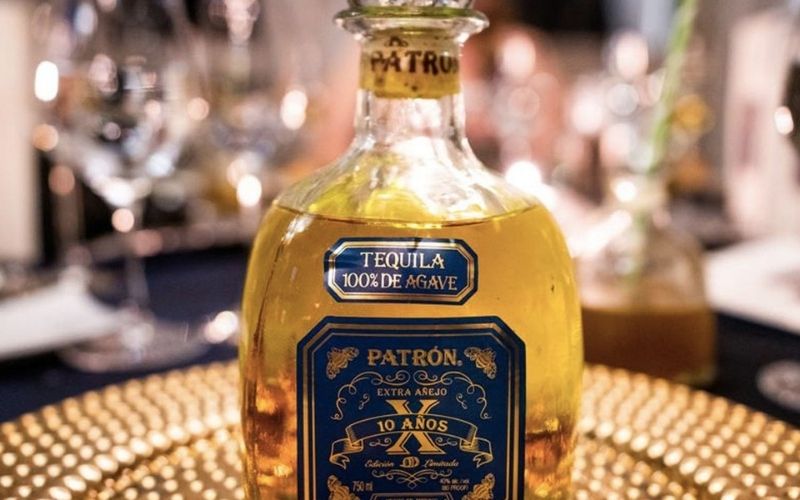
Patron Extra Anejo 10 Anos | Twitter

An exceptional tequila, Patron’s extra Anejo is aged for ten years in American oak. The result is a light amber color and soft vanilla flavors balanced with hints of caramel, figs, and almonds.

Patron Anejo is created by blending multiple batches before bottling. As a result, this tequila has a very smooth finish and is ideal for sipping or mixing in premium cocktails.

The brand which is considered the oldest release is with limited availability will be available in specialty liquor stores.

Patron Extra Anejo is 100% agave tequila; the name Anejo means “aged” or “vintage.” While some lower-end brands use wood chips to artificially age their products, others like Patron take the time and expense required to ensure that their product matures gracefully for years.

Patron Añejo is aged for one year in American oak barrels, followed by ten years in used bourbon barrels from Jack Daniels. This process results in a deep amber color and soft vanilla flavors balanced with hints of caramel, figs, and almonds. Like all tequilas from this top-shelf brand, Patron’snejo is blended before bottling.

John Paul DeJoria, an entrepreneur best known for the Paul Mitchell hair care products empire, originally launched the Patron line. He co-founded the Patrón Spirits Company with Martin Crowley in 1989 and continues to be involved in all aspects of the company.

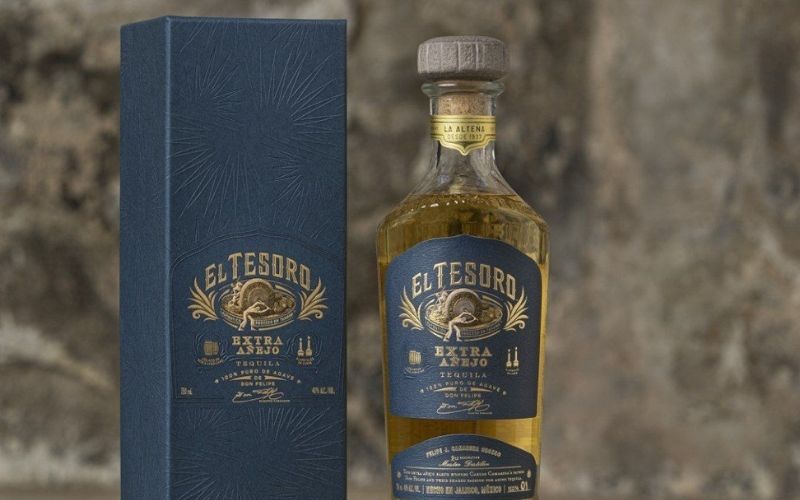
El Tesoro Extra Anejo
Tequilas
El Tesoro Extra Anejo | Image Source – Pinterest

El Tesoro has been importing tequila into the US since 1947. As of February 2010, it has become one of only six tequilas with this distinction.

Until recently, the company was best known for its classic line of silver, reposado, and Anejo tequilas. But earlier this year, El Tesoro released an extra-añejo expression that is aged in bourbon barrels for four to five years before bottling. Bottles are selling at $100 around, but you can find them online for less than half that price. El Tesoro’s logo is distinctive; two green serpents surround the name on either side “La Serpiente” with a crown above and a sword below.

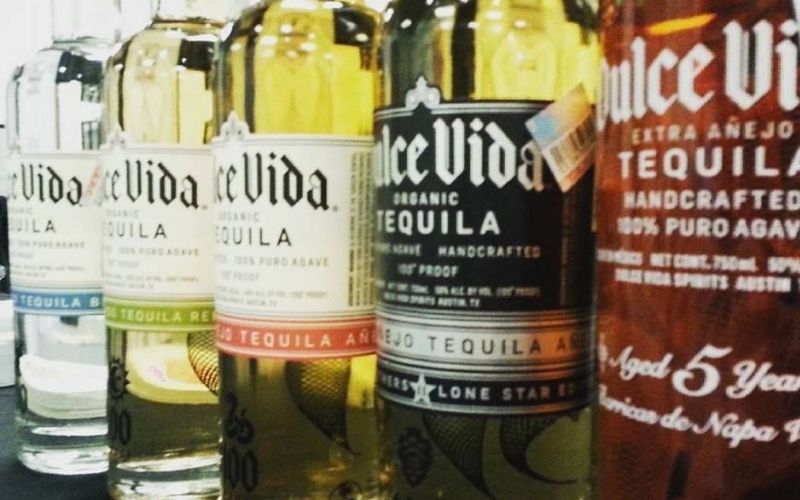
Dulce Vida Extra Anejo
Tequilas
Dulce Vida Extra Anejo | Image Source – Pinterest

Dulce Vida is a brand of 100% agave tequila introduced to the US in 2006. It has three expressions; an extra-Anejo, reposado, and silver (Blanco) tequila

The extra-añejo expression is aged for four years or more before bottling, resulting in a reddish-amber color and imparting flavors like dried cherry and cinnamon that complement the vanilla and spicy agave character.

Dulce Vida’s name means “sweet life” in Spanish, most likely referencing their slogan: “Live La Dulce Vida.” The company was founded by four partners working with distiller Maria Teresa Lara Lopez, who works closely with Carlos Camarena at his distillery in Mexico. Reposado and white (silver) expressions were introduced in 2009 and 2010, respectively, and can be found online for between $50 and $60 per bottle.

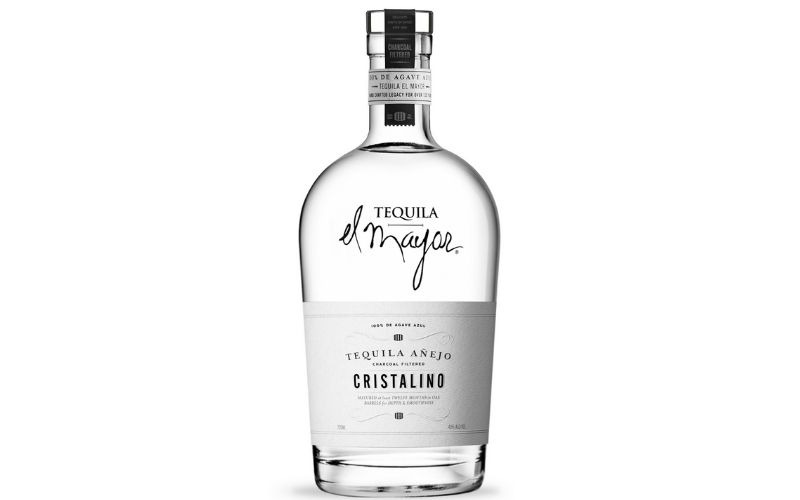
El Mayor Cristalino
Tequilas
El Mayor Cristalino | Image Source – Pinterest

El Mayor is a 100% agave tequila created by the Camarena family. It began as a small distillery in the town of Arandas, about 90 miles northwest of Guadalajara, almost five decades ago.

As growth continued to skyrocket, El Mayor expanded into new facilities that include their own bottling facility on-site.

The newest addition to the El Mayor family of tequila is this cristalino expression. This is a blend of Anejo tequila that was aged for a minimum of 12 months before being charcoal filtered to remove color while leaving the flavor. It looks like a crystal clear silver tequila but has the rich flavor profile of aged tequila.

Though this cristalino expression is being marketed as a sipping tequila, I am sure bartenders will put it to good use in premium cocktails. It might even be a splendid choice for adding some sweetness without adding color. Just add some simple syrup or agave nectar and ¡voila! You have an extra special margarita on your hands.

El Mayor’s logo is distinctive; two green serpents surround the name on either side, “La Serpiente”, with a crown above and a sword below.

Pasote Tequila Extra Anejo
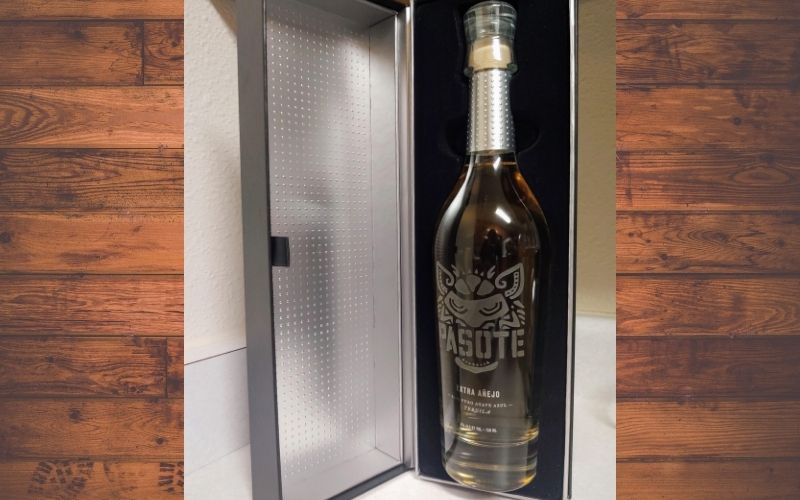
Pasote Tequila Extra Anejo | Image Source – Reddit

Pasote is a high-end tequila imported from Mexico by the Sazerac Company, which also imports Buffalo Trace Bourbon. Pasote Tequila extra-Anejo is handmade in Jalisco, Mexico using agaves grown at the base of the extinct volcano known as Sierra del Tigre. The tequila is distilled in a copper pot, stills using both rainwater and spring water. It’s then aged for four years in ex-bourbon barrels in underground caves.

The color of this luxury tequila is light compared to other extra-añejos. This might be because of aging less time or perhaps it’s because of some filtration that occurs either before or after bottling. Either way, Pasote’s flavor is vibrant with notes of honey, mango, and a bit of spice and black pepper that pop on the palate. At $100+ per bottle, it may be expensive, but the quality matches the price.

To sum up, aged luxury tequilas have a reddish-amber color and impart flavors like dried cherry and cinnamon that complement the vanilla and spicy agave character. They also have complex flavor profiles which are only achieved by being in a barrel for a long time, mellowing out the tequila, giving it a rich body with a sweet finish. Luxury aged tequilas are great for sipping tequilas because of their layers of complexity, but can also be used in cocktails to add some sweetness without adding color.

Read More On: Massive Luxurious Truffles
Trending Stories

Luxury Travel Trends Are Reshaping How Affluent Travelers Experience the World Classic Vacations has unveiled insights from its first-ever luxury travel trends report, offering a detailed look at how high-end travelers are redefining the way they journey. Drawing from survey responses provided by travel advisors affiliated with major consortia such as Travel Leaders Network, Virtuoso, and Signature, the report reveals a strong move away from traditional tourism toward more thoughtful, experience-driven travel. The findings point to a growing desire among affluent travelers to prioritize meaning, intention, and personal connection over checklist sightseeing. According to Classic Vacations CEO Melissa Krueger, advisors are increasingly observing a shift in how luxury clients approach travel, with many intentionally stepping outside standard itineraries and familiar destinations. Krueger noted that today’s luxury traveler is no longer motivated by prestige alone but by experiences that feel deeply personal and emotionally resonant. Advisors, she said, are seeing travelers seek journeys that align with their values, interests, and life stories. One of the most prominent trends highlighted in the report is the rise of “whycations.” These purpose-driven trips focus on personal significance rather than volume of attractions. Travelers are opting for longer stays, immersive cultural experiences, and understated luxury accommodations that encourage genuine engagement with a destination. Within this movement, heritage and roots travel has gained momentum, as travelers embark on multigenerational trips to ancestral homelands to reconnect with shared histories and identities. Wellness travel continues to expand, evolving into what advisors describe as “hushpitality.” These low-sensory experiences prioritize tranquility, nature, and mental renewal. Travelers are seeking escapes that minimize noise and digital distractions, embracing concepts such as “dead zoning,” which promotes device-free travel. Ocean-centered “blue-mind” retreats and “glow-cations” centered on spa therapies and self-care are also growing in popularity, offering restorative experiences designed to leave travelers feeling renewed. Customization has become an expectation rather than a luxury add-on. Personalized itineraries now commonly include refined micro-luxury elements such as premium suite accommodations, private airport transfers, and highly tailored experiences. Trends like “suite-cations” and short but impactful “micro-cations” reflect travelers’ desire for elevated comfort and exclusivity, even within shorter travel windows. Group travel is also undergoing a transformation. Rather than large, generic group tours, travelers are favoring shared experiences that feel intimate and purposeful. “Bestie-moons,” buddy-moons, and trips centered around concerts or sporting events are gaining traction, blending celebration with connection. Families are embracing “kidfluence,” allowing children to help shape travel plans, while skip-generation trips continue to appeal to grandparents seeking meaningful time with their grandchildren. Rounding out the trends is a renewed YOLO mindset driving travelers to finally pursue long-held bucket-list destinations. Fueled by lingering post-pandemic urgency, many travelers are adopting a “why wait?” attitude, choosing to act on travel dreams rather than postponing them indefinitely. Together, these trends illustrate a clear evolution in luxury travel—one defined not by extravagance alone, but by intention, personalization, and experiences that leave a lasting emotional imprint.

Classic Vacations has unveiled insights from its first-ever luxury travel trends report,

Recent Posts

Luxury Travel Trends Are Reshaping How Affluent Travelers Experience the World Classic Vacations has unveiled insights from its first-ever luxury travel trends report, offering a detailed look at how high-end travelers are redefining the way they journey. Drawing from survey responses provided by travel advisors affiliated with major consortia such as Travel Leaders Network, Virtuoso, and Signature, the report reveals a strong move away from traditional tourism toward more thoughtful, experience-driven travel. The findings point to a growing desire among affluent travelers to prioritize meaning, intention, and personal connection over checklist sightseeing. According to Classic Vacations CEO Melissa Krueger, advisors are increasingly observing a shift in how luxury clients approach travel, with many intentionally stepping outside standard itineraries and familiar destinations. Krueger noted that today’s luxury traveler is no longer motivated by prestige alone but by experiences that feel deeply personal and emotionally resonant. Advisors, she said, are seeing travelers seek journeys that align with their values, interests, and life stories. One of the most prominent trends highlighted in the report is the rise of “whycations.” These purpose-driven trips focus on personal significance rather than volume of attractions. Travelers are opting for longer stays, immersive cultural experiences, and understated luxury accommodations that encourage genuine engagement with a destination. Within this movement, heritage and roots travel has gained momentum, as travelers embark on multigenerational trips to ancestral homelands to reconnect with shared histories and identities. Wellness travel continues to expand, evolving into what advisors describe as “hushpitality.” These low-sensory experiences prioritize tranquility, nature, and mental renewal. Travelers are seeking escapes that minimize noise and digital distractions, embracing concepts such as “dead zoning,” which promotes device-free travel. Ocean-centered “blue-mind” retreats and “glow-cations” centered on spa therapies and self-care are also growing in popularity, offering restorative experiences designed to leave travelers feeling renewed. Customization has become an expectation rather than a luxury add-on. Personalized itineraries now commonly include refined micro-luxury elements such as premium suite accommodations, private airport transfers, and highly tailored experiences. Trends like “suite-cations” and short but impactful “micro-cations” reflect travelers’ desire for elevated comfort and exclusivity, even within shorter travel windows. Group travel is also undergoing a transformation. Rather than large, generic group tours, travelers are favoring shared experiences that feel intimate and purposeful. “Bestie-moons,” buddy-moons, and trips centered around concerts or sporting events are gaining traction, blending celebration with connection. Families are embracing “kidfluence,” allowing children to help shape travel plans, while skip-generation trips continue to appeal to grandparents seeking meaningful time with their grandchildren. Rounding out the trends is a renewed YOLO mindset driving travelers to finally pursue long-held bucket-list destinations. Fueled by lingering post-pandemic urgency, many travelers are adopting a “why wait?” attitude, choosing to act on travel dreams rather than postponing them indefinitely. Together, these trends illustrate a clear evolution in luxury travel—one defined not by extravagance alone, but by intention, personalization, and experiences that leave a lasting emotional imprint.

Join the LUXURIOUX world, and discover a new level of opulence. Our editors and writers are dedicated to finding what is truly the best in class across many facets of life. Experience the finest things only your imagination and money can afford.

    By clicking "SUBSCRIBE" , you agree to receive marketing emails from LUXURIOUX