Once seen as the undisputed king of electric vehicles (EVs), Tesla is now facing a seismic shift in the automotive landscape. While the company’s name has long been synonymous with electric mobility, a new wave of competition from established automakers is challenging its dominance. This dynamic is particularly evident in the highly competitive and fast-growing electric SUV segment, where traditional powerhouses like BMW and Mercedes-Benz are making significant strides with new, compelling models.
Tesla’s reign, which once saw it command over 80% of the U.S. EV market, is showing signs of erosion. According to data from the research firm Cox Automotive, its market share plummeted to 38% in August, the lowest since 2017. This decline isn’t due to a drop in EV interest; in fact, U.S. electric car sales grew by more than 24% in July as consumers embraced federal tax credits and discounts. The issue is that Tesla’s growth is no longer outpacing its competitors, with sales increasing by only 7% in the same period. This trend is even more pronounced in Europe, where Tesla’s deliveries have dropped by approximately one-third this year.
The New Challengers: BMW and Mercedes-Benz
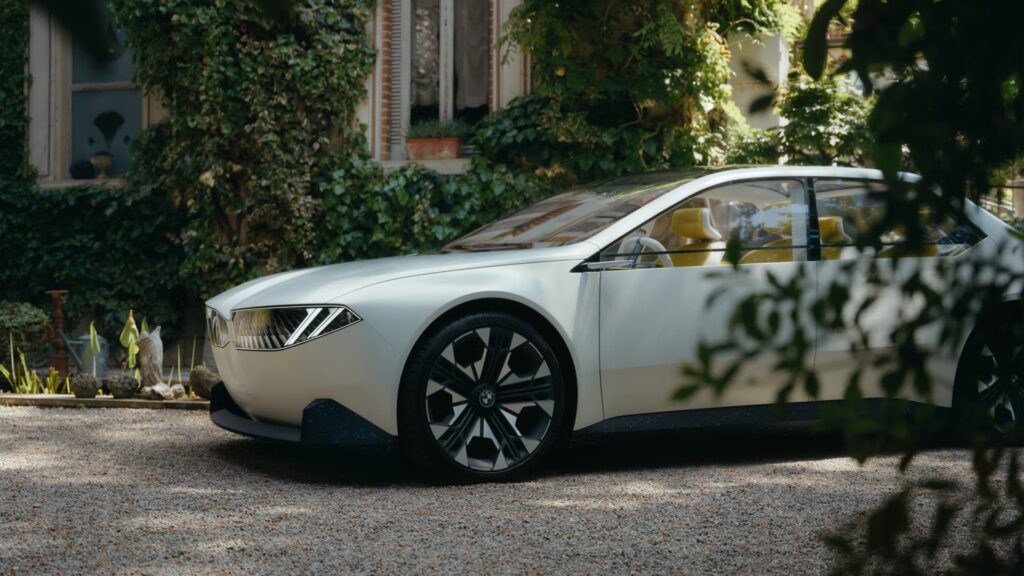
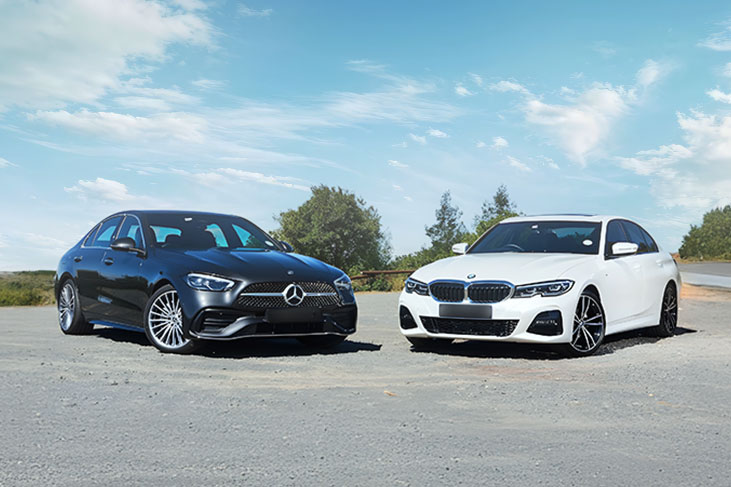
The launches of the BMW iX3 and the electric version of the Mercedes-Benz GLC mark a strategic and direct assault on Tesla’s most popular model, the Model Y. These new entrants are not just electric; they are designed to compete on a new level, prioritizing performance, luxury, and advanced technology.
A key differentiator is the driving range. Early testing has shown the iX3 can achieve a range of up to 497 miles on a single charge, and the new GLC reaches an impressive 457 miles. These figures stand in stark contrast to the updated long-range version of the Tesla Model Y, which offers a range of just 387 miles. This extended range addresses one of the primary concerns for potential EV buyers—range anxiety—and gives these legacy brands a significant competitive edge.
The CEO of BMW, Oliver Zipse, described the launch as a “once-in-a-lifetime moment,” highlighting the complete reimagining of the brand for the electric era. This focus on ground-up design and strategic innovation positions these new models as more than just electric alternatives; they are high-end, technologically sophisticated vehicles in their own right.
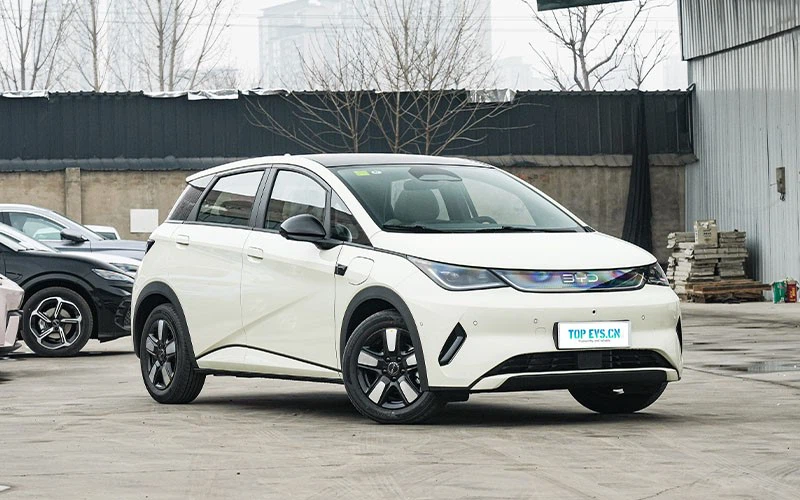
The competition isn’t limited to European rivals. Chinese manufacturers are also making a major push, especially in Europe, with a focus on lower-priced SUVs and advanced digital features. The industry giant BYD has already overtaken Tesla in European sales this year, with its deliveries surging by 225% in July. The Chinese brand’s success is a clear indicator that the market is diversifying and that consumers are open to new players that offer a compelling value proposition.
Beyond performance, the battle for dominance is increasingly being fought on the technological front. Both BMW and Mercedes are forging partnerships with leading U.S. tech firms to enhance their digital ecosystems.
- BMW is collaborating with Qualcomm to improve its in-car digital experience.
- Mercedes-Benz has partnered with Nvidia and is integrating AI from Google and OpenAI to power its virtual assistants.
These collaborations underscore a strategic shift for traditional automakers, who are no longer just building cars but are creating integrated digital platforms. The goal is to compete directly with Tesla’s reputation for software innovation and its “robotics, AI company” identity. As Stephanie Valdez Streaty, director of industry insights at Cox Automotive, noted, “When you’re a car company, when you don’t have new products, your share will start to decline.” This new product push, combined with aggressive pricing and marketing, is clearly paying off for legacy manufacturers.
While the new offerings from BMW and Mercedes-Benz are technologically impressive, they come with a higher price tag. The BMW iX3 is expected to cost around $80,000 in Germany, significantly more than the $60,000 starting price for a long-range Tesla Model Y. This price difference could be a barrier for some consumers, but it also reflects the luxury and advanced features that these brands are known for.
Despite the challenges posed by new market entrants, it’s worth noting that these new launches may not intimidate everyone. As industry consultant Steve Fowler pointed out, the new models may not be enough to “make the Chinese scared,” suggesting that the global EV market will become even more fragmented and competitive.
The electric car market is evolving rapidly. Tesla’s early lead has created a fertile ground for innovation and competition. While the company’s market share may be shrinking, its pioneering efforts have paved the way for a new generation of high-performance, technologically advanced EVs from both traditional and new players. The next chapter in the EV story will be defined by this intense competition, where brands vie for consumer loyalty not just with performance and range, but with a seamless fusion of luxury, technology, and design.