Cruising is no longer the preserve of the retired. In 2025, the cruise industry is being transformed, with Gen Z and millennials driving high demand, even as the travel industry at large is performing poorly.
Thom Puiman is a 35-year-old who went on his first cruise in the middle of the pandemic, on a cruise-to-nowhere around Singapore. It is the sense of normalness that he says he began to love taking cruises.
UK travel association Abta conducted a survey of almost a fifth of 25- to 34-year-olds who had been on a cruise in the last 12 months, compared with less than 1 in 20 in 2019.
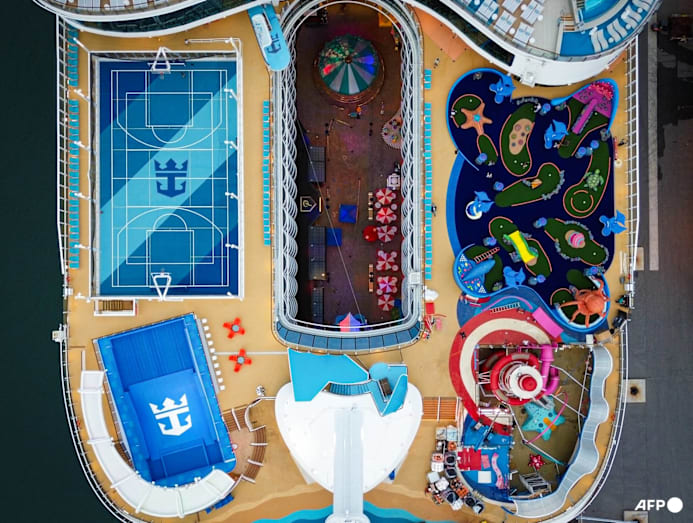
Analyst Sharon Zackfia says this change was initiated by Royal Caribbean Group to make cruising cool again. The company, which is currently valued at $70 billion, is trading at a price over 2x its pre-pandemic level.
Household spending by Americans on cruises increased by 9 percent in September compared with the same period in 2024, whereas aggregate travel expenditure declined by 2 percent. Bookings continued to rise, and Royal Caribbean, Carnival, and Norwegian increased their earnings guidance.
Lower Costs Drive Growth
Cruises have become more valuable than resorts. Cruise earnings per head have grown 24 percent in 2019 in the second quarter of 2025, whereas the US resort rates surged by 34 percent and the Caribbean rooms by 59 percent.
Caitlin Nixon, 28, spent £4,500, including flights, on a two-week Caribbean cruise. She adds that they did not want to waste money and would spend money visiting just one place.
Cruise operators are highly attracted to the Philippines and Indonesia, and wage solutions are not exposed to US and European hospitality standards.
Goldman Sachs analyst Lizzie Dove says that the pandemic was a curse and blessing in one. The operators have renovated booking systems, redesigned vessels, and created versatile schedules.
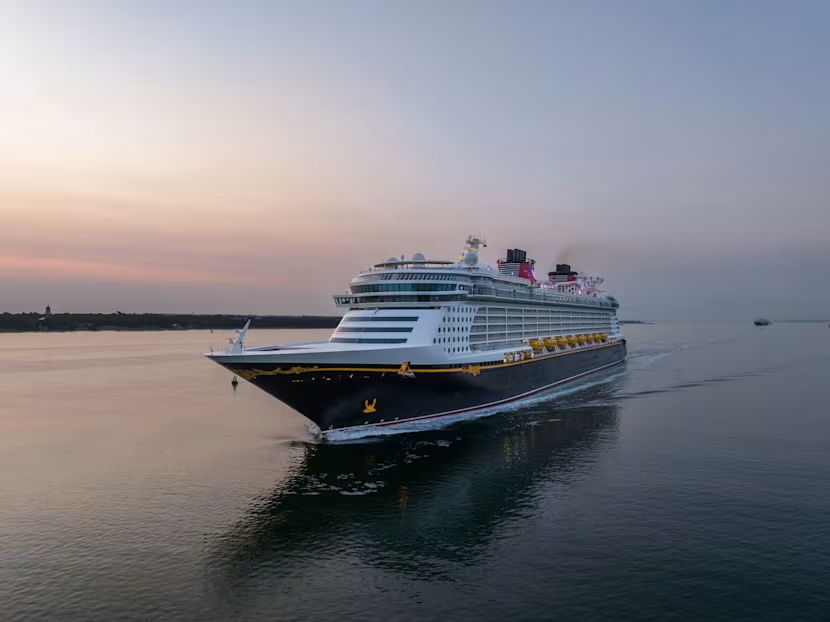
Since 2000, the world’s cruise liners have been doubling in size. The Icon of the Seas of Royal Caribbean is five times heavier than the Titanic.
Mega liners are now being used on short three- and four-night trips to entice first-timers and working professionals who have money but are very short of time, according to Anna Nash of MSC.
The Perfect Day at CocoCay, part of Royal Caribbean, reopened in 2019 with a $250 million upgrade. It is costing the company a private beach club in Santorini. Carnival is coming up with $600 million Celebration Key on the Grand Bahama.
Sightseeing sites can bypass port fees and avoid the pressure of overtourism. Cannes and Venice prohibited bigger cruise vessels, and Alaska will limit Juneau travellers starting next year.
Social Media Fuels Bookings
Instagram and TikTok are used to overcome the biggest barrier to attracting first-timers: the lack of knowledge about what a cruise is about, according to Carnival CFO David Bernstein.
Challenges Emerge
US travel agents are seeing fewer bookings due to the government shutdown, inflation, and Hurricane Melissa. Royal Caribbean’s stock fell by one-fifth following poor Q3 results, despite higher annual projections.
Executives’ efforts have shifted to increasing ticket prices. Bernstein, the president of Carnival, says he sincerely believes the company should charge more than land-based resorts.
Royal Caribbean CEO Jason Liberty admits there are economic pressures: consumers may be unwilling to pay as they did last year.
In 2024, the industry recorded almost 35 million passengers, a 9.7 per cent increase from 2023. However, maintaining growth and rising prices amid economic uncertainty will be the sector’s greatest challenge going forward.