Data gathered from the world’s leading hotel groups, travel companies and trend forecasters suggests that 2026 will be shaped by quieter escapes, AI-influenced itineraries, deeply personalised experiences and a renewed appetite for slower, more intentional travel.
Over recent months, analysts, behavioural experts and travel brands have been examining booking data, consumer habits and emerging cultural shifts to predict where the travel industry is heading next. From “coolcations” — a term that has already earned a place in the Collins Dictionary — to “flashpacking”, which describes an upmarket approach to backpacking, travel trends often arrive with awkward portmanteaus and tend to reflect broader lifestyle changes.
After reviewing the strongest predictions and most credible data, here are the seven key travel trends expected to shape 2026.
1. Quiet Over Everything
One trend is set to dominate travel in 2026: quietcations. Also referred to as hushpitality, this movement centres on silence, comfort and the desire to escape the constant pressures of modern life.
With an always-on digital culture colliding with a relentless stream of global news, many travellers are actively seeking places where they can disconnect. Hector Hughes, co-founder of Unplugged — a UK-based collection of digital detox cabins — says the shift has been unmistakable.

“When we launched Unplugged in 2020, digital detoxing and analogue living were practically unheard of,” Hughes explains. “Now, more than half of our guests say burnout and screen fatigue are their main reasons for booking.”
The pursuit of quiet is appearing in increasingly creative forms. In southern Sweden, Visit Skåne has introduced a Map of Quietude, ranking locations by decibel level to help travellers find the most peaceful spots. Meanwhile, Oregon’s Skycave Retreats offer guests three-day stays in cabins enveloped in complete darkness.
2. Gen AI Over Admin
Artificial intelligence will be even more deeply embedded in travel planning in 2026. Research from Amadeus shows a growing number of travellers already rely on generative AI tools to plan and book trips.
With major platforms such as Expedia and Booking.com integrating AI-powered assistants, travellers can now delegate much of the administrative burden of travel. Combined with real-time translation tools and mobile digital check-ins, technology is quietly removing many of the logistical frustrations that once defined travel.
However, this shift is not without challenges. Sustainability experts caution that algorithm-driven recommendations can intensify overtourism by steering travellers toward the same destinations. AI has also contributed to a rise in sophisticated travel scams, highlighting the need for more mindful use of these tools.
Jasmine Bina, cultural trends specialist and CEO of Concept Bureau, believes generative AI is changing how travel desires are articulated — not the motivations behind them.

“You might want to visit a resort to recover from burnout,” she says, “but instead of scrolling TikTok for inspiration, you’ll use ChatGPT to identify what kind of burnout you’re experiencing, which rituals or sensory inputs you respond to, and which destination best reflects your internal state.”
3. Trust Over Choice
Decision fatigue is emerging as a powerful force in travel behaviour. In response, experiences that remove choice altogether are gaining popularity.
In the Faroe Islands, sustainability-focused initiatives have introduced self-navigating cars, reducing decision-making while protecting fragile environments. Elsewhere, eliminating choice has become a tool for creating deeply restful holidays.
In Mendoza, Argentina, Susana Balboa’s Winemaker’s House & Spa Suites has launched a mystery travel option, offering curated surprises designed to relieve booking stress. In the cruise sector, mystery cruises — where passengers board without knowing the itinerary — are becoming increasingly sought after.
According to a trends report by travel PR firm Lemongrass, these curated experiences reflect growing cognitive overload and the exhaustion caused by constant micro-decisions, both at home and while travelling.
4. Roads Over Runways
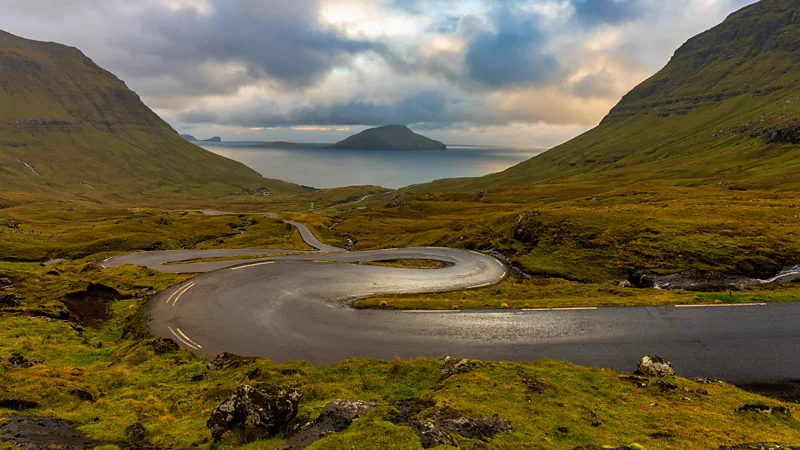
Road trips are poised for a resurgence in 2026. Hilton’s 2026 Trends Report highlights the global popularity of the hashtag #RoadTrip, which has accumulated more than 5.9 million tags worldwide.
While luxury travel specialists such as HunterMoss are reimagining road trips with Michelin-starred dining and curated lifestyle stops, many travellers are choosing driving holidays for a more pragmatic reason: cost.
Hilton’s research shows that 60% of British travellers plan to drive to their destination to save money. Milena Nikolova, chief behaviour officer at BehaviorSMART, notes that this trend carries a distinctly American flavour.
“The relationship between people and cars in North America and Europe is very different,” she explains, “which shapes attitudes toward driving for leisure.”
5. Ultra-Personalised Over One-Size-Fits-All
Standardised travel experiences are increasingly being replaced by hyper-personalised journeys. Specialist tours catering to specific life stages and emotional transitions have expanded rapidly in recent years.
These include retreats focused on divorce, grief and menopause, alongside marriage retreats and niche-interest trips such as racket sports holidays or insect-focused tours.
Bina sees this as a reflection of how modern life is experienced.

“Life has become an infinite scroll, with fewer clear rites of passage,” she says. “These retreats create a sacred pocket of time centred on intense emotions. They allow people to cross a threshold and emerge changed, which presents a huge opportunity for the travel industry to provide meaning on a deeper level.”
6. Off-Grid Over Tried-and-Tested
Overcrowded destinations are increasingly being rejected in favour of quieter, lesser-known regions. Nick Pulley, founder of tour operator Selective Asia, says many travellers — particularly those wary of Instagram-driven travel — are turning away from heavily filtered hotspots that rarely meet expectations.
As a result, interest is growing in destinations such as Toledo in Spain, Brandenburg in Germany and, for more adventurous travellers, Iraq. In the UK, reports from Lemongrass show a shift away from tourism-heavy counties like the Cotswolds and Cornwall toward regions such as Northumberland, Wales and Somerset.
Hilton’s research also points to a rise in curiosity-led travel, particularly among British travellers seeking personal growth, even at the expense of work. Authentic homestays in Nepal, underexplored regions of Italy and other under-touristed destinations with strong cultural identities are gaining appeal.
For Nikolova, this trend reflects how travel experiences now function as a form of social currency.

“Experiences today are tangible and long-lasting markers of status,” she says. “Adventure and off-grid travel are often associated with travellers who have moved beyond mass tourism and developed richer travel careers.”
7. Culture Over Hedonism
Literary travel, fuelled in part by #BookTok, is expected to continue growing in 2026, alongside “set-jetting” — travel inspired by film and television.
Hotels in destinations traditionally associated with nightlife are adapting by offering rare book collections, reading retreats, poolside libraries and themed literary stays. Several locations are predicted to surge in popularity, including Cornwall, where a new Harry Potter television series is being filmed; the Yorkshire Moors, featured in Emerald Fennell’s upcoming Wuthering Heights adaptation; and Greece, following Christopher Nolan’s adaptation of The Odyssey.
Bina describes literary travel as a form of modern catharsis.
“In periods of upheaval or uncertainty, people turn to fiction to explore their fears and desires,” she explains. “Fantasy surged during the world wars, science fiction during the space race, and mythic storytelling is rising now as old systems collapse and new ones emerge. Literary travel allows people to step deeper into those narratives — both mentally and physically.”