Luxury companies are placing their hopes on affluent US consumers to drive a rebound in spending in 2026, supported by a strong stock market and a wave of new creative leadership at some of the world’s most influential fashion houses. Together, these factors are expected to help the industry return to growth after a challenging year.
After an estimated stagnation in 2025, luxury sales are forecast to rise by mid single-digit percentages this year. Analysts are predicting organic growth across the sector in the range of roughly 5 to 6.5 per cent.
As earnings season approaches, market watchers point to the robust performance of US equities — with the S&P 500 hovering near record levels — as a key driver of renewed luxury spending. The link between rising personal wealth and demand for high-end goods is becoming clearer again after weakening last year, when political uncertainty and tariff-related disruptions dampened consumer confidence. That drag now appears to be easing, with US shoppers less affected by shifting political conditions.

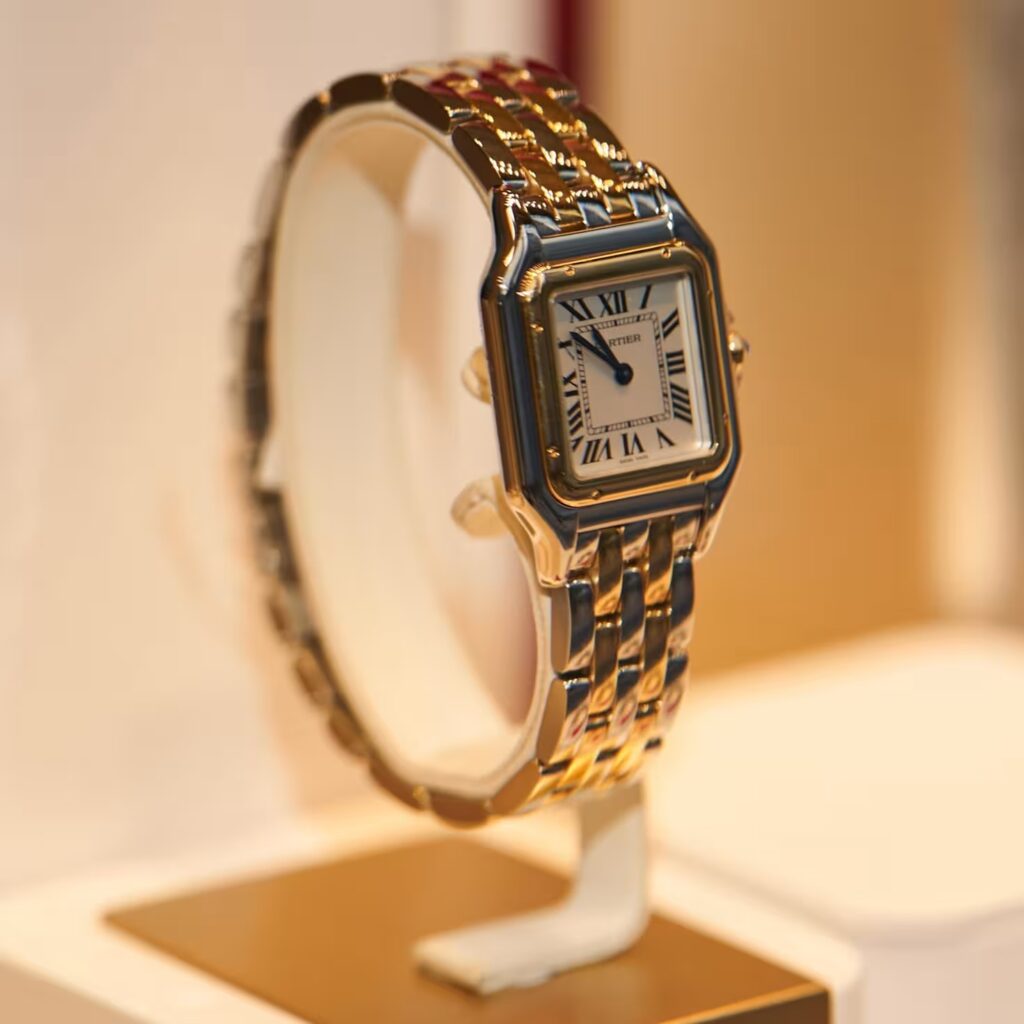
North and South America emerged as the strongest-performing region for Swiss luxury group Richemont in the final quarter of last year. Sales in the region climbed 14 per cent at constant exchange rates to €1.74bn, powered by strong US demand for jewellery brands such as Cartier and Van Cleef & Arpels. Looking ahead, analysts expect luxury sales to US consumers to grow by around 8 per cent in 2026, up sharply from about 2 per cent the previous year.
Luxury brands also pulled back on price increases in 2025 after years of steep hikes during the post-pandemic boom. That pause, combined with the arrival of high-profile creative leaders — including Jonathan Anderson at Dior and Matthieu Blazy at Chanel — is expected to reinvigorate product offerings and stimulate demand.
At the same time, major luxury groups are reshaping their portfolios and cutting costs, moves that investors are beginning to welcome. Recent transactions include the sale of a China-based travel retail operation by one group and the divestment of a heritage watch brand by another.

Still, upcoming quarterly results may not yet reflect a full recovery. Comparisons with late 2024 remain difficult, particularly after a short-lived surge in US spending following elections last year. One of the industry’s largest players is expected to post minimal organic growth for the fourth quarter, with its core fashion and leather goods division likely seeing a decline in sales.
According to analysts, a notable shift is underway: for the first time in decades, luxury sector growth is expected to come from higher sales volumes rather than further price increases. Consultancy estimates suggest that prices for luxury clothing, handbags, and footwear are now between 1.5 and 1.7 times higher than they were in 2019, limiting how much further brands can push pricing.
While the Chinese market is expected to stabilise after two difficult years marked by continuous quarterly declines, there is little evidence that demand will soon return to its former peak levels. Meanwhile, luxury houses face the challenge of winning back less affluent shoppers who were pushed away by years of aggressive price inflation.
To address this, brands are placing renewed emphasis on entry-level luxury items, typically priced between €1,000 and €2,000. Some labels have even shifted their marketing focus toward classic, more accessible products rather than headline-grabbing new designs — a notable change in strategy.
However, analysts warn that the increasingly “K-shaped” US economy could complicate these efforts. While wealthier households continue to benefit from rising asset values, consumers without significant assets remain under financial pressure, potentially limiting a broader recovery among aspirational buyers.
Despite these uncertainties, industry observers see encouraging signs in the return to volume-driven growth. Analysts note that shoppers now have clearer reasons to return to physical stores, suggesting that the foundations for a luxury revival are gradually falling into place.