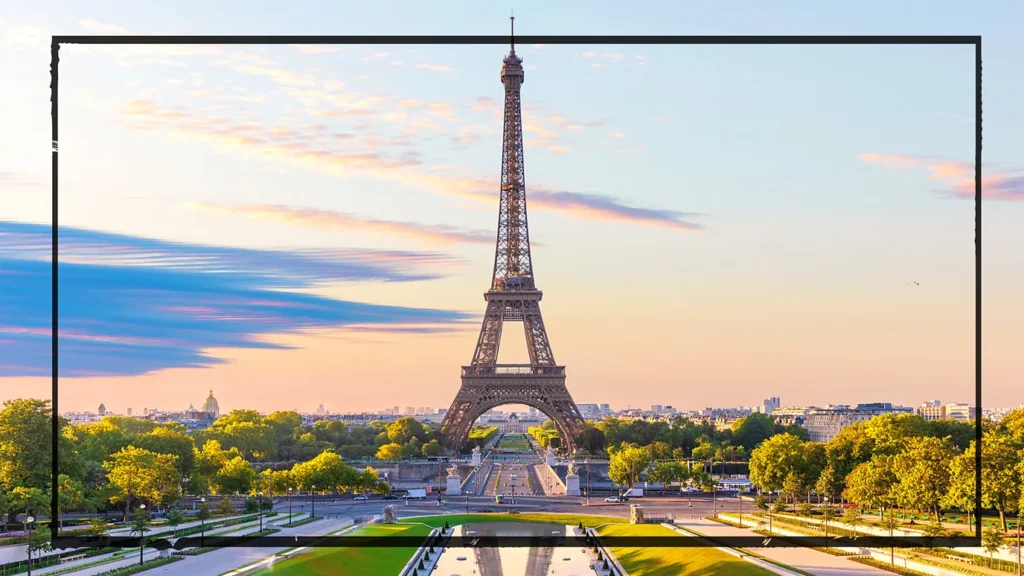
Paris is often introduced through its landmarks, but the city reveals its true character in quieter, everyday moments. Beyond the Eiffel Tower and the Louvre, Paris is a place shaped by neighbourhood routines, small rituals and a deep appreciation for time well spent. Seeing the city like a local means slowing down, observing how people live and letting Paris unfold naturally rather than rushing from one highlight to the next.
For Parisians, the city is not defined by attractions but by arrondissements and neighbourhoods. Each area has its own pace, personality and habits. Staying outside the most tourist-heavy districts can offer a more grounded experience. Neighbourhoods like the 9th, 10th, 11th and parts of the 12th and 14th are lively, well-connected and full of everyday life. These areas are home to bakeries, small parks, cafés and local shops that residents rely on daily.
Getting around Paris is simple and efficient. The métro is the backbone of the city and the fastest way to travel longer distances. Locals use it instinctively, often combining it with walking. Paris is compact, and walking allows you to notice architectural details, street markets and unexpected corners that don’t appear on maps. Buses are slower but offer views of the city, while cycling has grown in popularity thanks to improved bike lanes.
Food is central to Parisian life, but it is not treated as spectacle. Breakfast is usually modest: coffee, a croissant or a piece of bread with butter and jam. Many locals stop briefly at a café counter rather than sitting for a long meal. Lunch during the workweek is often practical and quick, with set menus at neighbourhood bistros or takeaway sandwiches from bakeries.
Dinner is when meals become more relaxed. Parisians tend to eat later than many visitors expect, especially on weekends. Rather than chasing the latest restaurant trend, locals return to familiar places they trust. Small bistros, wine bars and brasseries offering seasonal dishes are part of daily life. Menus change often, reflecting what is fresh and available, and simplicity is valued over excess.
Markets play an important role in how locals eat. Open-air markets operate across the city on specific days, selling fruit, vegetables, cheese, meat and prepared foods. Even if you don’t plan to cook, visiting a market provides insight into Parisian food culture. People chat with vendors, compare produce and shop with intention rather than urgency.
Cafés are another cornerstone of Parisian routine. They are not just places to drink coffee but spaces to pause, observe and exist. Locals may spend long periods sitting at a table with a single drink, reading or watching the street. Ordering is straightforward, and regulars often choose the same beverage each time. Sitting outside, even in cooler weather, is widely embraced and seen as one of the simple joys of city life.
Shopping in Paris is less about grand department stores and more about everyday errands. Bakeries, cheese shops, florists and small grocery stores anchor neighbourhoods. Locals visit these places frequently and value consistency and quality. Greeting shopkeepers and recognising familiar faces is part of daily interaction, creating a sense of belonging that visitors can feel by returning to the same spots during their stay.
When it comes to culture, Parisians don’t rush. Museums are often visited slowly and sometimes repeatedly. Rather than trying to see everything in one visit, locals might spend an hour focused on a single exhibition or section. Smaller museums and galleries are just as important as major institutions and often provide a quieter, more reflective experience.
Parks and green spaces are integral to everyday life. Large gardens like the Jardin du Luxembourg and Parc des Buttes-Chaumont are popular for walking, reading and meeting friends. Smaller neighbourhood parks offer benches and shaded corners where people pause between errands. These spaces are used throughout the day and across seasons, reflecting a strong connection between city life and outdoor time.
Parisian evenings are not always about nightlife. Many locals prefer low-key gatherings, a glass of wine at a neighbourhood bar or a long walk after dinner. The city takes on a different rhythm at night, with illuminated streets, quieter cafés and a sense of calm that contrasts with daytime energy.
Understanding local etiquette helps visitors feel more at ease. Simple greetings matter. Saying “bonjour” when entering a shop or café is expected and appreciated. Politeness and patience go a long way, especially in busy places. Parisians may appear reserved at first, but respectful behaviour often leads to warmer interactions.
Fashion in Paris is less about trends and more about personal style. Locals favour quality, fit and timeless pieces over bold statements. Neutral colours, comfortable shoes and understated accessories are common. Dressing practically while maintaining a sense of individuality reflects how Parisians approach both fashion and life.
Ultimately, visiting Paris like a local is about embracing the city’s pace. It means allowing time for aimless walks, lingering meals and moments of observation. Paris rewards those who are curious, attentive and willing to step away from checklists. By focusing on neighbourhood life, everyday rituals and simple pleasures, visitors can experience a version of Paris that feels genuine, lived-in and quietly unforgettable.