The design landscape is witnessing a dramatic shift. After years dominated by the serene uniformity of minimalism and the subdued elegance of “quiet luxury,” a new, more expressive aesthetic is taking hold, and it is a century-old style: Art Deco. This revival is not a simple rehash of a historical trend but a bold, visually compelling force currently shaping home decor and inspiring countless “pins” across social media platforms. The opulence, drama, and forward-thinking optimism of the Roaring Twenties have found a new resonance in the 2020s, offering a potent antidote to the muted palettes that have long defined interior design.
The ascendancy of this trend is directly tied to a powerful, aspirational engine: the luxury hospitality industry. Hotels and fashion brands are blurring the lines between their respective domains, creating immersive, “pinnable” experiences that serve as living mood boards for the modern consumer. They are strategically leveraging this aesthetic to create an emotional connection with guests, effectively setting the standard for aspirational living and empowering a new generation to buy into glamour, not just as a temporary stay but as a permanent lifestyle. This report will deconstruct the Art Deco revival, explore the deep-seated psychological reasons for its appeal, and reveal how the hospitality sector is masterfully diffusing this trend from exclusive resorts to the homes of millions.
The Anatomy of a Revival: Deconstructing Modern Art Deco
What is Art Deco? A Refresher on the Roaring Twenties Style
The Art Deco movement, a style of visual arts, architecture, and design, originated in France in the early 20th century. Its name is a direct reference to the 1925
Exposition Internationale des Arts Décoratifs et Industriels Modernes in Paris, where it gained international prominence. Emerging in the optimistic wake of World War I, the style was a celebration of “machine-age modernity” and a jubilant rejection of the preceding Art Nouveau’s organic, curvilinear forms. It epitomized luxury, glamour, and exuberance, symbolizing a profound belief in social and technological progress.
The defining features of this style are a fusion of diverse influences, including the abstract forms of Cubism and Bauhaus, the rustic designs of African tribal art, and the stepped pyramid structures of Mesoamerican civilizations. A key influence was the discovery of King Tutankhamun’s tomb in 1922, which sparked a global fascination with ancient Egyptian motifs and treasures. Designers and architects incorporated these inspirations into a new, streamlined aesthetic that prioritized clean lines, bold geometric shapes, and symmetry. This style was a dramatic departure from the ornate, heavily embellished aesthetics of the past, focusing on an elegant yet streamlined appeal. It left an indelible mark on everything from skyscraper designs like the Chrysler Building to everyday objects like radios and vacuum cleaners.
The Look Now: Core Elements of the 2020s Art Deco Aesthetic
Today’s Art Deco revival is a curated and edited interpretation of its historical predecessor. While the original movement was known for its “over-the-top glitz and glam” and its use of rare, expensive materials like ebony, ivory, and shark skin, the modern trend is more about incorporating key elements to create a contemporary, livable space. This approach allows for accessibility and versatility, making the glamour of the 1920s achievable for a broader audience. The core aesthetic is built on three pillars:
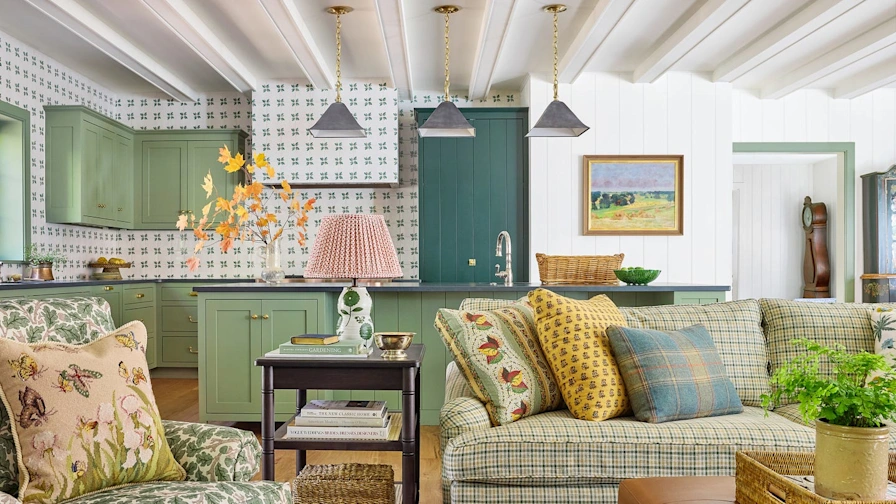
- Geometric Forms & Streamlined Silhouettes: A hallmark of the style is the use of strong geometric shapes, from zigzags, chevrons, and sunbursts to trapezoidal forms. These motifs, which were once prevalent in grand architectural facades, are now found on a smaller scale in home furnishings and decor. The modern take favors streamlined silhouettes and clean, unadorned lines on furniture like sideboards and armoires, a nod to the “machine-age modernity” of the original era.
- The Palette of Rich Hues and High Contrast: The contemporary Art Deco palette revels in saturated, rich colors that imply value and wealth. Deep jewel tones like emerald green, sapphire blue, and ruby red are foundational and often paired with high-contrast neutrals such as black, white, and cream. These hues are typically complemented by metallic accents of polished gold, brass, or chrome, which provide a luxurious and sleek finish.
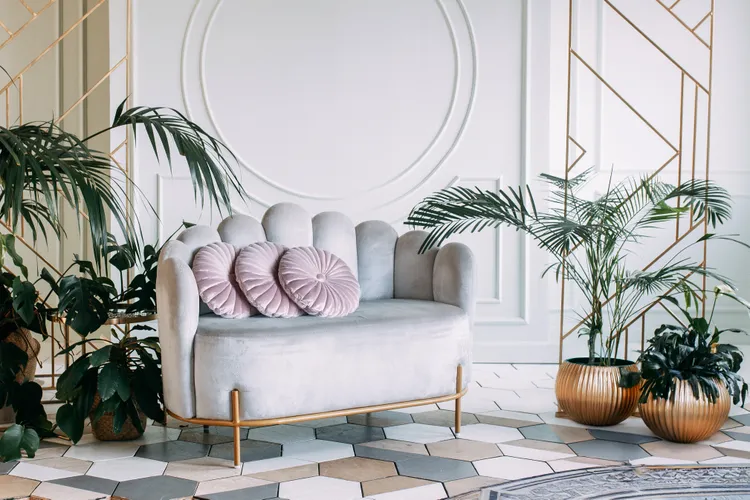
- A Celebration of Luxurious Materials: Art Deco continues to be synonymous with opulence, and the materials used in its modern iteration reflect this ethos. Plush fabrics like velvet and silk are essential for upholstery, while marble, lacquered wood, and polished metals are prominent in furniture and accessories. The modern twist introduces fluted glass, which adds a linear, textural element to vases, cabinetry, and light fixtures, and scalloped shapes on furniture and mirrors, which provide a soft, whimsical counterbalance to the style’s rigid lines.
The modern Art Deco revival is a curated, edited version of the original. The historical movement, though celebrated, was largely a product of a specific time and its socio-economic conditions, relying on bespoke, one-off pieces and rare materials to convey its opulence. Today, the aesthetic has been democratized. The core psychological desire for glamour and optimism remains, but the method for achieving it has shifted from a full-scale architectural commitment to an accessible, a la carte approach. Consumers are embracing Art Deco
inspired items, from peel-and-stick wallpaper and geometric rugs to mass-produced gold accessories. This is a critical distinction; the trend is less about replicating the past and more about using its powerful iconography and emotional resonance to craft a modern, personalized, and livable space that can be shared instantly on platforms like Pinterest.
The Psychology Behind the Trend: Why We’re Craving Glamour Now
Reclaiming Drama from Minimalism
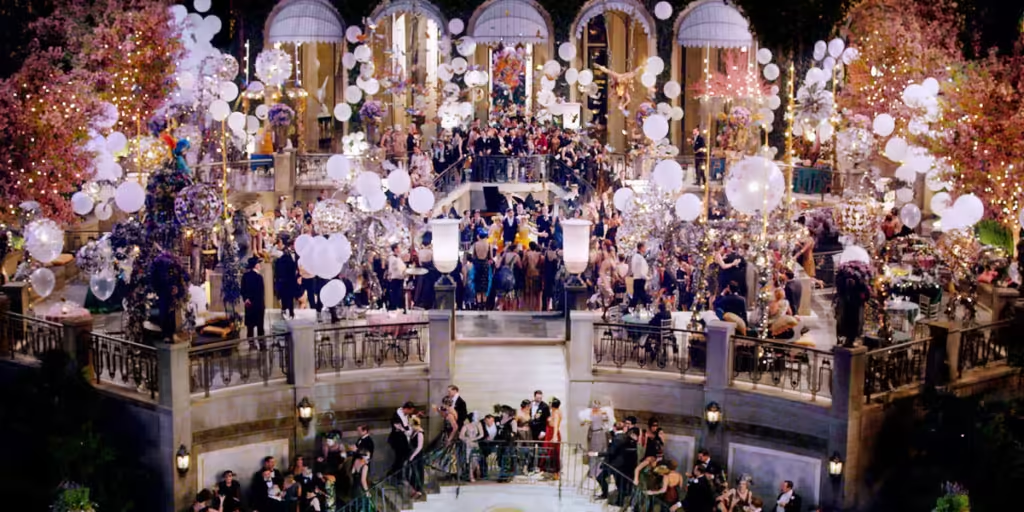
The resurgence of Art Deco can be understood as a cultural pendulum swing, a direct response to a phenomenon some interior designers refer to as “minimalism burnout”. For over a decade, the design world has been dominated by a “quiet luxury” aesthetic characterized by neutral tones, organic forms, and simple materials like “soft beige, white oak, and unlacquered brass”. While initially appealing, this aesthetic has left many consumers craving spaces that offer “more layers, color, and decorative details”.
Art Deco, with its fearless combination of drama, high-gloss finishes, and bold personalisation, offers a welcome antidote. The style’s embrace of maximalism and its focus on vibrant hues and striking contrasts cater to a new desire for interiors that are less about being a blank slate and more about evoking a sense of depth and personality. This marks a shift from a neutral sensibility to one driven by bold, individual taste, where paying attention to the details becomes a core part of the design mentality.
An Optimistic Embrace of the Future
Historically, Art Deco emerged from a period of great upheaval and profound technological change. It was a style rooted in post-WWI optimism, a “celebration of modern life” that reflected the dynamism and excitement of the early 20th century. This historical context resonates deeply in the 2020s, a decade grappling with its own societal shifts and technological advancements. The “Roaring Twenties” aesthetic embodies a sense of hope, frivolity, and a forward-thinking embrace of the future, making it a psychologically resonant and aspirational trend. The original style’s confidence in progress, which was so evident in its sleek, machine-inspired designs, provides a comforting sense of exuberance that feels both nostalgic and timely.
The Allure of Authenticity and Personalization
In a world saturated with mass-produced goods, consumers are increasingly seeking out items and experiences that feel authentic and tailored to their individuality. The Art Deco revival aligns with this desire by celebrating craftsmanship and unique details. People want their homes to reflect a curated reality, to tell a story that goes beyond a standard, one-size-fits-all aesthetic. The very nature of Art Deco, with its bold motifs and personalized ornamentation, caters to this longing for bespoke expression.
This new consumer mindset, driven by a desire for identity and community, is what allows the Art Deco aesthetic to thrive on social media platforms. It provides a visual vocabulary for self-expression, allowing individuals to craft a home that feels like a private, opulent sanctuary, mirroring the “exclusive experiences” and “Instagram-worthy” moments they see at luxury hotels. The embrace of Art Deco is an embrace of a personalized, expressive identity, with social media serving as the perfect canvas for showcasing this aspirational self-expression.
From Hotels to Homes: How Hospitality is Paving the Way
The New “Experience Economy” in Hospitality
In an increasingly competitive market, the hospitality industry has recognized that a comfortable bed and friendly service are no longer enough. Modern travelers, particularly younger generations, are driven by a craving for identity, community, and experiences that are share-worthy. In response, hotels have shifted from providing a transactional service to creating an “experience economy,” transforming their properties into immersive destinations. This movement has led to a new wave of strategic collaborations where hotels and fashion brands blur their traditional boundaries to create unique and unforgettable moments. These partnerships serve a common goal: to connect with new and existing consumers, increase brand awareness, and drive revenue by creating lasting affinity and loyalty that extends far beyond a temporary stay.
Luxury Collaborations as Modern Mood Boards
These high-profile collaborations function as the ultimate, aspirational “mood boards” for the design-conscious consumer. They are tangible, large-scale examples of how to bring an aesthetic to life, and their visual appeal is intentionally crafted for social media amplification.

- Missoni’s Resort Clubs: A prime example is the Missoni Resort Club at The Ritz-Carlton in Bali. Missoni, a brand celebrated for its Art Deco-adjacent geometric patterns, reimagined the entire beachfront space, adorning sunbeds, umbrellas, kites, and yoga mats with its iconic zigzag stripes and vibrant colors. This partnership created a fully immersive experience that was not only “extremely Instagrammable” but also a powerful emotional touchpoint, transforming a beach into a living piece of brand art.
- Christian Louboutin’s Hotel Vermelho Melides: The designer’s first hospitality project in Portugal is a singular vision, translating the intimate and audacious spirit of his brand into a 13-room boutique hotel. The property, with its rare artworks, antique furnishings, and subtle nods to Louboutin’s heritage, allows guests to immerse themselves in his world, creating a deeply personal and exclusive experience.
- The Dior and Staud Pop-Up Phenomenon: The hotel pop-up has become a powerful marketing tool driven by the “fear of missing out” (FOMO). The Dioriviera pop-up at The Beverly Hills Hotel, for instance, was a “visual feast for social media,” transforming the space with branded loungers and a pink aesthetic. These temporary, high-impact activations intercept high-net-worth individuals while on vacation, creating a context where impulse buying and indulgence are at their peak.
The luxury hospitality industry is a key engine of trend diffusion. While replicating a complex, dramatic style like Art Deco from a magazine or a Pinterest board can be daunting, hotels and fashion brands provide a physical, real-world laboratory for high-end aesthetics. These collaborations offer a low-stakes way for consumers to “test-drive” a trend and form an emotional connection with it in an aspirational, celebratory context. A guest who stays at a Missoni-branded hotel is more likely to be inspired to “pin” the look and attempt to replicate it at home. In this sense, hotels serve as the ultimate influencers, providing a tangible, lived-in example that is impossible for traditional retail to replicate.
Boutique Hotel Retail: From Souvenirs to Style Statements
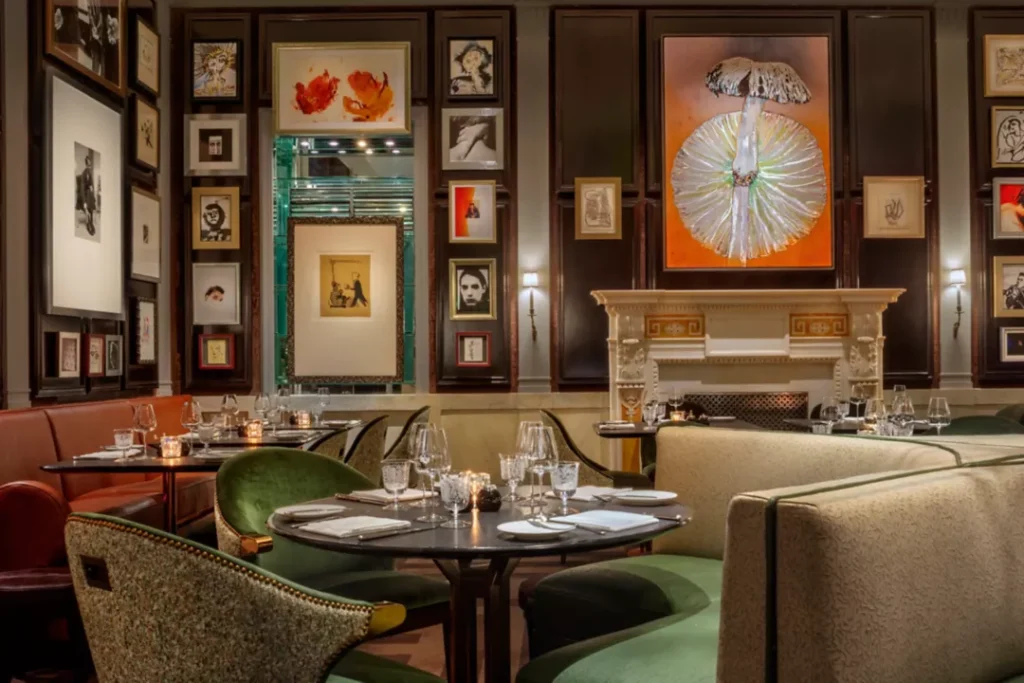
The hotel gift shop has evolved from a purveyor of forgotten toiletries and generic souvenirs into a curated retail experience. Today, many boutique and luxury hotels are becoming lifestyle brands, selling exclusive merchandise and proprietary products that extend the guest’s experience beyond their stay. The Carlyle hotel, for example, sells branded pajamas and accessories, while The Standard hotel group operates its own e-commerce shop with curated items and limited-edition merchandise. This retail evolution allows hotels to differentiate themselves in a competitive market, reinforce their reputation, and create new revenue streams by leveraging their brand equity to sell style.
Your Personal Guide to Gatsby Glamour: How to Get the Look at Home
Achieving a modern Art Deco look is not about a full-scale overhaul; it is about balance and a focus on key, high-impact elements. The following guide provides a blueprint for bringing the glamour of the past into your present.
The Core Statement Pieces
- Furniture: Invest in hero pieces that anchor a room, such as a curved sofa with plush velvet upholstery in a jewel tone. Complement it with lacquered or mirrored dressers, or a sideboard with geometric patterns. Look for furniture with scalloped details, a subtle and on-trend nod to the style’s whimsical side.
- Lighting: Lighting is a functional yet sculptural element in Art Deco design. Opt for a statement chandelier with cascading glass or a sleek pendant light in a foyer. Wall sconces with geometric or stepped bases are perfect for adding sophisticated ambient light.
- Mirrors: A classic Art Deco sunburst mirror is a decadent focal point, while geometric-framed mirrors reflect light and create a sense of grandeur.
Pops of Polish: Accessible Accents
The modern approach to Art Deco is about integrating luxurious details through accessible accents.
- Metals and Glass: Brass and polished gold are essential for adding warmth and regality. Use them in vases, trays, and picture frames. Incorporate fluted or ribbed glass in vases or decorative bowls to provide a modern, textural contrast to the smooth, polished surfaces.
- Patterns: Bring in the signature geometric and high-contrast patterns through easily changeable elements. A bold geometric rug can anchor a living space, while peel-and-stick wallpaper or patterned pillows can add drama without a permanent commitment. For a touch of classic glamour, consider using an animal print on a throw pillow or rug.
Transforming Your Space, One Room at a Time
- The Living Room: Start with a velvet sofa as the centerpiece and layer textures. Use a large-scale, singular piece of wall art to create a dramatic statement instead of a gallery wall.
- The Bedroom: To create a sanctuary rather than a theme park, select no more than one or two Art Deco pieces. A scalloped velvet headboard or patterned throw pillows on a neutral bedspread can provide a high-impact, luxurious feel.
- The Bathroom: This is an ideal space for Art Deco’s sleek lines and geometric forms. Opt for classic black-and-white geometric tiles, marble countertops, and sleek chrome fixtures. A freestanding tub with a sleek, angular design provides the ultimate nod to the style.
| Art Deco: The 1920s vs. The 2020s |
| Why it was popular: Post-WWI optimism; celebration of machine-age technology; a reaction against Art Nouveau’s organic forms. |
| Key Materials: Expensive, exotic, and rare. Examples include ebony, ivory, shark skin, and bespoke lacquer. |
| Shapes & Motifs: Primarily architectural and large-scale. Featured on facades, elevators, and large furnishings. |
| How it was consumed: Through bespoke, one-off commissioned pieces, grand architecture, and high-end department stores. |
The Future is Bright, and It’s Gilded
The Art Deco revival is more than a fleeting design fad; it is a cultural marker of a shift toward a more expressive and experiential aesthetic. The trend’s enduring appeal lies in its ability to marry the past’s opulence with the present’s desire for individuality. By providing a vibrant counterpoint to the minimalist designs of the last decade, it offers a glamorous, optimistic vision for the future. The luxury hospitality industry, acting as a crucial trend-setting laboratory, provides the aspirational “test drive” that empowers consumers to bring this look into their own homes. The future of design is not just about what is new, but about a celebratory and gilded reclamation of what is timelessly beautiful.