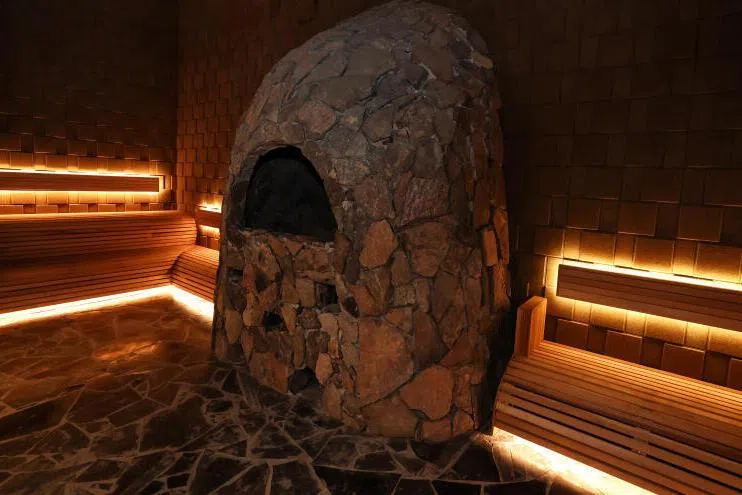
The company is leasing 49,000 sq ft for Phase One, and has plans to expand it to 100,000 sq ft
[SINGAPORE] A Chinese wellness operator is opening a round-the-clock spa and leisure complex the size of 7.5 Olympic-sized swimming pools when completed, which it says will be the largest spa of its kind in Singapore.
House+ Bubble, the approximately S$45 million project in Perennial Business City in Jurong East, will be rolled out in two phases.
Phase One, taking up about 49,000 square feet (sq ft), will have a soft opening on Feb 21, and be officially launched on Mar 14.
Phase Two, to add about 50,000 sq ft, is targeted to be completed at the end of the year, subject to regulatory approvals for change of use and other operational licences.
Both landlord and tenant are in talks with the authorities.
Urban Redevelopment Authority regulations stipulate that up to 15 per cent of the total gross floor area for developments on land zoned as “Business Park” may be allowed for white uses, which include retail and sports and recreation facilities.
Navigate Asia in
a new global order
Get the insights delivered to your inbox.
A spokesperson for Perennial Holdings noted, however, that complementary trades have already used up nearly 15 per cent of the white space available at Perennial Business City.
Describing the wellness project as an “urban micro-vacation”, House+ Bubble director and chief executive Hou Zelong said the facility has been designed as a one-stop leisure destination, where guests can spend extended periods, rather than make short visits.
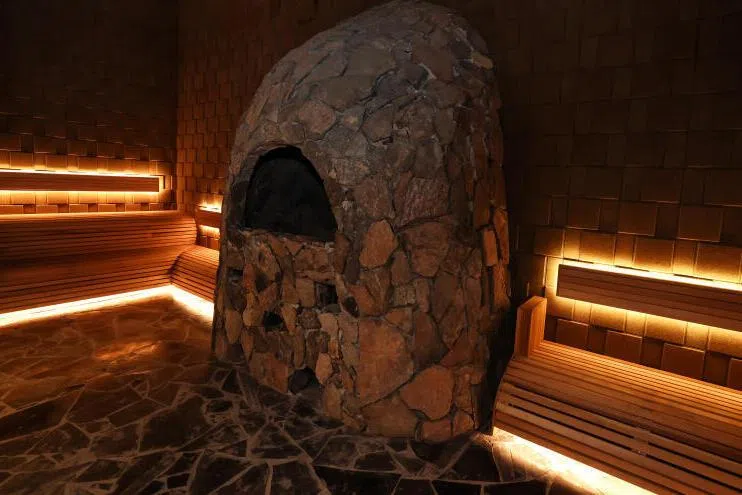
The amenities available include hot spring pools, sauna rooms, spa and massage services, along with dining options, a cinema room and a yoge.
Hou is expecting strong demand for the concept in Singapore. He cited similar players such as G Spa, which he said is about 24,000 sq ft in size and receives roughly over 300 customers daily.
He said that House+ Bubble, considerably larger and with a broader menu of offerings than existing players have, would give customers choice on the treatments or leisure activities to go for.
Noting that business and multinational corporate tenants are increasingly seeking experiential and wellness offerings to support employee well-being, the Perennial spokesperson said House+ Bubble’s services would cater to executives working in the business park.
Hou also sees an opportunity in Singapore’s lifestyle and leisure scene, which he says has limited options.
“On weekends, if you take your children out, where would you go? To the zoo or the amusement park, but it’s not feasible to do that every week,” he said.
“But you can come to House+ Bubble every week because it offers not only a variety of experiences, but is also a gathering place to relax and spend time together.”
House+ Bubble will open with promotional rates starting at S$49 for three hours. Its standard rates range from S$69 to S$129, depending on the length of stay.
The 100,000 sq ft facility is designed to accommodate 700 to 1,000 visitors a day.
Hou, who expects the project to break even in its third year of operations, said: “You might ask how we make a profit. Our strategy is to keep prices competitive and drive volumes and footfall by operating 24 hours a day.”
He also said that the facility’s options – allowing guests to use only the spa, or to dine or simply rest – would help widen its customer base.
Betting on the west
The spa will occupy a substantial portion of Perennial Business City, the former Big Box warehouse retail property acquired by Perennial Holdings for S$118 million in 2021, and subsequently rezoned for business park use.
After a redevelopment costing more than S$200 million, Perennial Business City is now an eight-storey business park sitting on a land area of about 606,000 sq ft.
Its gross floor area is about 1.5 million sq ft and net lettable area, more than a million sq ft.
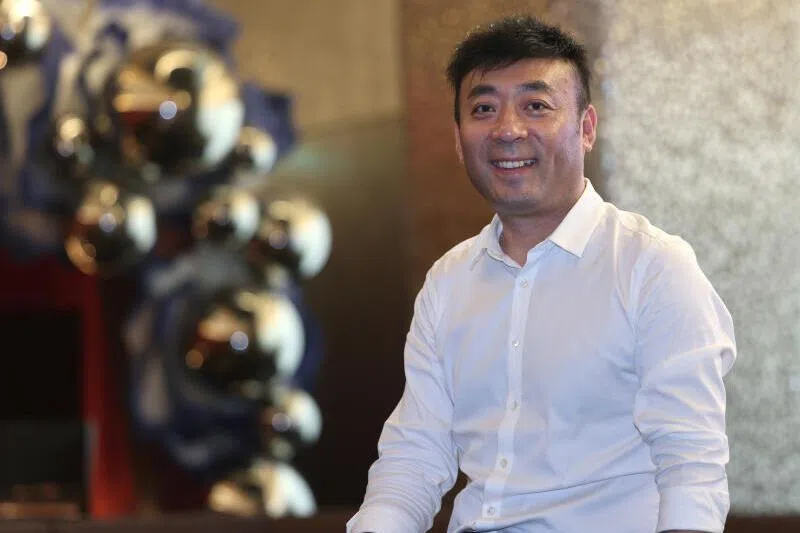
Hou said Perennial Business City offers rare large-format floor plates in land-scarce Singapore, with about 150,000 sq ft of space on each floor. It also has access to a growing office and residential catchment.
He added that the growth potential of Singapore’s west – now being developed as a business hub outside the Central Business District (CBD) – was a key factor behind House+ Bubble picking Jurong as a location for its first outlet.
The transformation of Jurong Lake District into Singapore’s largest business district outside the CBD is part of the government’s push to decentralise commercial activity, and bring jobs and economic opportunities to the suburbs.
Ethan Hsu, CEO of boutique retail consultancy and real estate firm Catbird, said: “It’s not a typical location for a new-to-market concept to start off in an industrial area.
“However, Jurong is one of the largest mature residential estates in Singapore. With the new integrated transport hub coming up, this neighbourhood will become more vibrant,” he added, noting that the wellness centre would also offer respite to caregivers and to visitors of the nearby Ng Teng Fong General Hospital.
Hsu, who left Knight Frank Singapore last year after more than five years helming its retail team, is the retail consultant and marketing representative for House+ Bubble.
“Singapore’s retail sector is entering a new phase in which quality, curation and experience define success. Landlords and brands are reassessing their portfolios to create assets that are relevant, differentiated and future-ready,” he said.
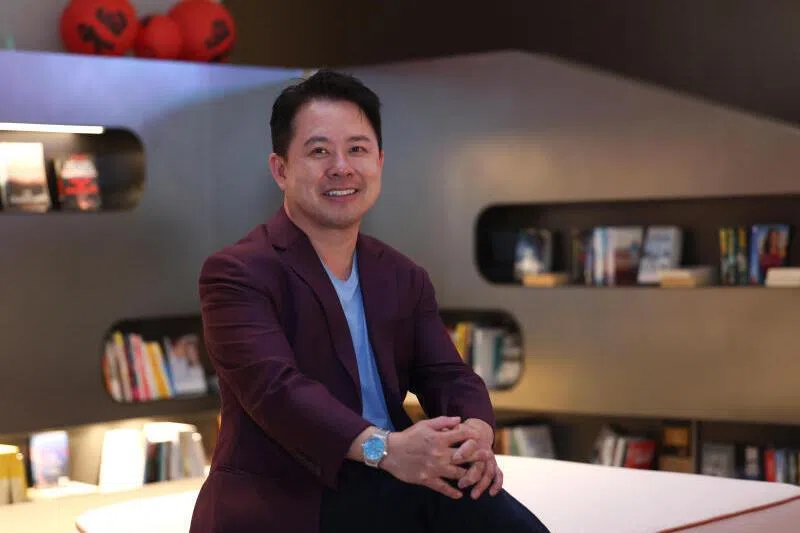
Opening at a time when retail closures are grabbing headlines in Singapore, Hou said he is worried, but remains optimistic about growth opportunities.
“I believe this is a natural process as the economy goes through cycles of growth and decline. Right now, we are in a downturn, but this creates opportunities. If everyone is doing well, perhaps we wouldn’t have a chance to grow,” he said.
“In Singapore’s service industry, this is a natural process of survival of the fittest and market consolidation.”
House+ Bubble plans to open at least four outlets in Singapore over time, each at least 50,000 sq ft in size. The branches will have their own themes – some family-oriented, and others, inspired by Japanese, Korean or European design.
Regionally, the company is eyeing Malaysia, Indonesia and Thailand, where it intends to develop larger, resort-style projects integrated with hotels and retail, with some possibly occupying more than a million sq ft each.
Growing occupancy
The opening of House+ Bubble in Perennial Business City comes as the Perennial group continues to ramp up leasing of its office and retail spaces.
Anchor tenants include Wyse Active Hub, Singapore’s largest badminton facility occupying 80,000 sq ft on the third floor. Wyse opened its doors in November 2024.
The Yard Gymnastics, which opened in November 2025, occupies 16,000 sq ft; the 20,000 sq ft Mokara Gymnastics Academy, launched in January this year.
DBS opened its new DBS Asia Gateway office last year, housing about 1,000 employees from the bank’s operations group.
Other notable tenants include Sony, which occupies two units on the fourth level, and Marina Bay Sands, which has offices occupying three units on the third floor.
The Perennial Business City spokesperson said: “As a high-specification business park, Perennial Business City caters to tenants from high-value industries such as the infocommunications technology, biomedical sciences, fast-moving consumer goods and financial institutions.”
Perennial Business City is also in discussions with new business park office tenants, who are expected to move in in the second half of the year, the spokesperson added.