The growing demand for private jets has created a new opportunity in business aviation: purchasing pre-owned aircraft and transforming them into modern, customized flying spaces. With new aircraft prices climbing and production backlogs stretching for years, refurbishment is emerging as an attractive alternative for owners seeking luxury, performance, and efficiency without the wait.
Over the past two years, private aviation has recorded strong sales, putting pressure on manufacturers to meet demand. Buyers looking to acquire new aircraft may face lengthy delivery timelines, with some models not expected to arrive until the end of the decade.
“If you’re waiting for a Falcon 10X, 2030 is what they’re saying now,” says Sarah Mespelt Larrañaga, principal of Los Angeles-based Sarah Larrañaga Aviation Design.
New private jets can cost as much as $75 million before customization, making the pre-owned market increasingly appealing to buyers who want to avoid both the premium pricing and extended delivery schedules.

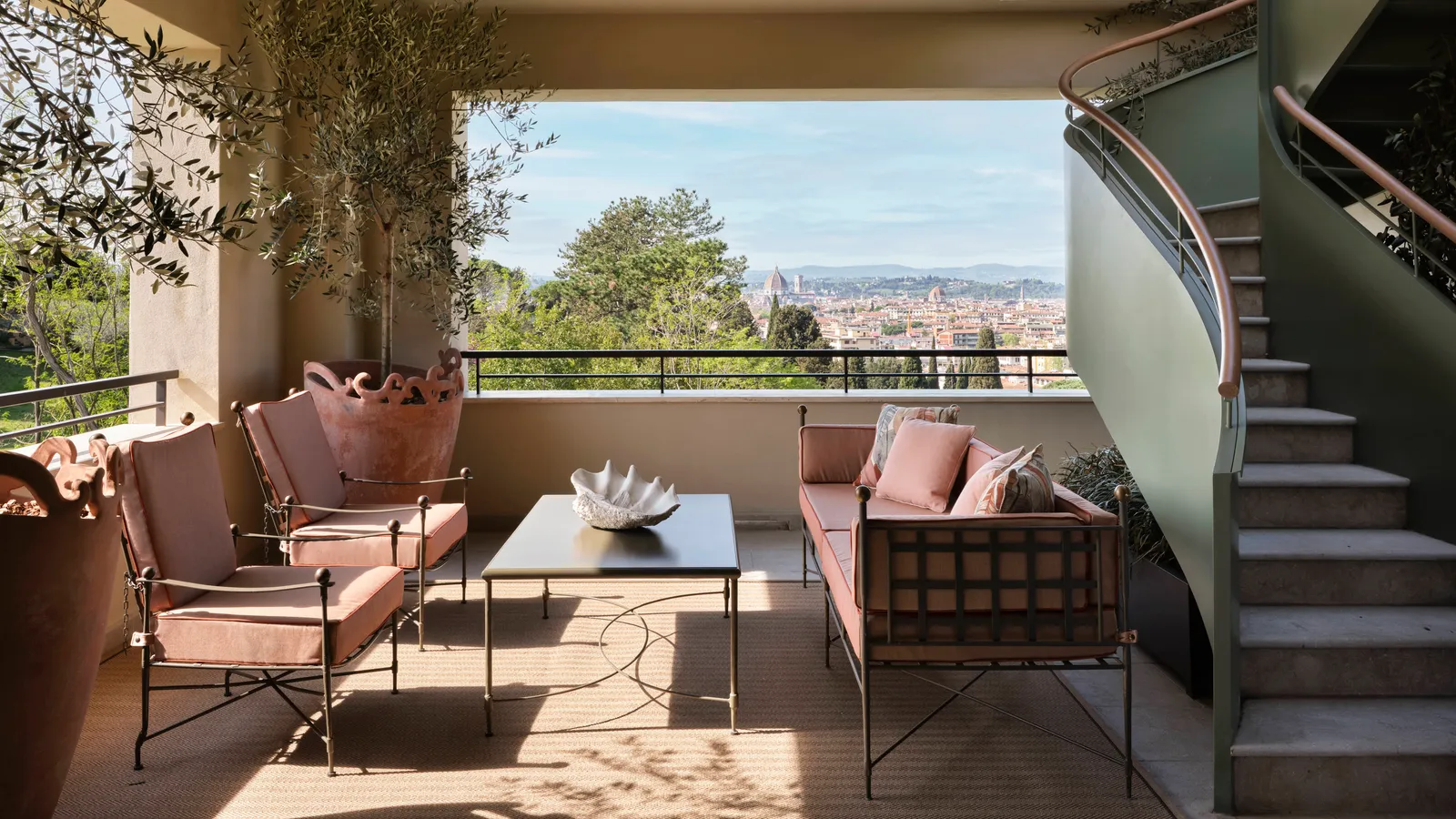
Interiors reimagined by Sarah Larrañaga Aviation Design. Sami Jo Studios
Turning Older Aircraft Into Modern Flying Offices
Refurbishing a pre-owned private jet allows owners to combine the proven capabilities of an existing aircraft with contemporary technology and bespoke interior design.
“There has definitely been an uptick in used aircraft being purchased to be refurbished,” Larrañaga says, noting the growing number of projects her company has undertaken.
Advances in aviation technology now make it possible to upgrade older aircraft with systems that can significantly improve their functionality and onboard experience.
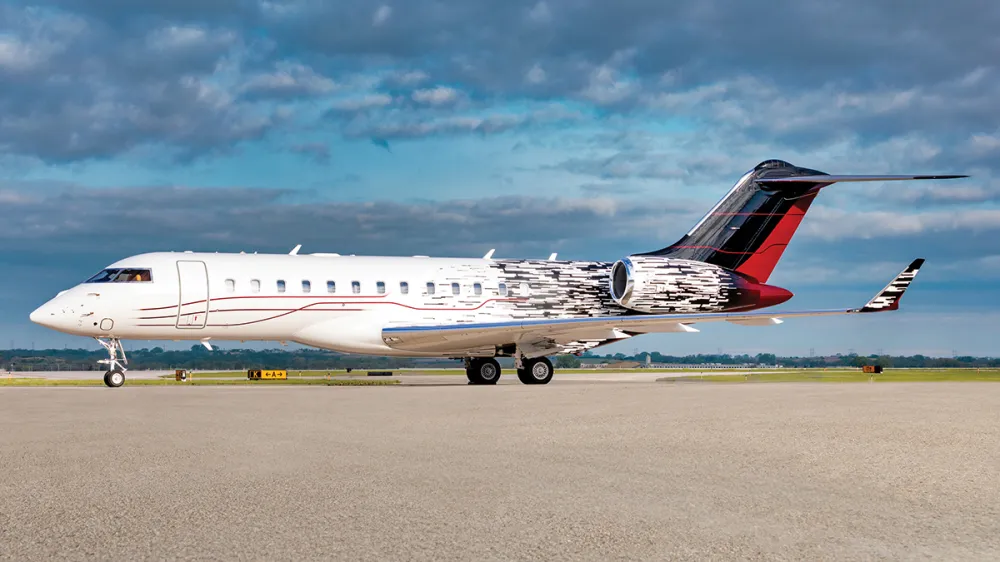
Popular candidates for refurbishment include the Gulfstream G550 and G650, Bombardier Global 6000, 6500, and 7500, and Dassault Falcon 7X and 8X. These aircraft are valued for their range, reliability, and fuel efficiency, with pre-owned examples typically costing between $20 million and $50 million.
A comprehensive refurbishment can cost approximately $5 million, depending on the aircraft and the scope of the work.
Typical upgrades include new avionics, cockpit equipment, cabin-management systems, advanced lighting, improved sound and entertainment systems, and Starlink high-speed internet connectivity. Owners can also introduce more personalized features, such as cocktail bars and DJ booths, to create an onboard environment tailored to their lifestyle.
The result is an aircraft that combines established engineering with modern conveniences, often at a substantially lower overall cost than purchasing a new jet and commissioning an extensive custom interior.

Interiors reimagined by Sarah Larrañaga Aviation Design.Sami Jo Studios
Combining Refurbishment With Scheduled Maintenance
Beyond cosmetic improvements, mechanical inspections and system upgrades are an important part of the refurbishment process.
According to James Carroll of Duncan Aviation’s sales and acquisition team, coordinating modernization work with scheduled maintenance can reduce the time an aircraft spends out of service.
“When an aircraft is already going to be down for significant service, combining that visit with paint, interior, avionics, or other modifications can reduce the number of separate downtime events,” Carroll explains.
This approach allows owners to complete several projects during a single maintenance visit, helping return the aircraft to service more efficiently.
For frequent private-jet users, minimizing downtime is particularly valuable. A carefully planned refurbishment can deliver a more capable aircraft while reducing the disruption associated with multiple maintenance and upgrade appointments.
Choosing the Right Aircraft Is Essential
Despite the advantages, buying a pre-owned jet for refurbishment requires careful planning. Industry experts emphasize that the condition, maintenance history, and suitability of the aircraft should be evaluated before a purchase is completed.
Carroll recommends conducting a comprehensive pre-purchase evaluation to ensure the aircraft is the right foundation for the intended project.
Customization also requires a strategic approach. While modern interiors and updated technology can improve an aircraft’s appeal, highly personalized modifications may limit its potential resale market.
Independent aviation analyst Rolland Vincent warns that extensive customization can reduce the number of prospective buyers and potentially affect the price an aircraft commands when it is eventually sold.
For this reason, owners must balance personal preferences with long-term ownership costs and resale considerations. Upgrades that improve functionality and appeal to a broad range of buyers may offer greater flexibility than highly specialized design choices.
A Complement to New-Jet Purchases
The growing refurbishment market is not necessarily replacing demand for factory-new aircraft. Instead, it is giving buyers another way to meet their aviation needs.
“What we see is that buyers have more than one path to achieving their mission,” Carroll says.
For some owners, purchasing a new jet remains the preferred option, particularly when they require a specific model or configuration. Others may find that a pre-owned aircraft, upgraded with modern systems and a redesigned cabin, provides the right combination of cost, capability, and availability.
The benefits can extend beyond comfort. Larrañaga recalls a client who contacted her from his refurbished aircraft while traveling with his team. Thanks to the jet’s updated capabilities, the passengers were able to work throughout an eight-hour round trip as effectively as they would in an office.
“We’re helping people do business at a higher level,” Larrañaga says. “Literally and figuratively.”
As private aviation continues to evolve, refurbishing pre-owned aircraft is becoming an increasingly compelling option for owners who want modern technology, personalized luxury, and greater control over delivery timelines. For those willing to start with the right aircraft, the approach offers a practical alternative to the long wait and high cost of buying new.