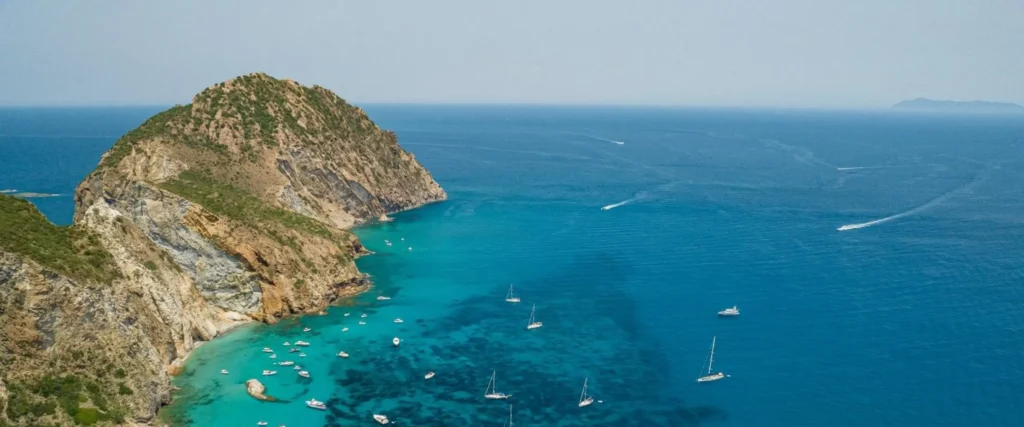
Imagine an Italian island without roads, without phone signal, and with almost no tourists. Welcome to Palmarola, a rugged gem in the Tyrrhenian Sea, just off Italy’s western coast.
A Remote Escape
Palmarola has no town, no ferry terminal, no electricity, and no mobile coverage. The only way to reach it is by boat from Ponza, about five miles away. It’s close enough for a day trip from Rome, yet far enough to feel completely disconnected from the bustling capital. While Rome teems with visitors, Palmarola remains largely unknown—even many Italians have never set foot on it.
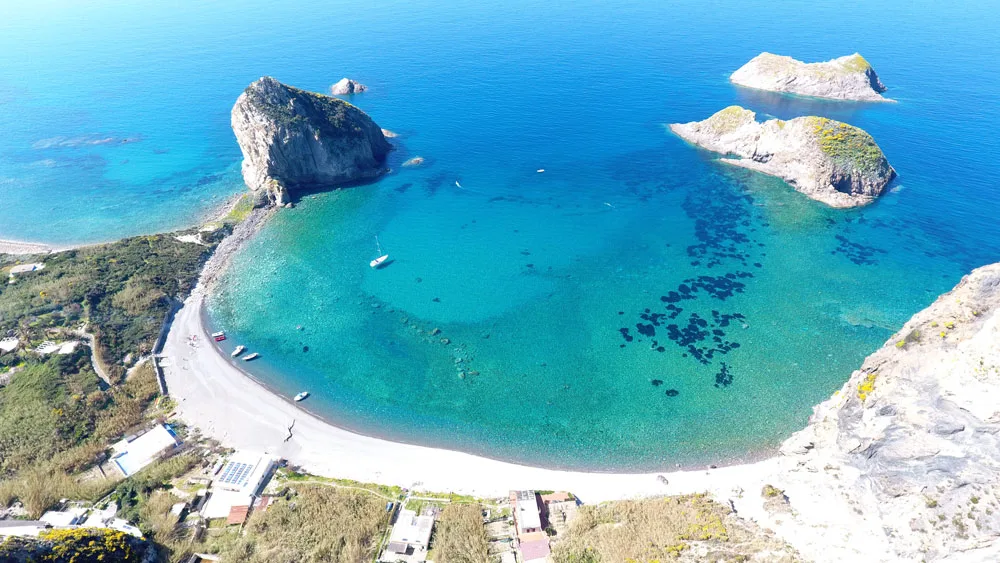
What draws people here isn’t comfort or convenience; it’s the raw, untouched beauty. Volcanic cliffs rise sharply from the sea, interrupted by caves and narrow inlets. A single beach meets a network of footpaths, while modern development is virtually nonexistent.
How to Get There
Travelers typically take a train to Anzio, a ferry to Ponza, and then arrange a boat ride with a local fisherman or private owner. With no permanent residents, Palmarola is shaped more by the seasons and weather than by tourism.
The island has one restaurant, O’Francese, which also rents a handful of simple cliffside rooms carved into old fishermen’s grottoes. Guests stay on a full-board basis, with rooms starting at around 150 euros ($175) per night, and reservations are often months in advance.
Life on the Island
Maria Andreini, a 44-year-old IT worker from Treviso, visits Palmarola each summer with her husband and 15-year-old son.
“There’s so much, and yet so little, to do,” she says. “We snorkel, sunbathe on the pink coral pebble beach, and stargaze at night. At dawn, the owners wake us for a hike to the island’s highest peak to watch the sunrise—it’s breathtaking.”
Footpaths lead from the beach to the ruins of a medieval monastery and a prehistoric settlement. Dinner is fresh fish, caught daily by the restaurant. Andreini compares the experience to living like the Flintstones—primitive, yet magical.
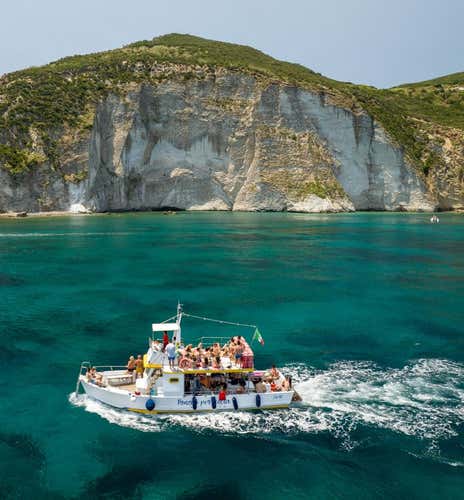
Beyond the main beach, the coastline is best explored by dinghy. Dramatic cliffs form sea stacks, tunnels, and grottoes, ideal for snorkeling, canoeing, or scuba diving. On land, the main wildlife are wild goats hiding among the low palms.

A Glimpse into History
Palmarola has been almost untouched for centuries. Local historian Silverio Capone from Ponza explains:
“Cave dwellers once visited to mine obsidian for tools and weapons. The landscape has hardly changed since then. The Romans used it as a strategic lookout post, but never settled it permanently.”
The island’s ownership goes back to the 18th century. Families from Ponza were granted parcels of Palmarola, and many still hold them today. Small cliffside caves have historically served as storm shelters and are still stocked with supplies.
Atop a sea stack sits a small white chapel dedicated to Saint Silverius, a sixth-century pope who was exiled here. Each June, fishermen from Ponza sail to Palmarola for the feast of San Silverio, carrying flowers, parading a wooden statue of the saint, and climbing rock steps to the altar in prayer.
“It’s a sacred ritual,” says Capone. “We believe his spirit still inhabits the waters. Sailors in storms have reported miraculous rescues, guided back to Palmarola by the saint.”
Why Visit?
Palmarola is perfect for travelers seeking solitude, nature, and history. It’s a rare chance to experience Italy as it once was—untouched, remote, and utterly captivating. From cliffside hikes to secret beaches and prehistoric ruins, the island offers a slice of paradise free from crowds and modern distractions.
Travel Tip: Bring hiking boots and beachwear, and plan your transport in advance—Palmarola isn’t a spontaneous getaway. But for those willing to make the effort, it’s an unforgettable escape into the raw beauty of Italy.