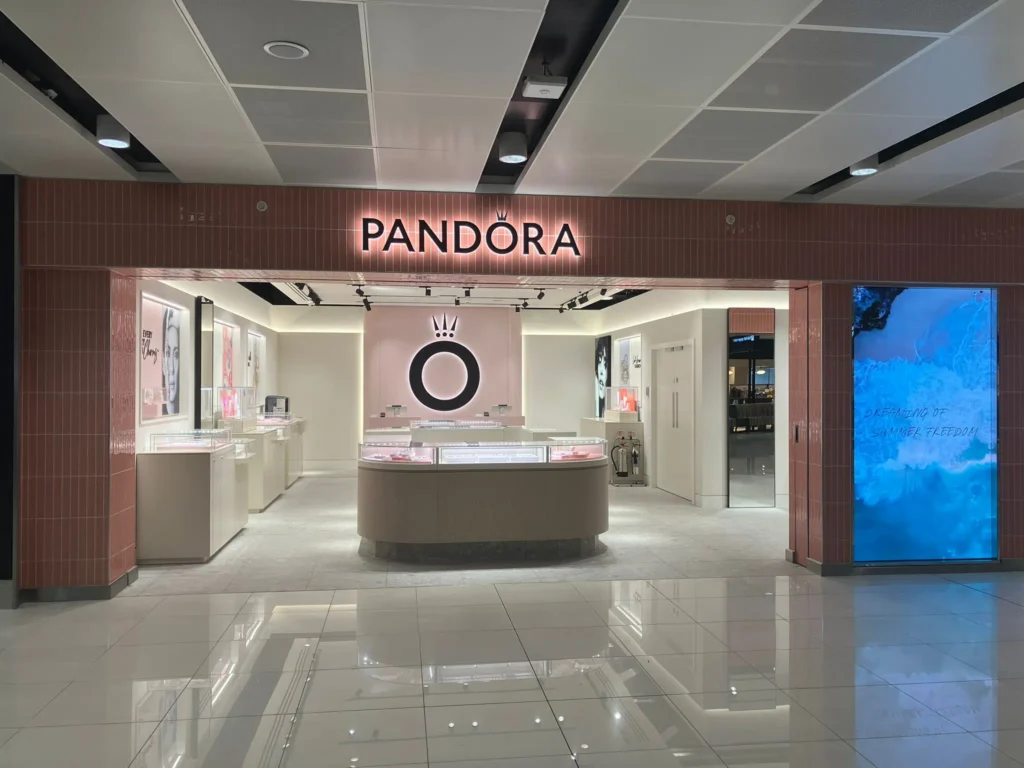
Pandora’s latest boutique opening at London Gatwick Airport’s South Terminal on August 15, 2025, marks far more than a retail expansion. It is a tangible step in the brand’s ambitious “Phoenix” strategy—a global blueprint designed to elevate brand desirability, attract new generations, and position Pandora at the forefront of accessible luxury.
Unlike a standard store launch, this new boutique embodies three critical pillars shaping the future of travel retail: sustainability, hyper-personalisation, and immersive experiences. In an environment where over 43 million travellers pass through annually, Pandora is using the airport stage as both a high-traffic sales channel and a powerful brand-building platform.
The Phoenix Strategy in Action
Pandora’s “Phoenix” strategy rests on four pillars:
- Strengthening brand desirability
- Driving customer-centric innovation
- Personalizing experiences
- Expanding growth in key markets
The Gatwick boutique, following the Manchester Airport store and ahead of a planned London Luton opening, represents a calculated expansion across the UK—one of the world’s most critical travel hubs.
More than a shop, the boutique is a living billboard, instantly showcasing Pandora’s modern identity to a global audience. For international travellers who may never have encountered the brand, Gatwick offers a memorable introduction. By aligning with a traveller’s “forced dwell time,” Pandora transforms waiting into experiencing.
Inside the Gatwick South Terminal Boutique
The store is strategically located post-security, ensuring convenience for passengers on the move. The interior blends sleek, modern design with a subtle travel motif, designed for swift but immersive shopping.
Key highlights include:
- A curated mix of signature collections
- Travel-themed charms and a “Best of British” edit, appealing to tourists seeking keepsakes
- A dedicated engraving station, turning jewellery into bespoke, emotionally resonant mementoes
This personalisation feature is central to Pandora’s retail vision: moving beyond transactions to create lasting memories.
Sustainability as Core Luxury
Pandora is setting itself apart by making sustainability non-negotiable. The company reached its 2025 target ahead of schedule—crafting jewellery from 100% recycled gold and silver. This reduces emissions by approximately 58,000 tonnes of CO2 annually.
Further, Pandora’s use of lab-grown diamonds created with 100% renewable energy reduces the carbon footprint by up to 95% compared to mined diamonds. These are not vague commitments but measurable achievements, helping Pandora resonate with Gen Z and Millennial consumers who increasingly choose brands aligned with their values.
In an industry often criticised for opaque sourcing, Pandora’s transparent, data-backed sustainability claims place it in a leadership position.
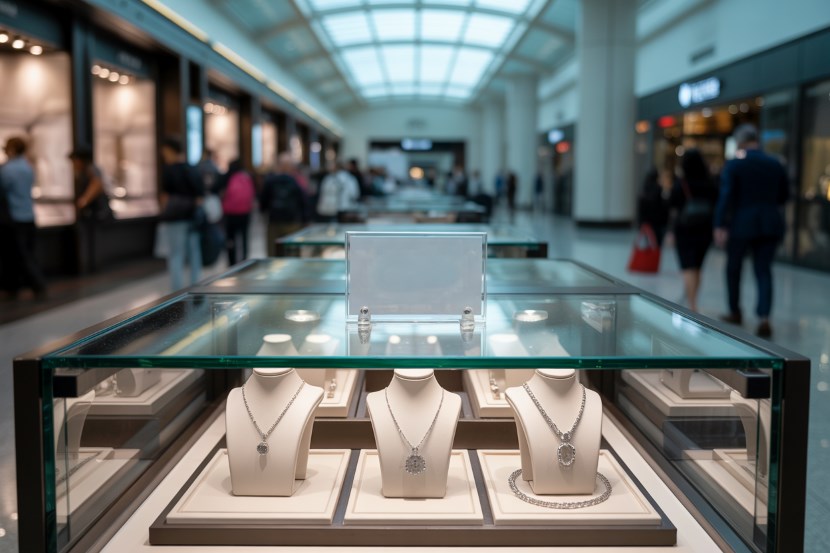
Personalisation: Democratizing Bespoke Luxury
Luxury has long been associated with bespoke experiences reserved for the ultra-wealthy clientele. Pandora challenges this notion with accessible personalisation.
- The engraving process takes only minutes—“as quick as grabbing a coffee.”
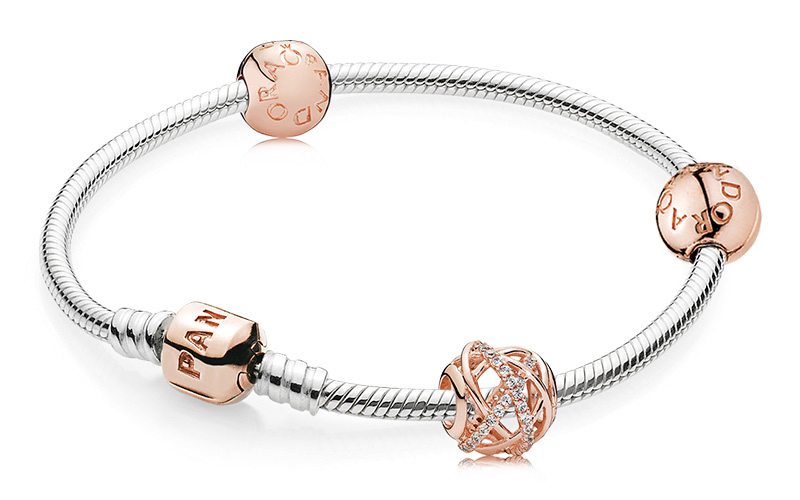
- Customers can add initials, dates, or messages to charms and bracelets.
- This creates a “made-for-me” luxury moment at an accessible price point.
For today’s travellers—who often prioritise experiences over possessions—this approach reframes luxury as a memory to carry home.
Experiential Retail vs. Digital-First Luxury
While many luxury houses lean on AR try-ons and digital immersion, Pandora doubles down on a tactile, human-centred experience. Engraving is not just personalisation; it is co-creation.
This service also unlocks invaluable first-party data. Each engraving carries personal meaning, offering insights into customer motivations—birthdays, anniversaries, or travel milestones. Compared to generic online analytics, this data is deeply authentic and directly informs future product development and targeted campaigns.
Gatwick’s £7.5M Transformation: Retail as Experience
Pandora’s opening coincides with Gatwick Airport’s £7.5 million refurbishment of its South Terminal lounge, which includes brighter lighting, expanded seating, and new quiet zones.
This investment signals a transformation: airports are no longer mere transit hubs but curated shopping destinations. For Pandora, this translates into more relaxed, receptive travellers—and higher sales opportunities.
Pandora vs. Luxury Heavyweights
Pandora’s positioning is unique within Gatwick’s retail ecosystem. Alongside Harrods and Ernest Jones, which cater to ultra-luxury consumers with brands like Cartier, Tiffany, Gucci, and Omega, Pandora sits in the accessible luxury niche.
The difference is clear:
- Harrods & Ernest Jones → high-end, heritage luxury for affluent buyers
- Pandora → collectable, personalised, values-driven jewellery for a broad, younger demographic
Pandora’s transparent sustainability commitments—from recycled metals to renewable diamonds—set it apart in a values-driven battleground.
Quantifying the Opportunity
The global airport retail market is projected to reach US$67 billion by 2032 with an 11% CAGR. With Gatwick alone serving over 43 million passengers annually, Pandora’s move positions it to capture a significant slice of this growth.
Demographics strengthen the case:
- 61.9% of Gen Z and 50.7% of Millennials purchased Pandora within the last year.
- These groups represent the future of luxury spending—digitally savvy, values-driven, and experience-focused.
Technology as the Invisible Backbone
Behind the boutique’s experiential front is a robust digital infrastructure. Pandora leverages tools like Oracle NetSuite for supply chain management, inventory visibility, and financial automation.
The key is integration:
- Engraving personalisation data links back to CRM systems.
- This builds richer customer profiles, fueling data-driven personalisation across digital and physical channels.
In essence, every engraving is not just a product—it’s a datapoint fueling long-term loyalty.
Key Performance Metrics for Success
To evaluate the Gatwick blueprint, Pandora should track:
- Sales Conversion Rates – % of passengers converting to buyers
- Average Transaction Value (ATV) – uplift from personalisation services
- First-Party Data Capture Rate – new consumer profiles from in-store personalisation
- Customer Lifetime Value (CLV) – repeat purchases post-travel
- Social & Sentiment Analysis – consumer reactions to sustainability and personalisation
The Future of Airport Retail
Pandora’s Gatwick launch reflects a broader shift in airport retail. The next era will be defined by:
- Balanced Omnichannel Strategies – blending DTC data control with wholesale reach
- Experience as Currency – transforming waiting time into brand immersion
- Personalisation at Scale – democratising bespoke luxury for mass audiences
- Sustainability as Standard – embedding transparency into every product story
Strategic Recommendations
For Pandora:
- Expand a “Global Keepsake” collection with city- or airport-themed charms
- Use airport boutiques as innovation labs for testing new concepts
- Integrate engraving data seamlessly into global marketing systems
For Competitors (Harrods, Ernest Jones, etc.):
- Enhance in-store experiential elements such as AR try-ons
- Communicate sustainability efforts with transparency and measurable claims
- Reframe heritage stories to align with modern consumer values
A Blueprint for the Future of Luxury Travel Retail
Pandora’s Gatwick boutique is more than a store, it is a strategic prototype for the future of airport retail. By combining sustainability, personalization, and experience, the brand is redefining accessible luxury for a new generation of global travelers.
In a market where consumers increasingly demand products with purpose and experiences worth remembering, Pandora has positioned itself not just to participate in the airport retail boom—but to lead it.