The New Era of Perfume: How Luxury Fragrance Houses Are Redefining Nature and Sustainability
For centuries, perfume has whispered the language of desire — a sensory expression of identity and elegance. From Cleopatra’s oil-infused rituals to the fine atomizers of French couture, fragrance has always been more than scent; it’s emotion distilled. But in an era of rising environmental awareness, luxury houses are learning that beauty must not come at the planet’s expense.
Today, the most prestigious names in perfumery are blending nature, science, and ethics to shape a new chapter — one where sustainability and seduction coexist in a single, exquisite bottle.
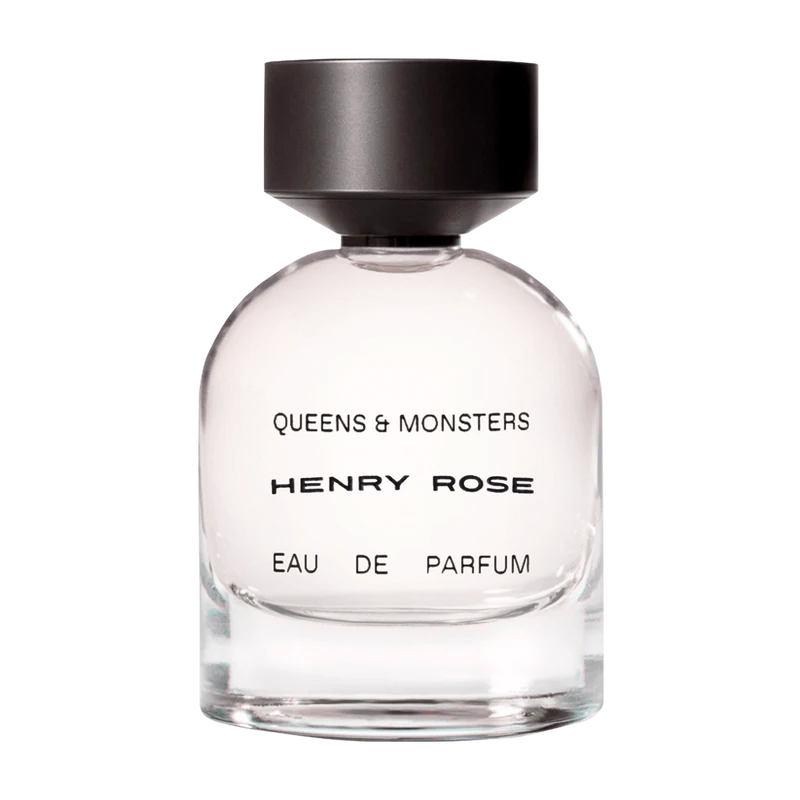
HENRY ROSE
Queens & Monsters
A gender-neutral blend where sandalwood and amber ground neroli and freesia in confident warmth.
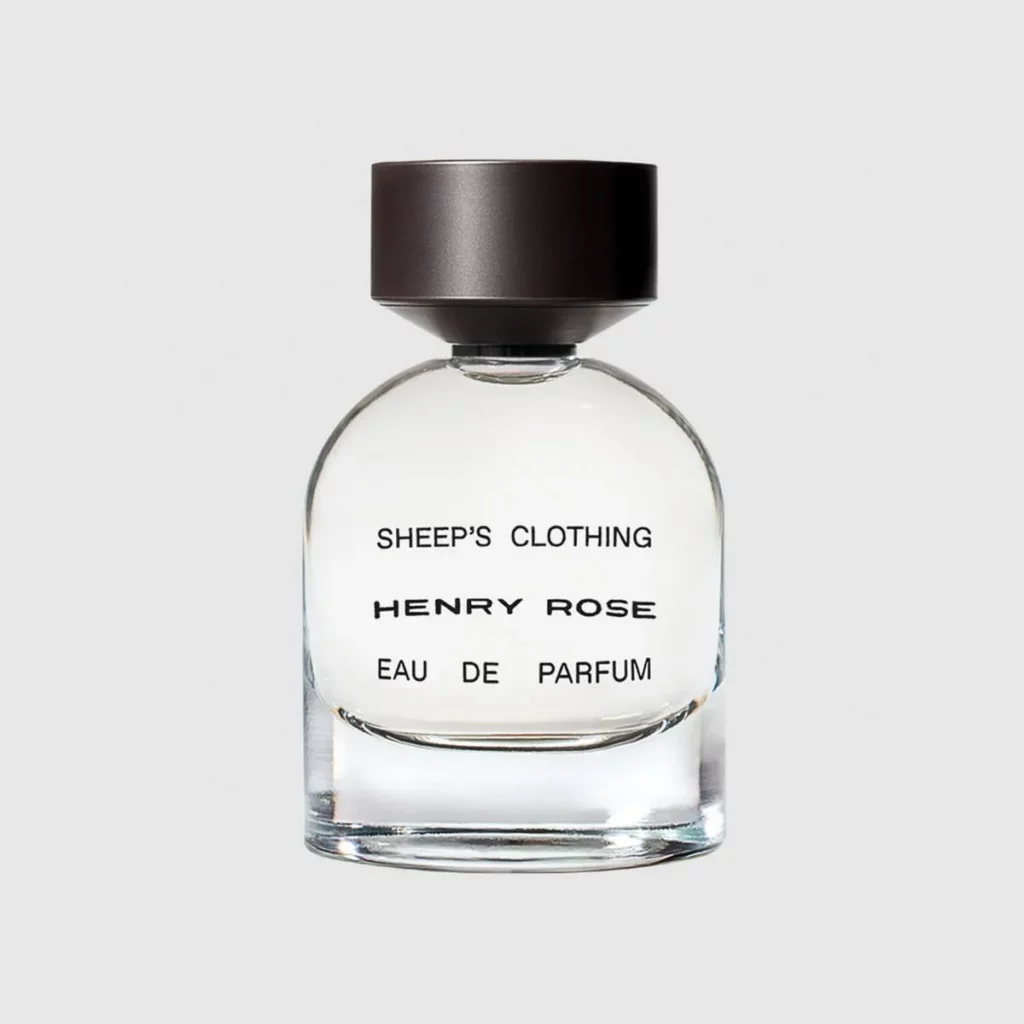
HENRY ROSE
Sheep’s Clothing
Pink peppercorn and Turkish rose melt into soft amber, creating a quietly addictive finish.
A New Standard of Scent
The global fragrance industry, once dominated by synthetics and excess packaging, is now awakening to a more conscientious audience. The market, valued at over $33 billion in 2021 and expected to surpass $47 billion by 2027, is evolving not just in scale, but in spirit.
Millennials and Gen Z — with their purchasing power and planet-first mindset — are reshaping what it means to smell good. Studies show that 85% of millennial consumers now prefer brands that prioritize sustainability, while 73% of Gen Z are willing to pay more for eco-friendly products. This generational shift has turned perfumers into innovators, tasked with creating beauty that resonates with both conscience and couture.
Luxury Goes Green — and Genderless
When Ralph Lauren introduced Polo Earth, it wasn’t just another perfume launch — it was a declaration of intent. The fragrance, infused with seven responsibly sourced ingredients including green mandarin, sage heart, and diva lavender, was crafted with plant-based alcohol and no synthetic colorants or preservatives.
Even its packaging tells a story: the refillable glass bottle is made with 20% post-consumer recycled materials, capped with sustainably sourced wood, and wrapped in FSC-certified paper — no cellophane, no excess, just elegant restraint. “This is only the beginning of what sustainability in fragrance can be,” said David Lauren, the brand’s Chief Innovation Officer.
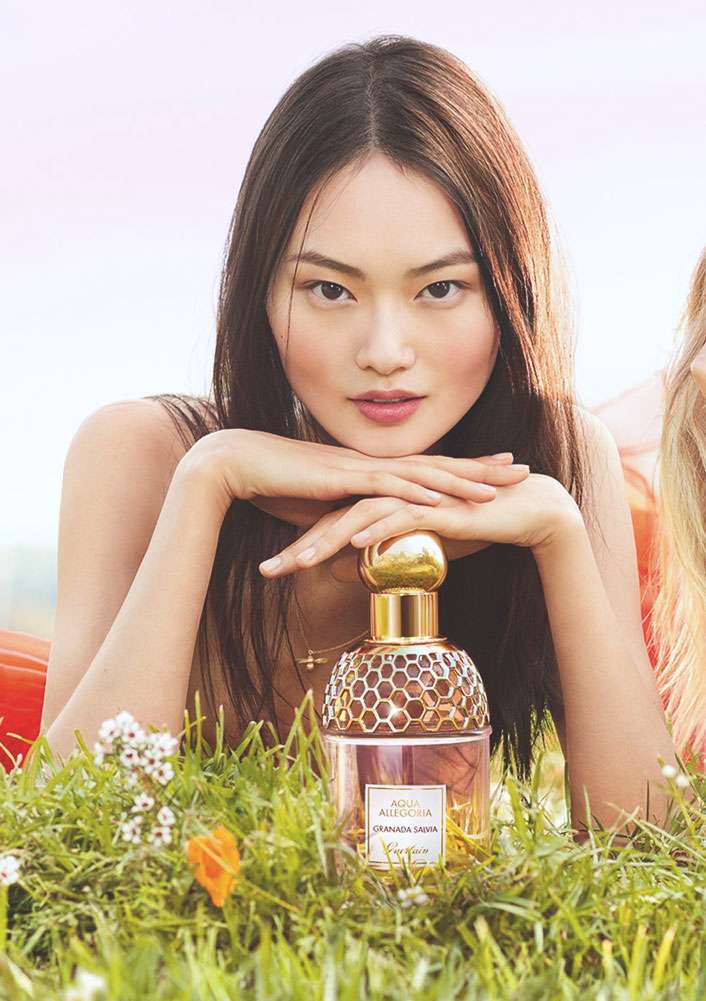
And this ethos is catching fire across the beauty landscape. Guerlain’s Aqua Allegoria line followed with bottles composed of recycled glass that emit 60% fewer carbon emissions in production, while Chanel’s N°5, the eternal icon of femininity, embraced biodegradable packaging and eco-conscious glass on its 100th anniversary edition.
For heritage brands known for opulence, this quiet transformation signals a radical truth: the new definition of luxury is responsibility.
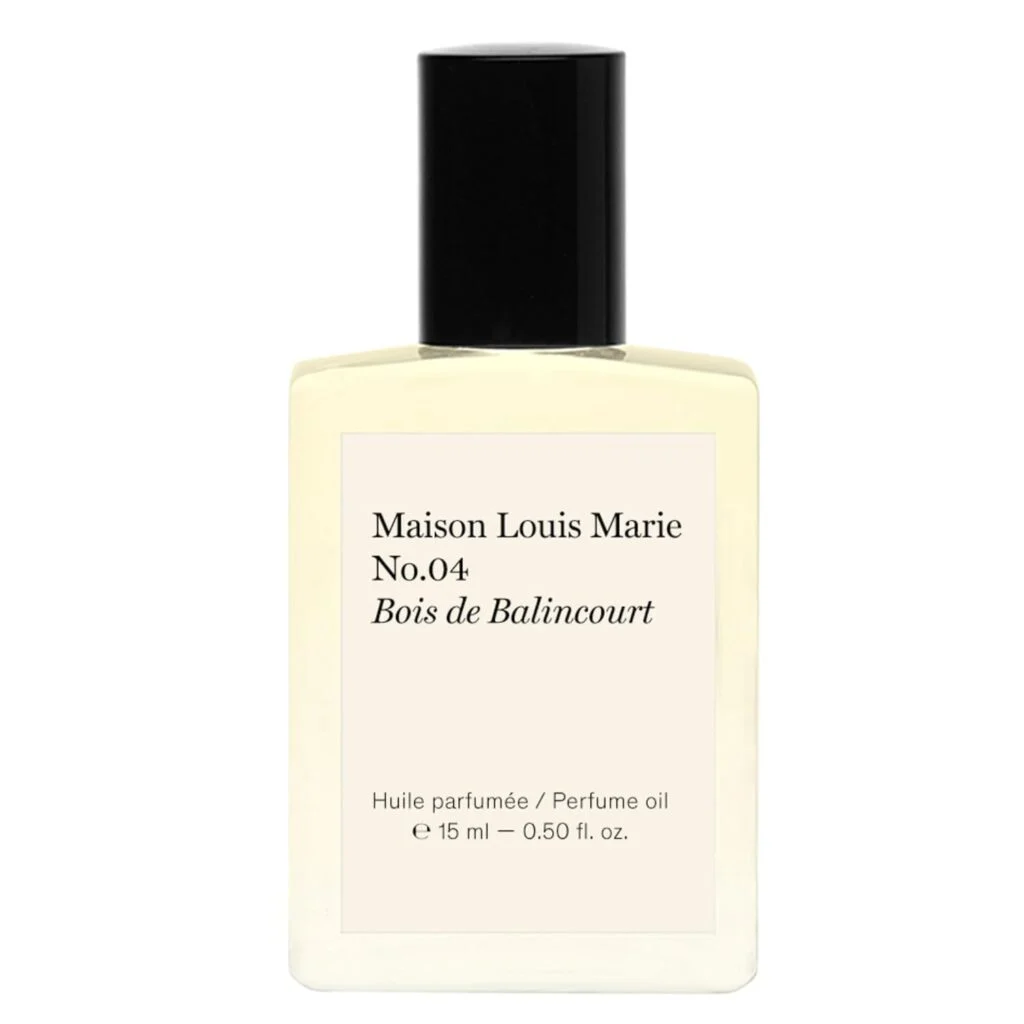
No.04 Bois de Balincourt
A cult-favorite earthy-amber fragrance where sandalwood and cedarwood meet nutmeg, vetiver, and cinnamon, grounded by a creamy amberwood base that feels both warm and clean.
$98
MAISON LOUIS MARIE
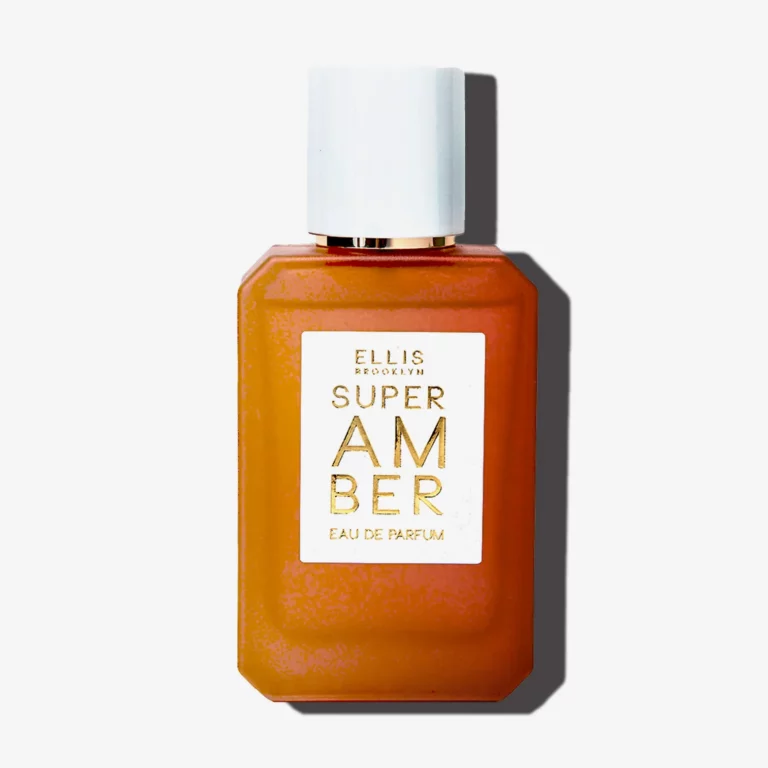
Super Amber
A cozy, super warm, addictive scent that envelops like a cashmere blanket on warm bare skin.
$115
ELLIS BROOKLYN
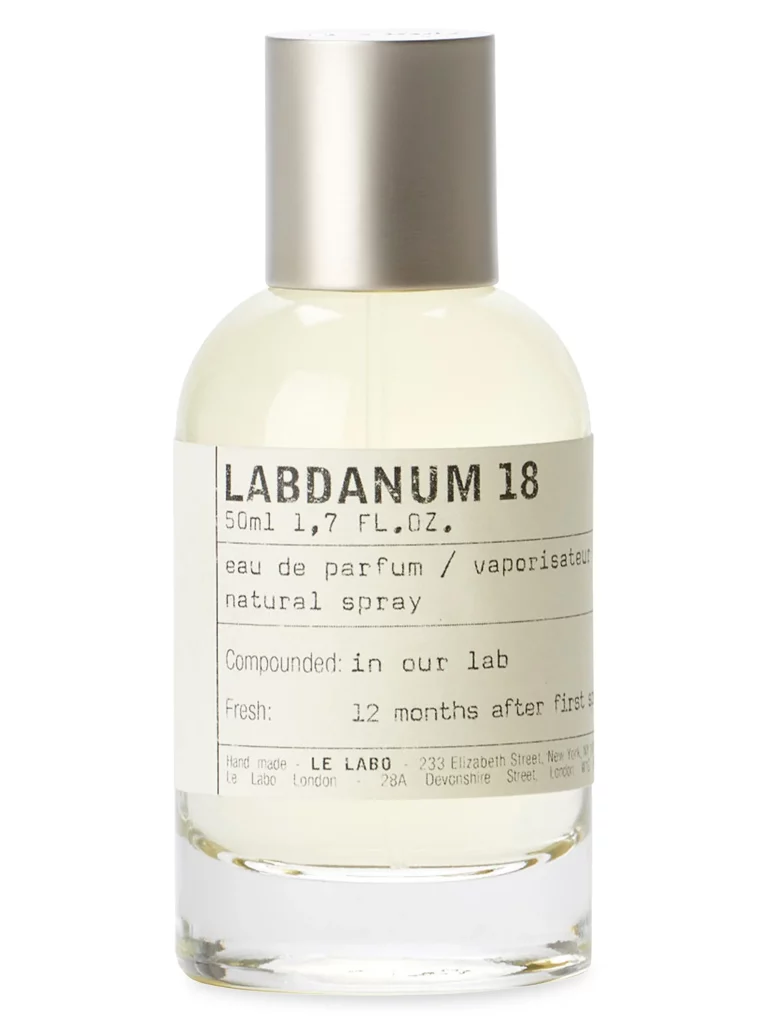
Labdanum 18
Amber resin and musk intertwine with animalic depth for a scent that feels both classic and untamed.
$340
SAKS FIFTH AVENUE
The Invisible Cost of Scent
But behind the glamour of perfume lies a less fragrant reality. Traditional formulations often rely on ingredients like alcohol, benzyl acetate, and methylene chloride — substances listed as hazardous by the Environmental Protection Agency. Even the elegant “fragrance” listed on a label can hide dozens of unlisted synthetic chemicals derived from petroleum.
When released into the air, these compounds don’t simply vanish — they contribute to ozone pollution at rates comparable to car emissions, according to the National Oceanic and Atmospheric Administration.
Then there’s the matter of glass — the symbol of luxury. Heavy glass bottles may feel indulgent in the hand, but they demand significant raw materials and carbon to create and transport. As Alex Choueiri, Global President of Ralph Lauren Fragrances, candidly stated, “We’ve long equated luxury with weight. But real elegance lies in lightness — in reducing impact without losing beauty.”
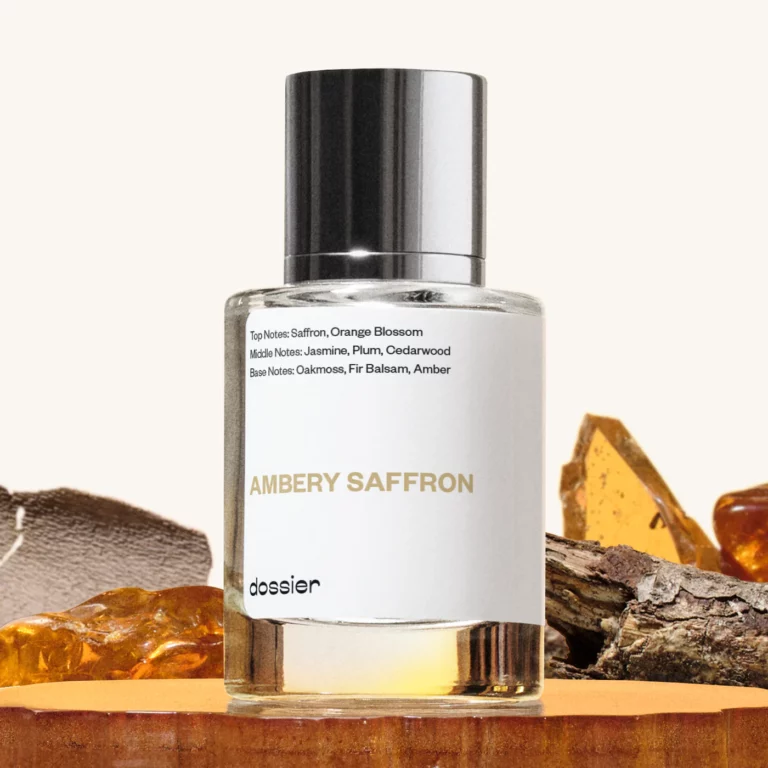
Ambery Saffron
Saffron and cedarwood ignite against a sultry amber base, balancing sophistication with accessibility.
$49
DOSSIER
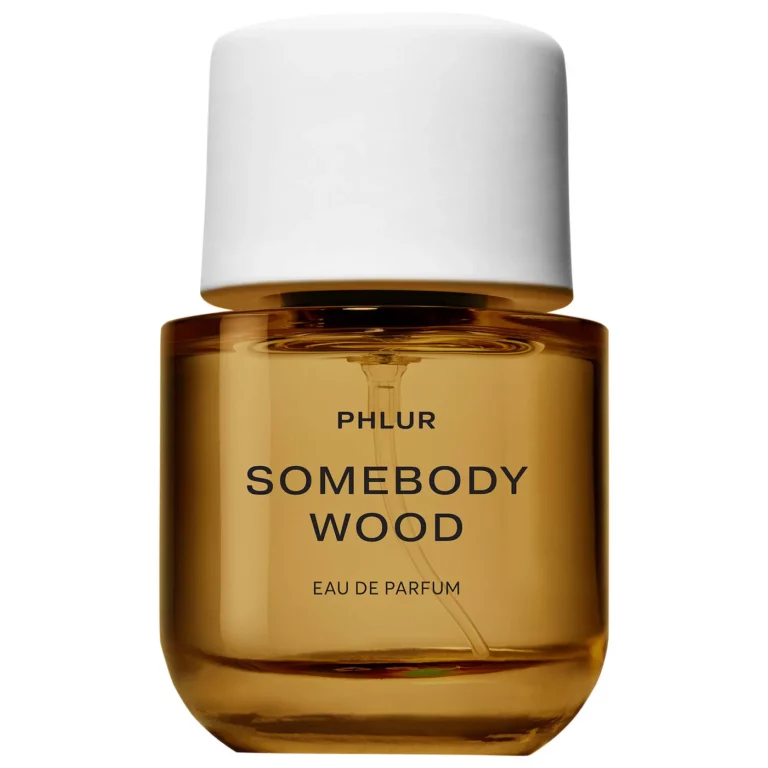
Somebody Wood
A bright burst of bergamot and lemon opens before saffron and cyclamen deepen into creamy sandalwood, vanilla and spicy amber for a warm, cozy unisex finish.
$99
SEPHORA
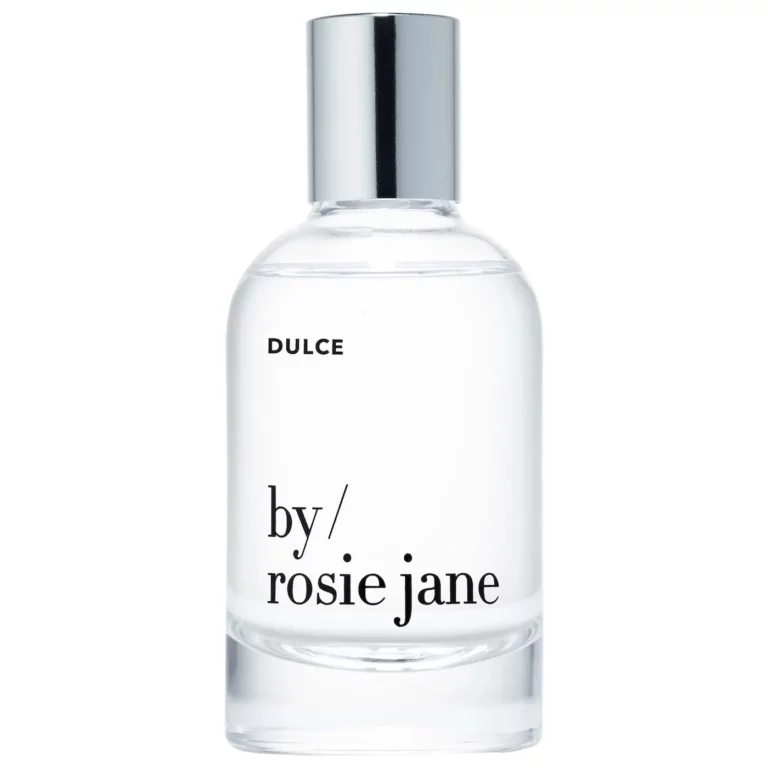
Dulce
Rich vanilla bean and brown sugar melt into dulce de leche and vanilla blossom, anchored by hinoki wood and amber for a sweet yet wood-balanced gourmand.
$80
SEPHORA
Designing with a Conscience
To meet this challenge, manufacturers are finding new ways to make luxury sustainable. Italian glassmaker Bormioli Luigi introduced its EcoLine series — ultra-light bottles that retain visual beauty while minimizing environmental strain. Meanwhile, refillable and modular perfume designs are becoming the new gold standard, inviting consumers to cherish a single bottle for a lifetime rather than discard it for the next trend.
Brands like The 7 Virtues and Henry Rose, founded by actress Michelle Pfeiffer, have gone further, creating vegan, cruelty-free, and non-toxic formulations verified by environmental watchdogs. Their philosophy is clear: clean beauty isn’t an alternative — it’s the evolution of luxury.
The Poetry of Upcycling
One of the most captivating developments in modern perfumery is the rise of upcycled fragrance — turning what was once waste into wearable art.
In 2018, French brand État Libre d’Orange released I Am Trash, the world’s first luxury perfume made entirely from discarded materials: bruised apples from the food industry, leftover sandalwood chips, and spent rose petals. The result? A scent both romantic and rebellious. “There’s something poetic about connecting beauty with waste,” said founder Etienne de Swardt.
This philosophy is redefining creativity itself — proving that innovation often begins where waste ends.
Beyond the Bottle
But sustainability in fragrance isn’t just about ingredients or packaging — it’s a holistic mindset. True reform means reimagining every part of the supply chain: from farmers who grow the botanicals to artisans who craft the bottles, to the logistics that deliver each product.
Many luxury houses are now investing in regenerative agriculture, supporting small farms that replenish soil health, and reducing water consumption during extraction. They’re also embracing transparent sourcing, offering traceability from field to fragrance.
This movement aligns with the growing consumer awareness that sustainability isn’t a fleeting trend — it’s a moral imperative. Luxury can no longer exist in isolation from ethics; it must evolve with empathy.
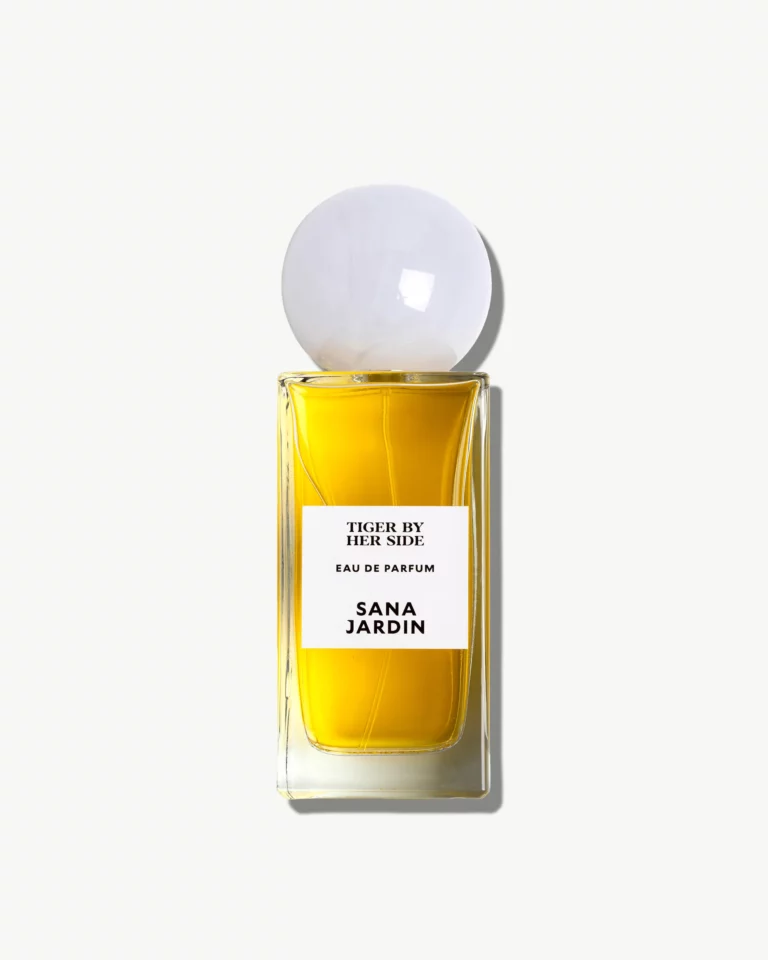
Tiger by Her Side
Top notes of bergamot, cinnamon bark, and coriander seed give way to Moroccan rose, patchouli, and benzoin, settling on vanilla, frankincense, and labdanum for depth and sensation.
$165
CREDO
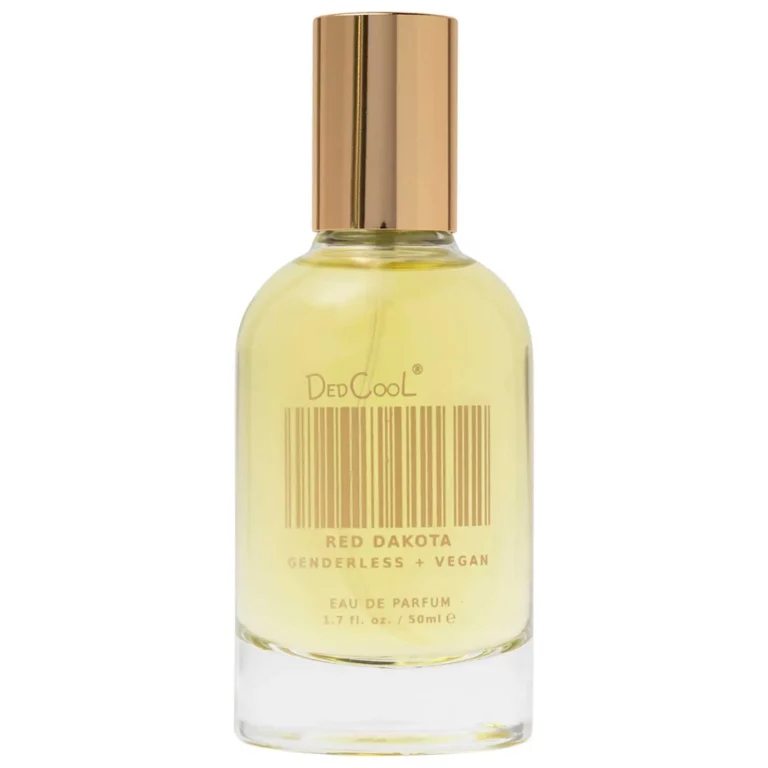
Red Dakota
A clean, gender-neutral blend opening with clementine and gardenia, deepening into wood and amber with wild berry undertones.
$90
SEPHORA
When Nature Becomes the New Luxury
There’s a reason natural scents resonate so deeply — they reconnect us to something primal and pure. A whiff of lavender, a trace of citrus, the earthy pulse of vetiver — these aromas awaken memory and emotion.
But in this new era, the allure isn’t just how perfume smells; it’s how it’s made, and what it stands for. A bottle of eco-conscious fragrance doesn’t merely sit on a vanity — it tells a story of craftsmanship, innovation, and respect for nature.
As more houses align artistry with environmental accountability, the fragrance world is undergoing its most profound renaissance since its birth in Grasse. And as consumers, we’re invited to partake in that evolution — one conscious spritz at a time.
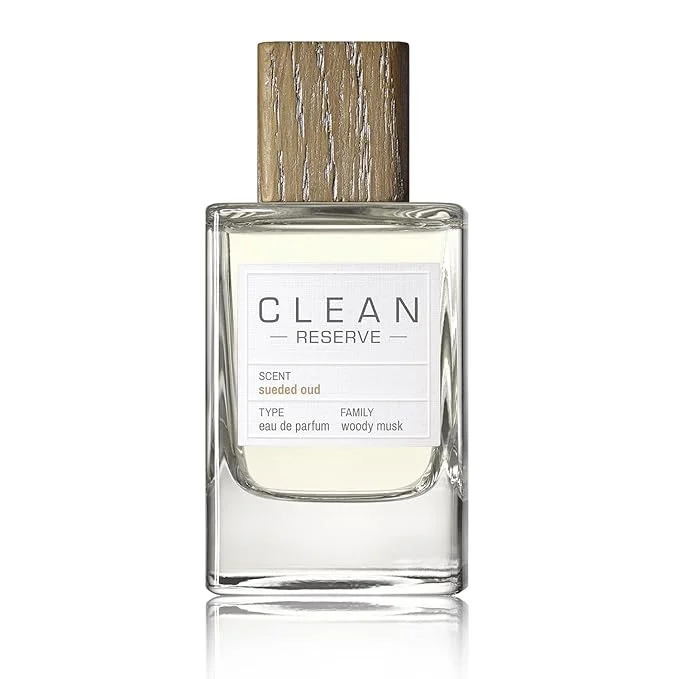
Sueded Oud
Etched in smoky woods, the scent layers birch, cypress, and incense over agarwood and night-blooming jasmine, finishing in suede, musk, amber, and patchouli.
$110
AMAZON
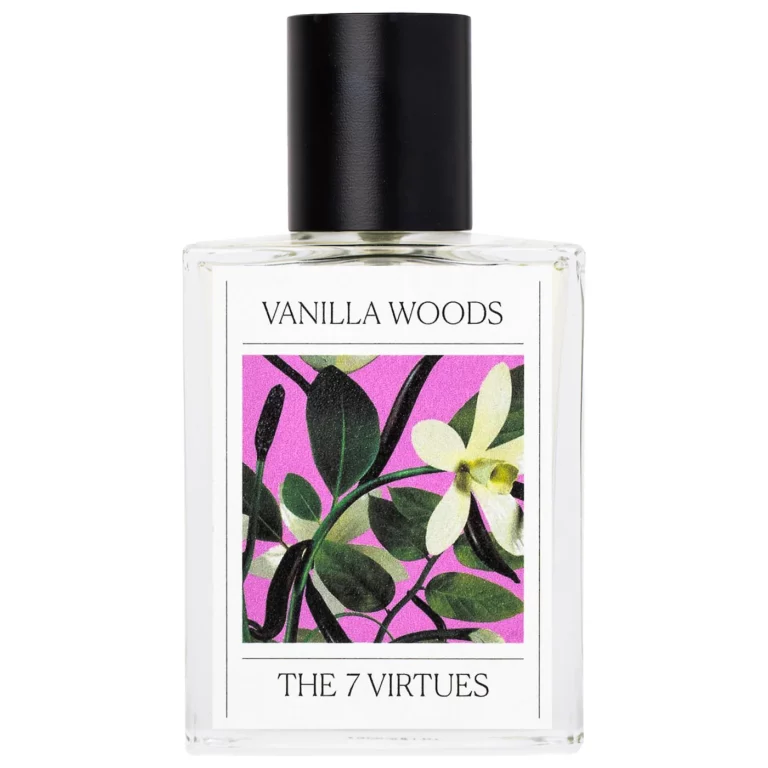
Vanilla Woods
A cozy gourmand where pear and rose bring a fresh opening, then dissolve into vanilla, caramel, and warm amber.
$94
SEPHORA
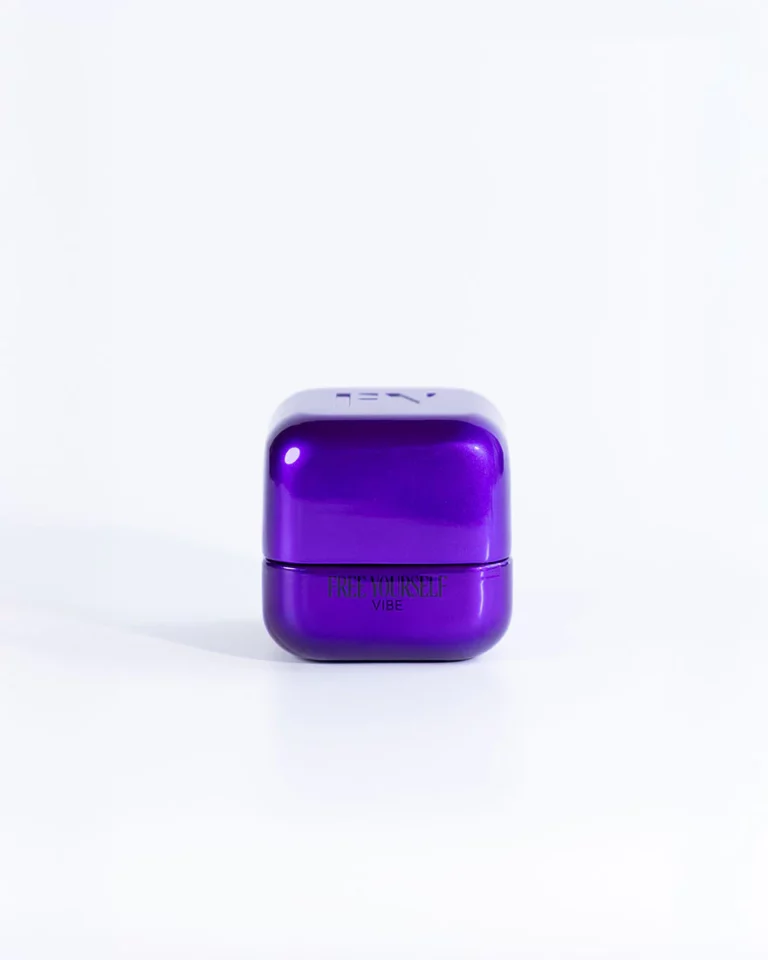
Vibe
A modern amber built on contrasts — sweet and smoky, mineral and warm — where raspberry, suede, and cade fade into a lingering base of vanilla, cedar, patchouli, and fir balsam.
$110
FREE YOURSELF
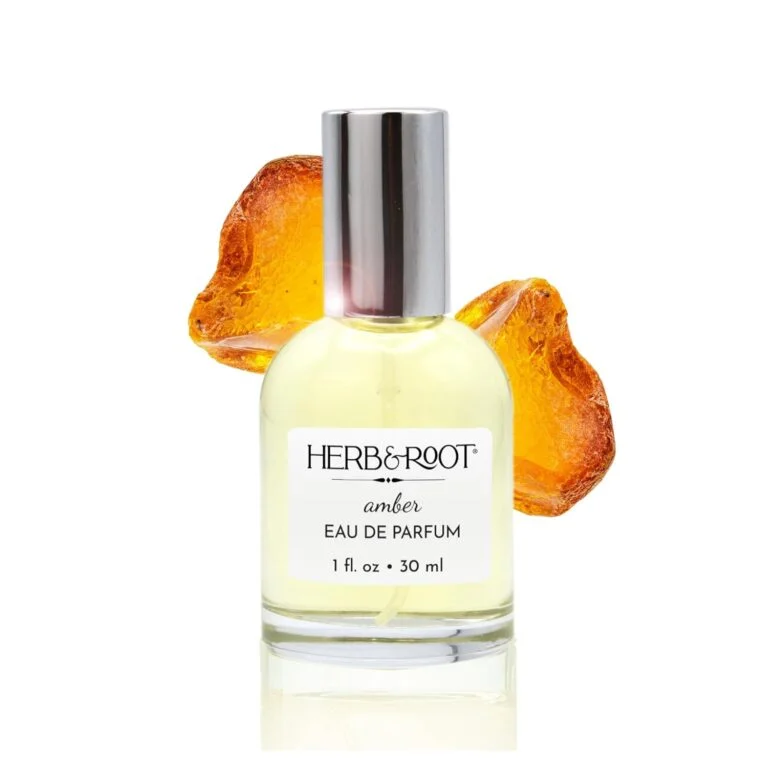
Amber Eau de Parfum
A classic, skin-warming amber that threads through the brand’s entire collection — polishing the brightness of Air, adding gentle depth to Eau, and grounding Terre with subtle sensuality.
$29
AMAZON
The Essence of the Future
Perfume has always been about identity — the invisible signature we leave behind. But now, that signature carries new meaning. It’s not only about seduction or sophistication; it’s about stewardship.
Luxury brands are learning that sustainability doesn’t diminish glamour — it defines it. The most coveted fragrances of tomorrow won’t be measured by how long their scent lingers, but by how lightly their creation treads upon the earth.
Because true beauty, like a great perfume, should never fade — it should evolve.