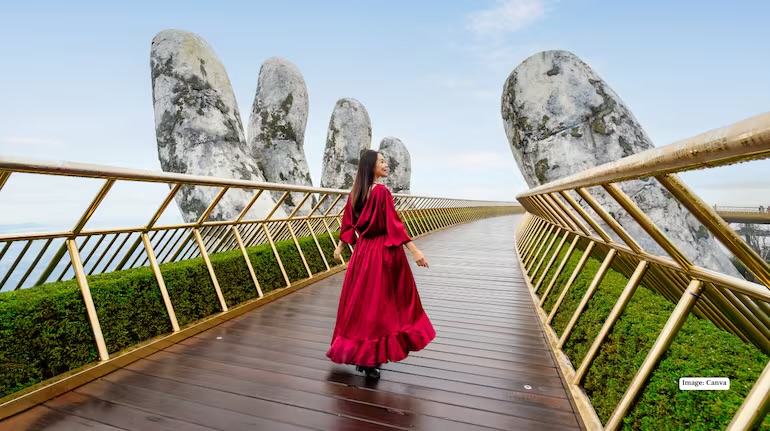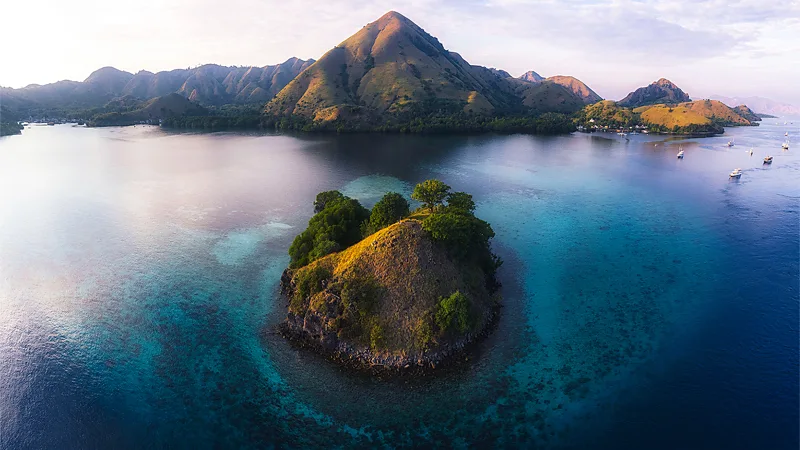
From turquoise Polynesian lagoons to Chile’s vineyard-lined valleys, BBC journalists have selected 20 destinations that stand out for 2026 – not just for their beauty, but for how travel there can support local communities, protect nature and preserve cultural heritage.
Overtourism has made places like Dubrovnik and Rome feel crowded, but nearby alternatives offer the same magic with fewer visitors. Montenegro delivers dramatic coastlines and mountain trails without the crush, Montevideo rivals Buenos Aires for culture and cuisine while ranking among South America’s greenest cities, and Algeria boasts extraordinary Roman ruins largely untouched by mass tourism.
This year’s list focuses on destinations actively shaping a better future for travel. BBC journalists, sustainability experts and local voices helped identify places that welcome visitors while using tourism as a force for conservation, cultural preservation and community benefit.
Here are some highlights from the list:
Abu Dhabi, UAE
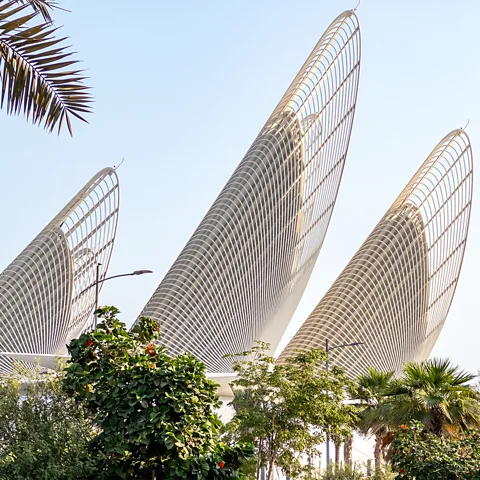
A landmark year for culture and entertainment as Saadiyat Cultural District comes into its own. New openings include the Zayed National Museum, the Natural History Museum Abu Dhabi and the immersive TeamLab Phenomena. Meanwhile, Yas Island expands its theme park offerings, with Harry Potter attractions and future Disneyland plans signalling the city’s bold ambitions.
Algeria
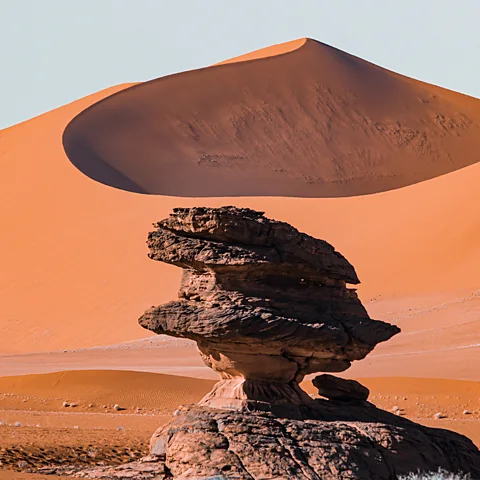 The desert oasis town of Djanet has been inhabited for more than 500 years (Credit: Getty Images)
Long overlooked due to visa barriers, Algeria is opening up. Visa-on-arrival for organised tours, new airline routes and major investments in cultural preservation are making it easier to explore Roman cities like Timgad and Djémila, the historic streets of Algiers and Constantine, and the vast dunes of the Sahara.
Colchagua Valley, Chile
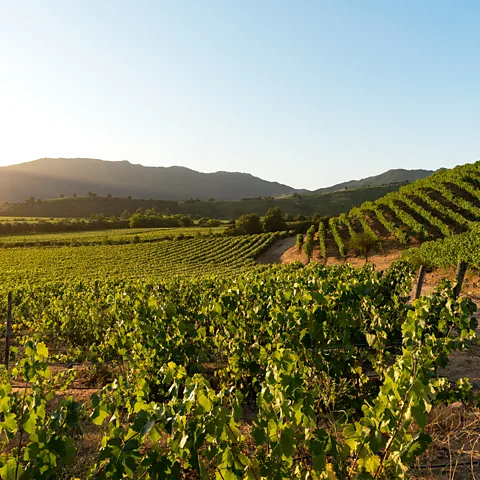 Chile’s Ruta del Vino spans five valleys in the centre of the country (Credit: Montes Wines)
Chile’s wine heartland blends world-class vineyards, cowboy culture and clear night skies. Visitors can stay among the vines, enjoy fire-driven cuisine and explore historic towns, rodeos and observatories along the country’s original Wine Route.
Cook Islands
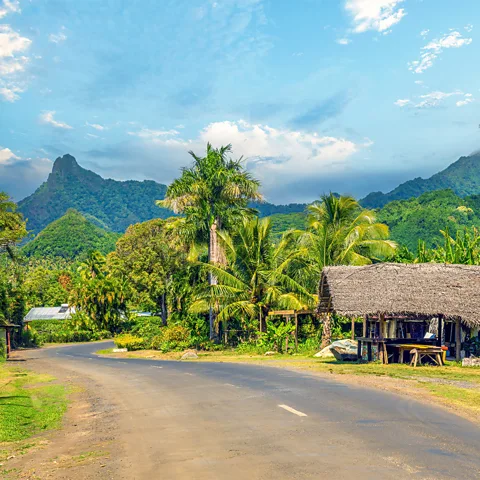 Rarotonga’s Cross-Island Track is a rugged trail that includes Te Rua Manga peak, or “The Needle” (Credit: Getty Images)
Low visitor numbers, vibrant Polynesian culture and improved air access make this island nation one of the Pacific’s most inviting destinations. Strong marine protections, delayed deep-sea mining and new conservation measures ensure tourism helps safeguard land and sea.
Costa Rica
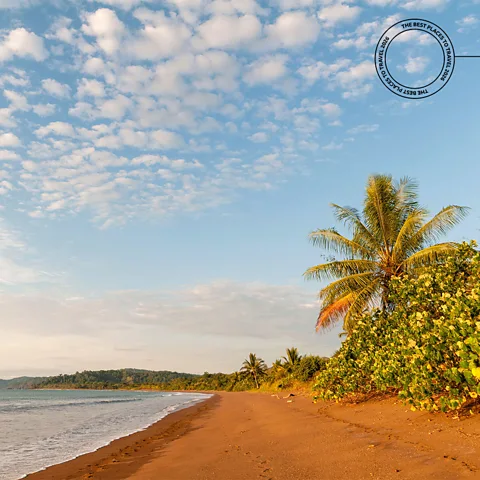 Costa Rica is strengthening conservation on both land and sea with a focus on jaguar habitats and shark protections (Credit: Alamy)
A global leader in conservation, Costa Rica continues to expand protected areas in 2026. From jaguar corridors in the rainforest to shark protections offshore, travellers can experience rainforest, reef and wellness-focused adventures that actively support biodiversity.
Hebrides, Scotland
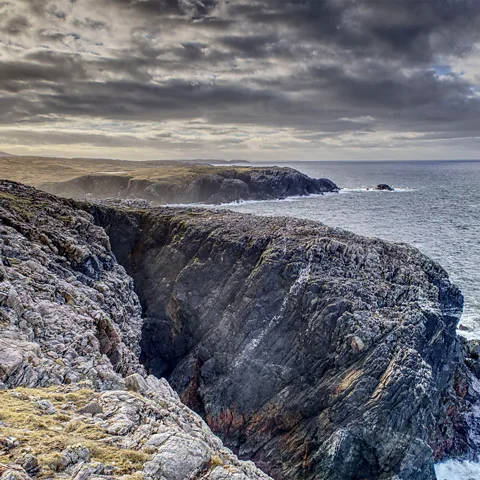 The Isle of Lewis is the largest island in the Outer Hebrides archipelago (Credit: Alamy)
Ancient stone circles, white-sand beaches and a booming whisky scene define this Atlantic archipelago. New visitor centres, distilleries and community-led tourism are helping protect heritage while welcoming travellers.
Ishikawa, Japan
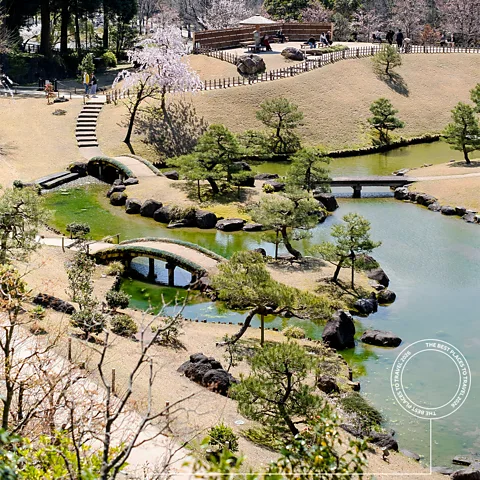 Ishikawa is a 2.5-hour bullet train ride from Tokyo (Credit: Hirotaka Ozawa)
Two years after a devastating earthquake, visitors are being encouraged to return and support recovery. Staying in family-run inns, buying local crafts and tasting renowned sake helps sustain traditions in Kanazawa and the hard-hit Noto Peninsula.
Komodo Islands, Indonesia
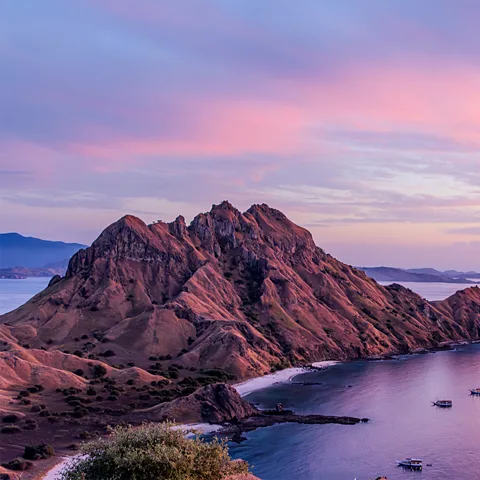 The Komodo Islands are home to the Komodo dragon, the largest lizard on Earth (Credit: Getty Images)
Celebrating 45 years as a national park, Komodo is strengthening conservation and visitor management. With improved access and strict protections, tourism helps preserve Komodo dragons and one of the world’s richest marine ecosystems.
Montenegro
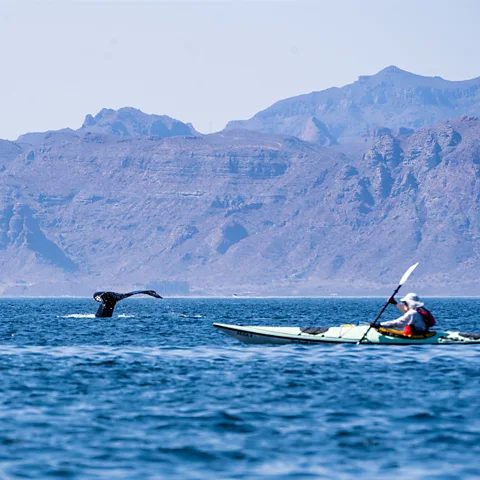 Loreto is developing two new national parks (Credit: Diane Selkirk)
Turning 20 as an independent nation, Montenegro offers fjord-like bays, medieval towns and dramatic mountain wilderness. New hiking routes are using sustainable tourism to revitalise remote communities.
Oulu, Finland
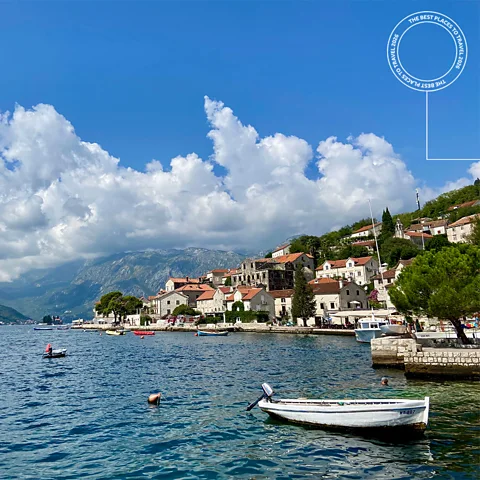 The Bay of Kotor is a Unesco World Heritage site and often referred to as Europe’s southernmost fjord (Credit: Shafik Meghji)
One of Europe’s Capitals of Culture for 2026, this Arctic city blends creativity, climate-focused art and Nordic cuisine with island landscapes, saunas and frontier nature.
Philadelphia, US
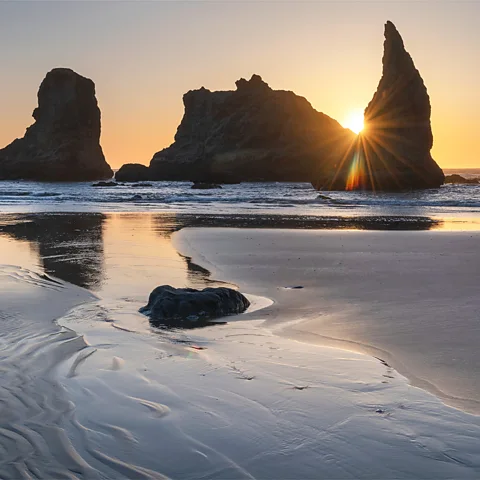 The Oregon Coast is embracing accessibility with sand-friendly wheelchairs and a programme that highlights inclusive lodging (Credit: Getty Images)
As the US marks its 250th anniversary, Philadelphia hosts a year-long programme of history, art and sport – including World Cup matches, major exhibitions and neighbourhood festivals celebrating the city’s many “firsts”.
Uluru, Australia
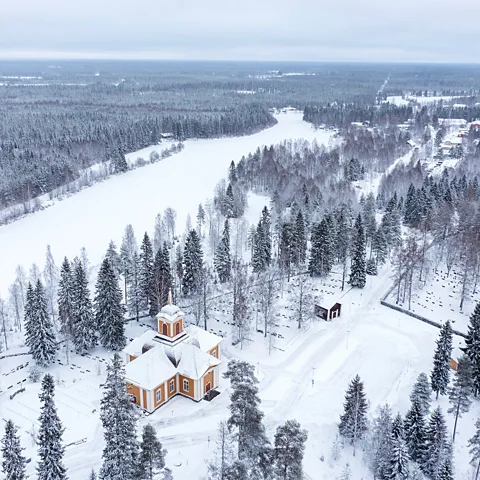 Winter cycling has become a draw for Finland’s new Capital of Culture (Credit: Pelham Communications)
A powerful new five-day signature walk allows travellers to experience sacred Anangu land on Indigenous terms. Revenue supports local communities while offering one of Australia’s most meaningful travel experiences.
Uruguay
 Montevideo is considered one of the birthplaces of tango (Credit: Getty Images)
Small but progressive, Uruguay combines renewable energy leadership, inclusive values, world-class beef and beaches, and cultural depth in Montevideo and beyond.
Loreto, Baja California Sur, Mexico
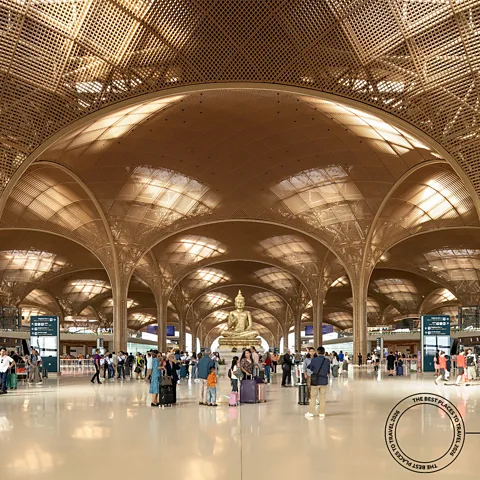 Nigel Young, Fosters and Partners (Credit: Nigel Young, Fosters and Partners)
A pioneer of conservation-led travel, Loreto sits on the Sea of Cortez, one of the most biodiverse marine environments on Earth. As Loreto Bay National Park approaches its 30th anniversary, two new national parks are expanding protected desert canyons, mangroves and wildlife corridors. Visitors can kayak with former fishermen turned naturalist guides, join whale-monitoring efforts or take part in coastal clean-ups. With its historic mission town, desert islands and wildlife-rich waters, Loreto offers adventure rooted in community and conservation.
Oregon Coast, US
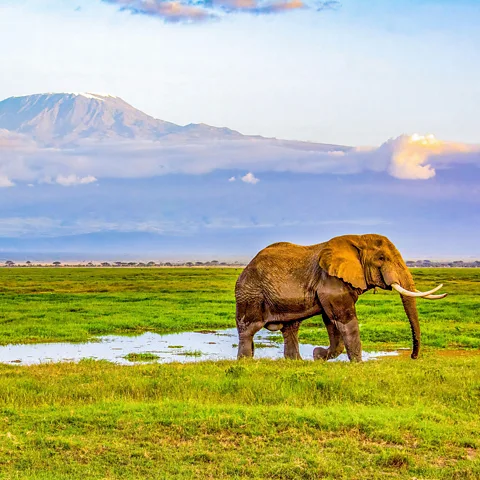 Visitors come to spot the “Samburu Special Five”, rare animals endemic to northern Kenya (Credit: Alamy)
Wild, windswept and entirely public, Oregon’s 370-mile coastline is becoming easier and more inclusive to explore. New seasonal shuttles from Portland, expanded EV charging, sand-friendly wheelchairs and mapped accessible lodging are opening the coast to more travellers. Community-focused initiatives now keep freshly caught seafood local, supporting fishing towns that have long relied on these waters. It’s a dramatic road trip reimagined for sustainable, slow travel.
Phnom Penh, Cambodia
Cambodia’s capital is entering a new era. The opening of Techo International Airport is transforming access, while pedestrian-friendly riverfronts, electric tuk-tuks and restored Modernist architecture are reshaping the city. A new generation of Cambodian creatives is driving a revival through sustainable boutiques, distilleries and cafes. Phnom Penh’s past is being preserved, but its future feels confident, creative and unmistakably local.
Guimarães, Portugal
Often overlooked despite being Portugal’s birthplace, Guimarães pairs medieval streets with youthful energy. In 2026, the city celebrates both 25 years as a Unesco World Heritage site and its designation as Europe’s Green Capital. Electric transport, restored riverbanks and repurposed historic buildings showcase how sustainability and heritage can coexist. With a lively food scene and thriving arts culture, Guimarães is quietly one of Europe’s most compelling cities.
Samburu, Kenya
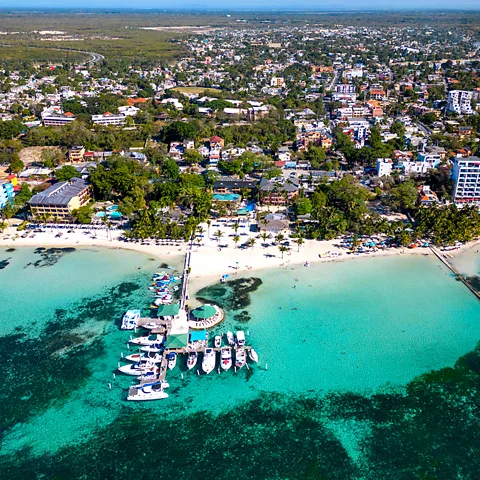 Boca Chica beach is just one of the Dominican Republic’s beloved beaches (Credit: Getty Images)
Remote, crowd-free and rich in wildlife, Samburu is deepening its commitment to community-led conservation. New lodges, reforestation efforts and Kenya’s first astrotourism experiences are redefining adventure in the region. Visitors can track rare species, support rhino and elephant conservation, and explore the night sky with Indigenous guides. Samburu offers a powerful blend of nature, culture and purpose-driven travel.
Santo Domingo, Dominican Republic
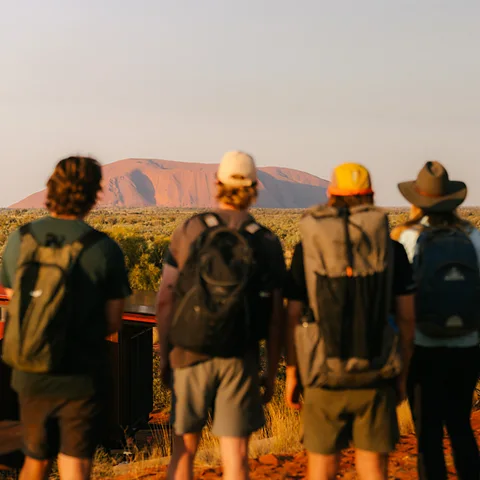 A new hike is reshaping how visitors experience the world-famous red rock (Credit: Michael Peters)
As host of the 2026 Central American and Caribbean Games, Santo Domingo is buzzing with renewal. Historic streets in the Zona Colonial have been restored, sports venues modernised and accessibility improved. Beyond the celebrations, the city pulses with merengue and bachata, white-sand beaches and a packed calendar of festivals. New luxury openings and eco-conscious developments are adding fresh appeal to the Caribbean’s oldest European city.
The Slocan Valley, British Columbia, CanadaIn 2026, a new 60km Japanese Canadian Legacy Trail opens through this serene mountain valley, honouring the communities forcibly interned here during World War Two. Linking memorials, museums and lakeside sites, the trail offers a reflective journey through history amid forests, hot springs and clear lakes. It’s travel that invites understanding, remembrance and connection with both place and people.