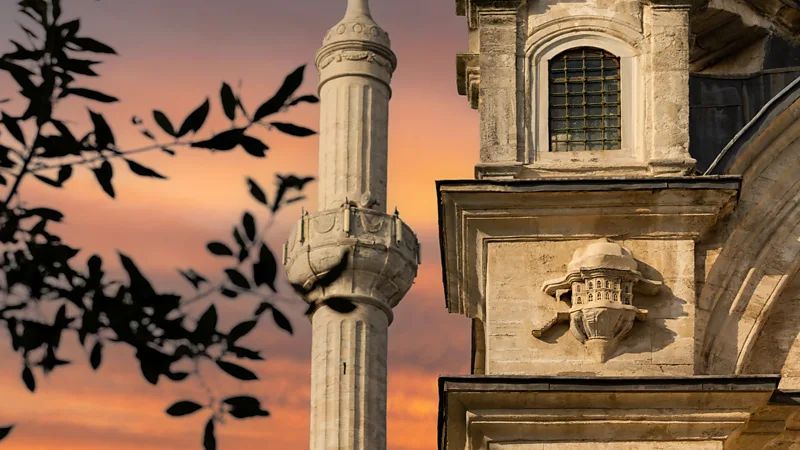
In cities like **Istanbul and beyond, Turkey’s Ottoman-era “bird palaces” elaborate birdhouses built into historic buildings offer a rare glimpse into the empire’s architectural ingenuity and humane thinking. These miniature structures, some dating back hundreds of years, were designed to shelter birds and decorate façades, combining practical function with artistic detail. Today, they remain scattered across the urban landscape, quietly preserving a centuries-old tradition. Türkiye Today+1
Bird palaces, known locally as kuş köşkü (bird pavilion), güvercinlik (dovecote) or serçe sarayı (sparrow palace), began appearing in Ottoman architecture as early as the 16th century. Unlike simple bird boxes, these were miniature structures often resembling tiny versions of mosques, palaces or houses complete with balconies, niches and decorative motifs that echoed the style of their host buildings. visit.istanbul
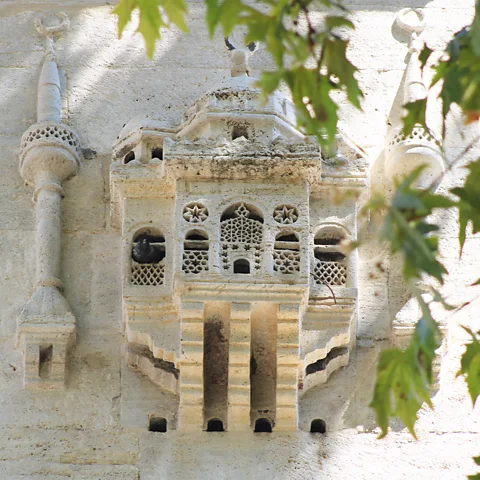 Getty Images
Istanbul is home to dozens of masterfully carved “bird palaces” from the Ottoman era (Credit: Getty Images)
Ottoman builders integrated these birdhouses into the walls of mosques, madrasas, fountains, mausoleums and other public buildings, thoughtfully placing them high on façades to protect feathered residents from predators and harsh weather. The position also ensured that birds would not nest inside the walls or damage the structures, making them both practical and ornamental. visit.istanbul
The craftsmanship reflected a deep respect for nature. Birds such as sparrows, pigeons, swallows and starlings found refuge in these mini-architectural marvels, sheltered from rain, wind and sun. In cities with cold winters like Istanbul, these spaces offered vital shelter, allowing birds to survive seasonal extremes while contributing to the urban ecosystem. Türkiye Today
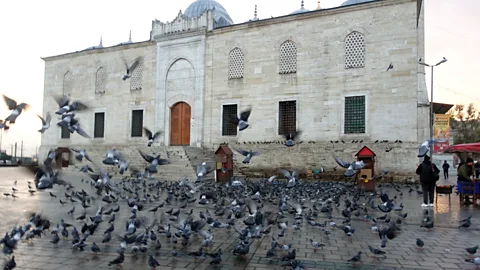 Jennifer Hattam
Birds and bird palaces had a special significance within Ottoman society (Credit: Jennifer Hattam)
More than functional homes, the bird palaces were statements of aesthetic sensibility. They were often built with the same attention to proportion, ornamentation and harmony that defined Ottoman architectural masterpieces, providing visual delight even at a distance. Placed under eaves or along ornate walls, they contributed to the rhythm and detail of historic façades. visit.istanbul
Examples remain in many parts of Turkey, though time and weather have taken their toll. In Istanbul’s historical districts such as Fatih and Üsküdar, richly detailed birdhouses still cling to the façades of structures like the Bali Pasha Mosque, the Valide-i Cedid Mosque and the Fatih Millet Library. These surviving examples showcase the variety of forms and sizes that Ottoman craftsmen employed, from simple niches to multi-cell “palaces.” visit.istanbul
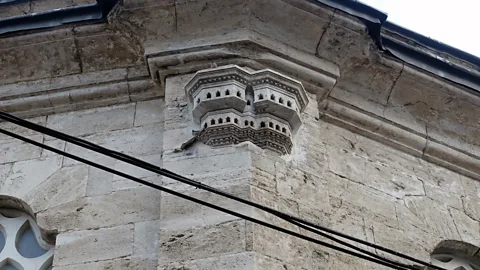 Jennifer Hattam
Many bird palaces decorate religious structures (Credit: Jennifer Hattam)
The tradition was more than architectural whimsy. In Islamic culture, compassion toward animals carries spiritual significance, and acts of kindness even toward birds were believed to be meritorious. Providing shelter for birds was seen as both an ethical duty and an expression of piety. This cultural backdrop helped elevate the construction of bird palaces from a practical task to a respected art form. Atlas Obscura
Foreign visitors to the Ottoman lands in the 19th century took note of these distinctive features. In accounts from the period, travellers remarked on the abundance of birds in cities like Istanbul, attracted by the extensive network of birdhouses and the generosity of locals who often left food and water for them. The structures were seen as emblematic of a society that intertwined daily life, faith and architectural expression. visit.istanbul
Over time, building bird palaces became a recognised component of Ottoman architectural language. Craftsmen used materials suited to their setting; early examples constructed of wood gave way to more durable brick and stone structures that could better withstand the elements. Decorative patterns geometric motifs, tiny arches, and carved stone details echoing larger architectural trends of the empire, helped these tiny structures blend seamlessly into their surroundings.
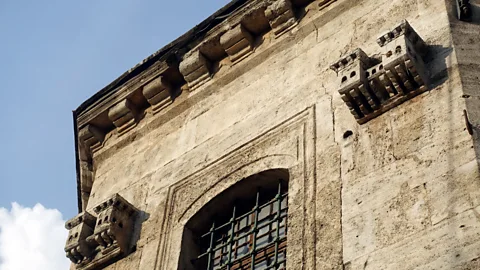 Jennifer Hattam
Today, most travellers hardly notice these ancient avian dwellings (Credit: Jennifer Hattam)
Today, identifying and visiting Turkey’s bird palaces offers a unique window into the empire’s urban culture. Many are tucked into unexpected corners of historic mosques or lining ancient hawkish walls, waiting to be discovered by wandering visitors. Their survival through centuries of change enhances our understanding of how the Ottomans conceived of built space as inclusive of all life forms human and animal alike
While modern birdhouses are utilitarian and commonplace, their Ottoman predecessors were designed as miniature works of architecture that contributed to the dignity of the whole. Their preservation helps tell a fuller story of the Ottoman city, where beauty was not limited to palaces and mosques but extended to the needs of living creatures sharing urban life.
For travellers exploring Turkey’s layered history, spotting a stone bird palace can be a reminder of the empire’s blend of compassion, functionality and artistic ambition. What may first appear as a decorative detail reveals a broader cultural ethos one that connected people, buildings and the natural world in enduring harmony.