A clipped reply at a ticket window, a cashier who will not meet your gaze, or a server who sounds rushed can stick with you longer than any skyline photo. Those moments are loud and personal, so bigger samples help separate a bad beat from a broader pattern. Take the results as a planning signal, not a verdict on human nature.
Etiquette runs on different operating systems. In certain big urban hubs, politeness looks like efficiency, and warmth arrives after repeated contact. Crowd pressure, speech expectations, and tight circles can all produce a frosty opening impression without any intention to offend. Use the notes below to steer expectations, then let real interactions do the final judging.
1. Paris, France

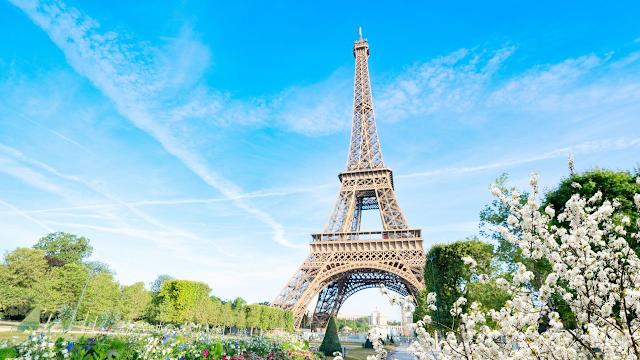
In the Rough Guides reader vote (updated 1st May 2025), Paris ranked as the world’s least welcoming city. Many comments pointed to brusque service moments, especially in high-traffic spots where speed matters more than small talk. A prickly first hour can happen fast when fatigue and confusion collide.
Start each exchange with a clear greeting and a brief attempt in the local tongue, then keep requests simple. Slower formats such as a neighborhood walk, a market visit, or a small museum slot give conversation room to breathe. If a moment turns sour, switch venues rather than escalating tension.
2. Moscow, Russia

That same reader vote ranked Moscow 2nd among the least welcoming cities. Remarks described a guarded vibe, where questions can register as interruptions instead of casual chat. In security-minded capitals, the default posture is to keep moving.
Plan for self-reliance: offline maps, addresses in the local script, and a guided activity as an anchor. Quieter cafés and smaller galleries can feel softer when patience sets the tone. A calm, courteous approach tends to work better than pushing for instant warmth.
3. Madrid, Spain

The same 2025 update also ranked Madrid among the least welcoming cities, with many comments pointing to pace. Voters described a hurried street rhythm that can read as curt to someone on a break. In packed districts, short answers may signal time pressure rather than dislike.
Shift schedules to dodge peak crowding. Early entry tickets, late lunches, and a loop through calmer neighborhoods can change the atmosphere quickly. A tapas crawl or small-group walk can unlock easier chat because the setting gives people a reason to engage.
4. Marrakesh, Morocco

Marrakesh appeared in the reader roundup with repeated complaints about hard-sell encounters in shopping zones. Several remarks focused on feeling treated like a target, particularly around busy souks where bargaining is expected. When every greeting carries a pitch, trust drains fast.
Add structure and boundaries. Agree on prices before any service, use licensed guides for maze-like areas, and keep a steady stride when you are not shopping. Workshops, cooking sessions, or artisan visits can feel calmer because the exchange is clear and time-based.
5. Barcelona, Spain

Barcelona made the bottom five, and theft concerns showed up as a major theme in the reader comments. Constant pickpocket awareness can make people more guarded, which can read as impatience in tourist-heavy corridors. The tone often shifts once the day moves away from the busiest strips.
Treat security as part of the plan. Keep phones off table edges, zip bags fully, and choose dinner streets where regulars linger. Smaller tapas bars can feel more relaxed because the crowd is there to stay awhile, not sprint between sights.
6. Munich, Germany

In InterNations’ 2024 Ease of Settling In Index for Cities, Munich ranked 53rd out of 53. Survey results show weak settling-in scores, including feeling welcome and making local friends. New arrivals often lean on other internationals for company, which can feel isolating.
Consistency beats luck. Commit to a recurring club, class, or volunteer shift and show up weekly until faces become familiar. Hobby-driven meetups work well because conversation starts with a shared interest instead of forced small talk.
7. Hamburg, Germany

Hamburg ranked 52nd in InterNations’ 2024 Ease of Settling In scorecard. Results point to difficulties around feeling welcome and integrating socially, with the city scoring poorly on several settling-in factors. When schedules are tight and social circles are established, invites can feel rare.
Build a personal circuit. Join a team sport, choir, or community workshop where attendance is steady and introductions happen naturally. Treat the first month as groundwork rather than instant companionship.
8. Berlin, Germany

Berlin ranked 51st in the same InterNations 2024 scorecard, and InterNations also describes it as the unfriendliest city in the ranking. Many respondents report struggling to feel at home and to enjoy their social life. A massive, fast-changing capital can feel anonymous, great for reinvention, and rough for rootedness.
Aim at niche communities over broad nightlife. Makerspaces, book clubs, language exchanges, or sport groups can shrink the map into a recognizable world. A dependable ritual, like the same café every Saturday, can do more than chasing random encounters.
9. Frankfurt, Germany

In the 2024 settling-in ranking, Frankfurt placed 50th. InterNations’ 2024 German-cities breakdown notes the city ranks in the bottom 10 for nearly every factor of the Ease of Settling In Index and highlights both practical and social friction, including bureaucracy hassles and housing strain. Just two in five respondents (40%) give the general friendliness of the local population a favorable rating (vs. 63% globally) in that same write-up: How Expats Rate Life in Six German Cities.
Treat connections as a long game. Use industry circles, hiking clubs, or language tandems that meet on a schedule, then let familiarity grow slowly. Handle paperwork early, since delays can drain the energy needed for meeting new people.
10. Zurich, Switzerland

Zurich ranked 49th in InterNations’ 2024 bottom 10 for settling in. InterNations reports a very high share of expats whose friends are mostly other expats (65% vs. 37% globally), and Zurich ranks last for making local friends: Ease of Settling In Index for Cities. Early on, privacy norms and high efficiency can be misread as indifference.
Match the rhythm. Arrive on time, keep plans specific, and build trust through reliability rather than big talk. Clubs, courses, and outdoor groups work well because participation signals commitment and gives conversation a natural lane.
11. Cologne, Germany

Cologne placed 48th in InterNations’ 2024 city results, and its settling-in picture is still rough: the InterNations German-cities breakdown puts it in the bottom three for social life satisfaction (52nd) and reports that 63% find it difficult to make local friends (vs. 41% globally): How Expats Rate Life in Six German Cities. When apartment hunting is exhausting, even neutral service can feel sharp.
Create more repeat encounters. Aim for events that return weekly, such as neighborhood meetups, sports leagues, or regular group activities, so each visit builds familiarity. A friendly host at a regular spot can become the bridge into a wider circle faster than chasing one-off conversations.