The luxury market is undergoing a profound transformation, moving beyond traditional notions of opulence and status to a new paradigm defined by resilience, purpose, and function. This shift is giving rise to an emergent, highly nuanced aesthetic known as “Apocalyptic Luxury.” This trend is not a uniform style but a confluence of design philosophies, including Avant Apocalypse, Survivalcore, and Techwear, which collectively manifest a pragmatic response to a world grappling with pervasive anxieties. These anxieties, ranging from climate uncertainty and technological upheaval to political instability, are reflected in a new design language focused on durability, adaptability, and emotional armour.
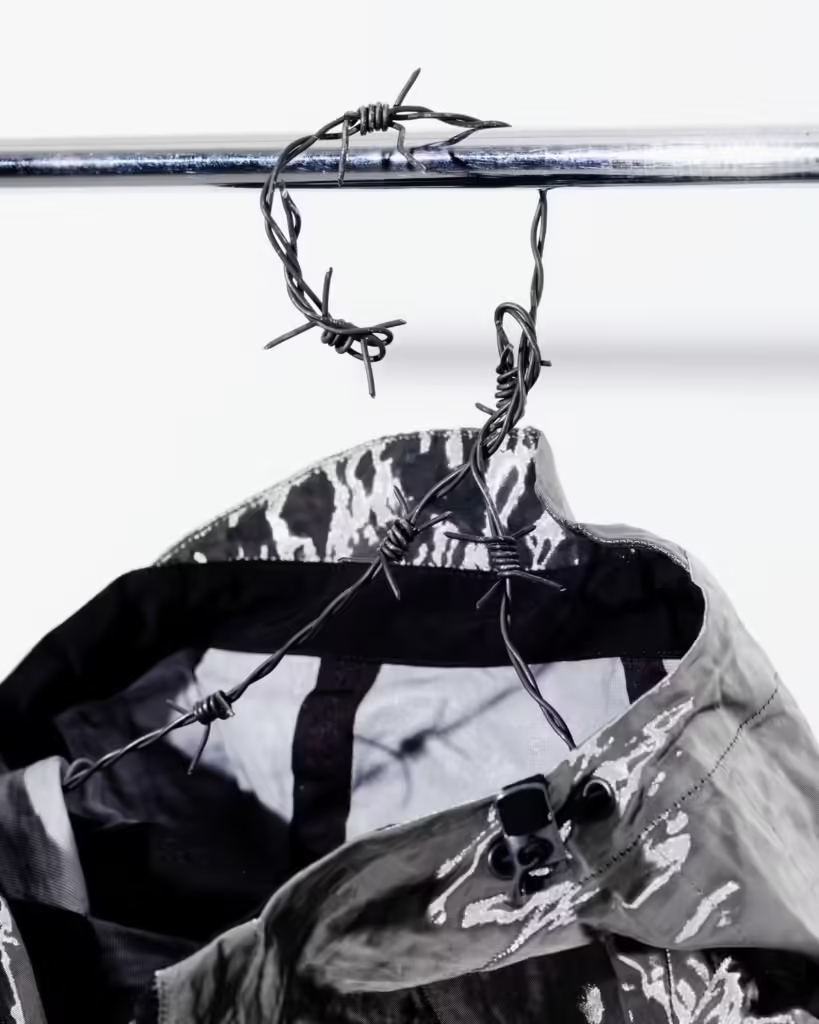
This report analyses the drivers behind this movement, examining its psychological underpinnings, its innovative business strategies, and its long-term implications for the luxury sector. The analysis reveals that the core value of Apocalyptic Luxury lies not just in the garment’s aesthetic but in the story and sense of security it provides. Furthermore, the commercial success of this trend is inextricably linked to a reimagined retail model, with hotels emerging as a pivotal new frontier for creating immersive, story-driven consumer experiences. The findings suggest that this is not a fleeting fad but a philosophical redefinition of luxury, where the ability to endure and adapt becomes the ultimate form of aspirational elegance.
A New Aesthetic for a New Era: Deconstructing the Apocalyptic Look
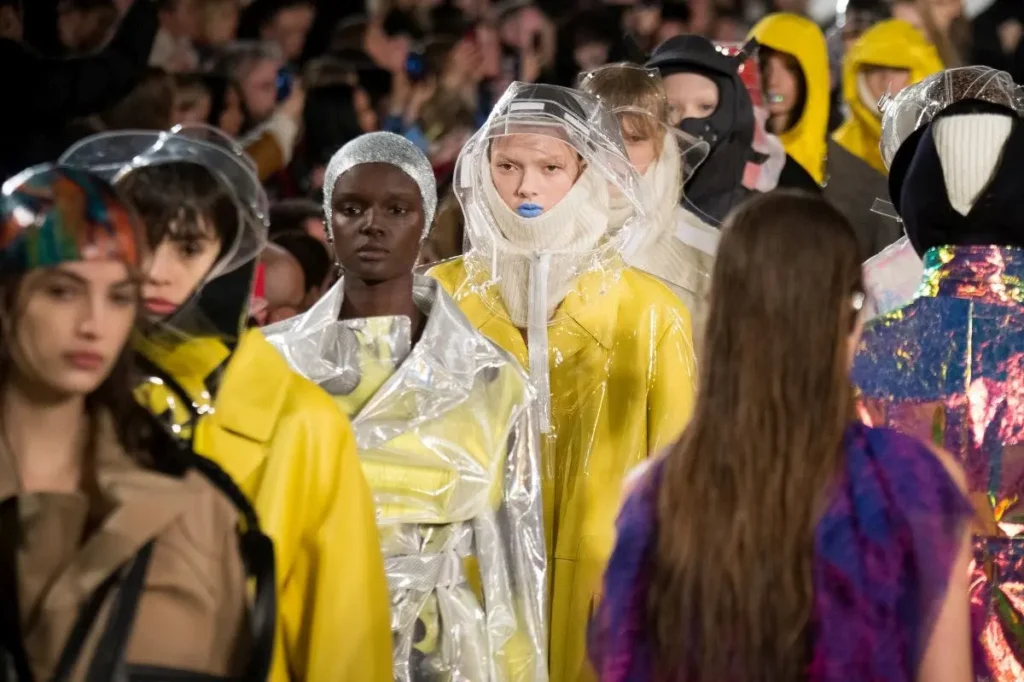
The contemporary fashion landscape is witnessing the emergence of a new aesthetic that synthesises high-end design with survivalist pragmatism. This trend, which can be termed “Apocalyptic Luxury,” represents a fundamental divergence from the purely ornamental to the purposefully functional. Its vocabulary is drawn from the visual narratives of science fiction and dystopian cinema, translating fictional preparedness into real-world sartorial statements. This is not about a single, monolithic style, but a sophisticated blend of three distinct yet interconnected design movements.

The foundation of this aesthetic is the Avant Apocalypse movement, a term coined by trend forecaster Mandy Lee. This style is described as “neutral maximalism,” a deliberate paradox that blends layered chaos with a subdued colour palette. It is characterised by the deconstruction of everyday pieces and the use of asymmetry, often styling clothes in a way that appears “wrong” to the untrained eye. This focus on unconventional silhouettes and clashing fabrics—all within a neutral or earthy colour scheme—creates a high-fashion interpretation of a near-future dystopian outfit. It is a look that has been championed by avant-garde designers such as Rick Owens and Maison Margiela, but its principles of repurposing and layering also make it accessible for do-it-yourself (DIY) expression.
A more utilitarian sub-genre is Survivalcore, which draws heavily from military and outdoor gear. This aesthetic is a direct expression of a mindset focused on resourcefulness, durability, and readiness. Its visual language is defined by elements such as cargo pockets, tactical vests, and a muted, earthy colour palette that symbolises a person prepared for harsh environments. The inspiration for this look often comes from cinematic “Wasteland apparel” seen in films like
Mad Max, where function and ruggedness take precedence over traditional fashion norms. The style is less about fantasy and more about a grounded, practical approach to an unpredictable world.
Finally, the trend integrates elements of Techwear, which adds a layer of futuristic, high-performance functionality. Techwear, pioneered by brands like ACRONYM and Guerrilla Group, utilises advanced fabrics such as GORE-TEX and incorporates modular systems for adaptability. When these elements are merged with the raw, distressed aesthetic of post-apocalyptic fashion, the result is a unique hybrid that is both rugged and sleek. This fusion creates a “battle-ready” vibe that is as provocative as it is practical, blending a high-tech edge with a survivalist sensibility. This hybridisation allows for a wardrobe that is prepared for the urban jungle just as much as it is for a desolate wasteland.

The appeal of this aesthetic goes beyond its visual novelty; it is rooted in a deliberate and philosophical approach to design and materials. The clothing is crafted to tell a story of resilience and adaptability. Key design choices include asymmetrical cuts and deconstructed designs, which signal a departure from conventional fashion rules towards an individualistic and rebellious spirit. This deliberate lack of traditional structure mirrors a world in flux, creating a sense of dynamic visual tension.
Layering is a core technique, serving a dual purpose of adding visual interest while also providing protection and adaptability in a constantly changing environment. This includes using multiple layers of clothing, tactical vests, or modular components like detachable sleeves and pockets, which enhance the garment’s versatility. The primary colour palette is dominated by
muted and sombre hues—blacks, greys, and earth tones—which symbolise survival and function rather than pleasure. This neutral base also enables the trend’s “textural maximalism”. The sobriety of the colours can, however, be offset by technological accents like reflective panels or bright pops of colour, which nod to the fusion of tech and survivalism.
The choice of materials is central to this trend’s philosophy. While Techwear relies on synthetic materials, Apocalyptic Luxury often prefers a mix of natural and high-performance textiles. Sturdy materials like leather, cotton, and wool are favoured for their durability and comfort in a harsh, uncertain world. Pioneering brands like Vollebak are elevating this approach by using advanced, high-tech materials such as graphene, aerogel, and copper-infused textiles, which are designed for endurance and resilience in extreme conditions. The final appearance of the clothing often has a “battle-worn” or distressed aesthetic, with frayed edges and patched-up synthetics. This purposeful wear-and-tear is not an accident of design; it is a form of powerful storytelling. It is a visual language that suggests the garment has a history and its wearer is a survivor who has endured challenges, reflecting a world that has “seen better days”. This deliberate craftsmanship transforms the garment from a simple object of commerce into a symbolic piece of armour, a statement of resilience in an unstable world.
Beyond the Garment: The Psychology of a Trend
The rise of Apocalyptic Luxury is not an arbitrary aesthetic shift; it is a profound cultural phenomenon that acts as a direct reflection of a collective psychological state. The clothing serves as a barometer for societal anxieties, translating a pervasive sense of global uncertainty into a tangible form of self-expression. The current trend is a stark contrast to previous luxury movements, such as the Art Deco era, which responded to its historical context with an entirely different visual philosophy.
Fashion as Armour: How Clothing Reflects Societal Anxiety
The trend has emerged at a time when the world feels “pre-apocalyptic”. Its popularity is a direct response to a wide range of global anxieties, including political instability, the worsening climate crisis, technological upheaval, and the overwhelming nature of information overload. The fashion is a critical commentary on contemporary events, allowing individuals to visually express their awareness of and participation in a world that feels precarious and on the brink of change.
In this context, clothing takes on a new function, serving as a form of “armour” for the individual. The layered and protective silhouettes provide a sense of security and preparedness, enabling the wearer to feel equipped to “endure” and “navigate” a chaotic external environment. This is a significant departure from the traditional role of luxury fashion, which often sought to provide an escape from reality. For example, during the global pandemic, while many designers created collections based on themes of “fantasy and escape,” pioneers of the apocalyptic aesthetic like Rick Owens chose to “keep it real”. His collections, featuring models wearing face coverings and social distancing, symbolised a direct confrontation with the present reality, rather than an attempt to ignore it. The trend turns the collective fear of a dystopian future into something “enjoyable and entertaining”. By embracing this aesthetic, people can assert their resilience and strength in a changing environment, finding a sense of beauty in survival and creation at the edge of collapse.
A Tale of Two Eras: From Art Deco Optimism to Dystopian Pragmatism
To fully appreciate the psychological underpinnings of Apocalyptic Luxury, it is valuable to compare it to a historical precedent: the Art Deco era of the 1920s and 1930s. This period, which emerged from the ashes of World War I, was a global cultural movement rooted in a profound sense of optimism and a forward-thinking confidence in the future. It was an aesthetic that celebrated technological progress and “machine-age modernity,” with its visual language mirroring the sleek lines of cars and aeroplanes. The era’s design was defined by “glamour, exuberance, and faith in social and technological progress,” embracing bold, opulent, and symmetrical forms.
The visual cues of Art Deco were a direct manifestation of this celebratory mood. Key motifs included sunbursts, zigzags, and chevrons, which were applied to everything from skyscrapers to furniture. The colour palette was vibrant, featuring rich jewel tones like emerald and sapphire, often paired with gleaming metals such as gold and brass. The materials themselves—velvet, marble, and mirrored surfaces—were chosen for their luxurious and decorative qualities.
The current dystopian era of the 2020s, in contrast, is defined not by optimism but by a pervasive sense of uncertainty. The luxury aesthetic that has emerged is therefore not an outward celebration but an inward-looking, pragmatic one. It is not about celebrating progress but about preparing for its potential failures. While the Art Deco aesthetic focused on exuberant glamour, the Apocalyptic Luxury trend is defined by a purposeful resilience. This comparison highlights a deeper dynamic: luxury and design trends function as cultural and psychological barometers. The shift from Art Deco’s optimistic exuberance to Apocalyptic Luxury’s pragmatic resilience is a macro-level indicator of a fundamental change in how society views its own future. When society feels confident, luxury becomes a celebration of that confidence. When society feels anxious, luxury becomes a tool for coping and for projecting strength. The simultaneous, though separate, resurgence of Art Deco elements in interior design, driven by a phenomenon dubbed “minimalism burnout,” reflects a nostalgic yearning for the glamour and confidence of a bygone era, while the clothing trend embodies the more serious and pressing realities of the present.
Reimagining the Luxury Market
The rise of Apocalyptic Luxury is not solely an aesthetic or psychological phenomenon; it is underpinned by a fundamental re-engineering of the luxury market itself. This trend is a response to evolving consumer demands, pushing brands to innovate their value propositions and explore new retail models that prioritise experience, narrative, and durability over traditional extravagance.
The New Value Proposition
The very definition of luxury is being redefined. For a long time, it was predicated on rarity, extravagance, and exclusivity. The new luxury, however, is increasingly defined by its
purpose, function, and resilience. Brands are strategically repositioning themselves to sell the idea that their products are “purpose-built for an unpredictable world”. This is not merely marketing language; it is a core business strategy rooted in the principles of durability and a new understanding of sustainability.
Durability is now a central tenet of the luxury value proposition. Research indicates that high-end products can be more sustainable than their mid-range counterparts precisely because they have a longer life cycle. Consumers tend to hold onto them for longer and are more likely to resell or donate them rather than discarding them, which contributes to a more circular economy in fashion.
A key challenge for brands, however, is overcoming a phenomenon known as “product durability neglect”. While consumers generally believe that luxury goods are more durable, they often fail to factor this into their purchasing decisions. Instead, they are more often swayed by other, more salient aspects of luxury, such as status signalling and hedonistic indulgence. This presents an opportunity for strategic marketing. By actively and transparently communicating a product’s longevity, brands can elevate durability from a hidden attribute to a primary selling point, nudging consumers toward a more sustainable mindset and aligning with a broader industry shift toward eco-conscious practices. This reframing of durability as both a functional and ethical benefit is what transforms a garment from a passing trend into a lasting investment.
The Hotel as the New Retail Frontier
The shift to Apocalyptic Luxury is inextricably linked to a fundamental transformation of the retail model. In the modern “experience economy,” consumers are no longer content with a simple transaction; they seek immersive experiences, emotional connections, and stories attached to their purchases. This has led to a blurring of the lines between hospitality and retail, with hotels emerging as a powerful new channel for luxury brands.
Fashion brands are leveraging hotels as “agile nodes” in their retail strategy, moving beyond traditional boutiques to create temporary, high-impact experiences. These collaborations take a variety of forms, from themed suites designed by renowned fashion houses to exclusive pop-up stores and limited-edition capsule collections available only to guests. These partnerships are mutually beneficial, providing hotels with a fresh opportunity to differentiate themselves in a competitive market and boosting both their visibility and revenue streams.
Hotels are proving to be an ideal partner for the new luxury retail model for several strategic reasons:
Targeted Audience: Boutique and luxury hotels naturally attract a pre-qualified, affluent demographic. Guests are already in a “vacation mindset,” where impulse buying and indulgence are more likely to occur, making them an ideal target for high-end, exclusive products.
Exclusivity and Immersion: These collaborations create a powerful sense of exclusivity by making products or experiences accessible only to visitors, fostering a sense of belonging to an “exclusive club”. The immersive nature of a hotel allows brands to embed themselves into the guest’s lifestyle, creating an emotional connection that builds long-term loyalty and affinity.
Low-Risk, High-Impact: For brands, hotel pop-ups offer a “low-risk, high-impact” way to test new markets and gauge consumer demand without the significant financial commitment of a permanent brick-and-mortar location. They serve as a powerful marketing platform that generates significant social media buzz through user-generated content, amplifying online visibility.
Successful examples of this model include the Dior “Dioriviera” pop-up at The Beverly Hills Hotel, which transformed the space into a vibrant, photo-ready oasis with branded sun loungers and pink surfboards, creating a visual feast for social media. Similarly, the
Missoni x The Ritz-Carlton, Bali collaboration established an immersive “Resort Club” with Missoni’s signature patterns adorning sunbeds and umbrellas, complete with a pop-up store for exclusive beachwear. Taking this concept even further, designer
Christian Louboutin created his own hotel, Hotel Vermelho Melides, to fully immerse guests in his unique vision, demonstrating the ultimate fusion of hospitality and fashion.
The business of Apocalyptic Luxury and the new hotel retail model are interdependent. The narrative-driven aesthetic of the clothing, with its emphasis on story and purpose, cannot be effectively sold in a traditional, static retail environment. The value is not just in the item but in the story and the memory it creates. Hotels provide the ideal, curated stage for this new form of commerce, where the product is validated and enhanced by the unique environment, making the two trends inextricably linked.
The Future of Luxury
The rise of Apocalyptic Luxury is not a fleeting trend but a fundamental philosophical shift in the luxury market. Its momentum is driven by deep-seated societal anxieties and a consumer desire for meaningful products. The long-term success of this movement hinges on its authenticity and its ability to continue redefining luxury in a post-hedonistic world.
4.1. From Fad to Philosophy: Long-Term Implications for the Industry
The underlying drivers of this trend—a response to climate uncertainty, political instability, and a broader search for meaning—are not temporary phenomena. Therefore, the appeal of a luxury that is defined by resilience and function is likely to endure. The new luxury hierarchy will not be measured by extravagance but by attributes like authenticity, longevity, and purpose. The brands that will lead in this new era are those that can create products that are both aspirational and genuinely durable.
This redefinition of value has the potential to reshape the entire fashion ecosystem. The focus on durability and resale value, for example, will encourage a more circular economy in high fashion. This movement, which values the extended lifespan of products, can significantly reduce waste and promote sustainable practices, signaling a lasting departure from the fast-fashion model that has dominated the industry for decades. The philosophical shift from an obsession with fleeting trends to a celebration of lasting quality is a direct manifestation of a new consumer consciousness.
4.2. Actionable Insights for Brands
To authentically engage with this new philosophy, brands must move beyond surface-level aesthetics and invest in a new approach to product, narrative, and experience. The following recommendations are essential for navigating this new landscape:
Embrace the Narrative: Brands must go beyond simply selling a garment and instead develop a compelling story around it. The clothing should feel as though it has a purpose and a history, even if it is a new piece. The aesthetic of deconstruction and distress is a visual language that can communicate a narrative of endurance, making the product more valuable and emotionally resonant to the consumer.
Innovate with Materials: Authenticity in this space requires genuine investment in high-tech and sustainable materials. The material choice must directly reflect the brand’s philosophy of resilience and responsibility. This could involve exploring advanced textiles like graphene or responsibly sourced materials like eiderdown, ensuring that the product is as functionally robust as it is aesthetically compelling.
Curate the Experience: The traditional retail model is insufficient for selling a lifestyle. Brands must adopt a “hospitality mindset” and focus on creating immersive, personalized, and exclusive experiences. This can be achieved through strategic hotel collaborations or by developing brand-owned hospitality spaces, which serve as a stage for storytelling and a point of emotional connection with the consumer.
Leverage Digital: The trend’s reliance on social media for amplification is critical. Brands should utilize platforms that support short-form video and influencer marketing to showcase the lifestyle and stories behind the garments. Furthermore, digital tools like Augmented Reality (AR) and Virtual Reality (VR) can be used to create immersive product visualizations, bridging the gap between the physical and digital shopping experience.
The philosophical shift in luxury from hedonism to pragmatism is a response to a deeper, more profound consumer anxiety. The rise of Apocalyptic Luxury is, at its core, an aspirational movement, allowing consumers to align their purchasing decisions with their values of resilience, sustainability, and preparedness in an uncertain world. The success of any brand engaging in this space will hinge on its authenticity, as the product must genuinely feel purposeful and valuable to a new generation of consumers for whom survival and self-expression are no longer mutually exclusive.