The global luxury market is in the midst of one of its most significant transformations in decades. After years of rapid post-pandemic growth, the industry has shifted into a period of contraction. In 2024, personal luxury goods declined by 1%, and early projections for 2025 anticipate further drops of up to 3% in the first quarter. This downturn is more than just a market correction—it reflects deeper cultural and economic shifts that are reshaping consumer expectations and forcing brands to rethink their value proposition.
The New Reality of Luxury Retail
Luxury shoppers, particularly younger generations like Gen Z, are becoming increasingly selective. Instead of equating luxury with high price tags, many are questioning the balance between cost, experience, and value. This skepticism has triggered widespread “price fatigue,” evident in declining brand searches and a dramatic 90% slowdown in social media follower growth since 2022.
At the same time, spending patterns are evolving. Consumers are favoring luxury experiences—such as travel, fine dining, and hospitality—over traditional material purchases. The focus has shifted from ownership to memorable, emotionally resonant experiences. For luxury brands, this is both a challenge and an opportunity: success now depends on creating emotional connections that go beyond the product itself.
Manolo Blahnik: A Case Study in Strategic Reinvention
Few brands illustrate this evolution better than Manolo Blahnik, the iconic footwear label founded in 1970. Known for its craftsmanship and design artistry, the company has used its heritage as a foundation while pivoting toward a modern, omnichannel strategy. Beginning in 2023, the brand launched a major direct-to-consumer (DTC) expansion to generate half its sales through owned channels by 2025.
Unlike many reactive market shifts, Manolo Blahnik’s strategy is deliberate and long-term. It blends digital innovation, reimagined physical retail, and data-driven infrastructure to create a business model resilient enough to withstand economic headwinds and shifting consumer behaviour.
The Omnichannel Blueprint
Manolo Blahnik’s transformation rests on three pillars:
1. Building a Digital Experience That Tells a Story
Manolo Blahnik’s digital journey began in 2016 through a partnership with Farfetch. This collaboration provided a low-risk entry into e-commerce while maintaining the brand’s high-touch reputation. By 2023, the company launched its own global e-commerce platform, marking the next phase of its DTC strategy.
What sets the brand apart is how it blends technology with storytelling. One example is The Craft Room, a virtual reality experience presented inside “xydrobe” pods. Customers are immersed in the world of Manolo Blahnik, from his inspirations to his intricate design process. Unlike standard online shopping, this experience uses technology to amplify the brand’s artisanal narrative. For a label built on craftsmanship, this immersive approach provides depth that a traditional website cannot convey.
2. Reimagining Physical Retail
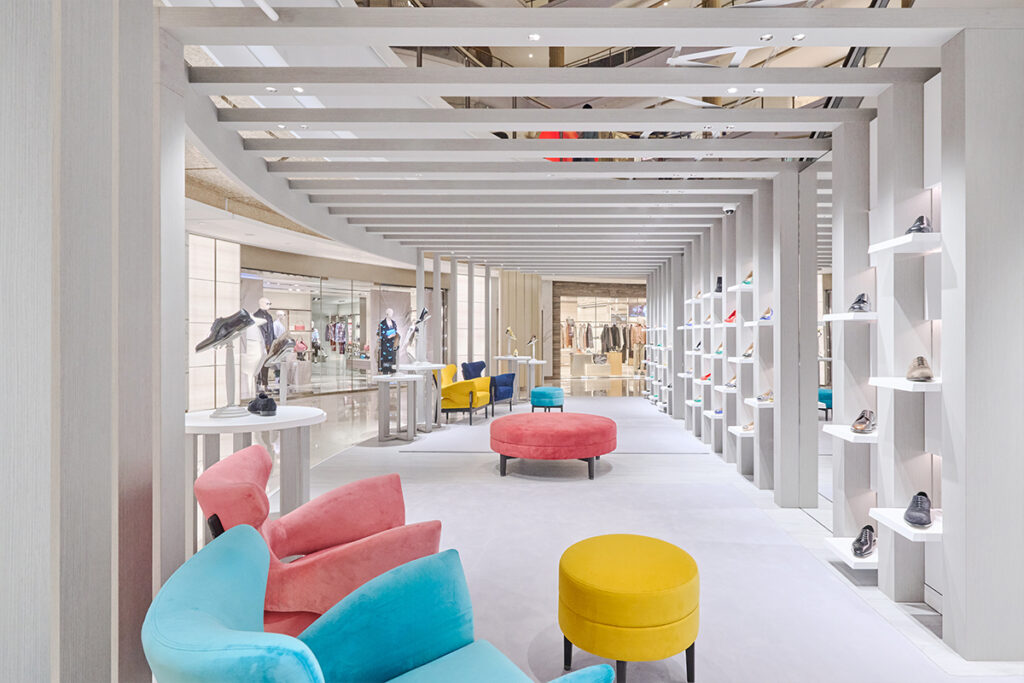
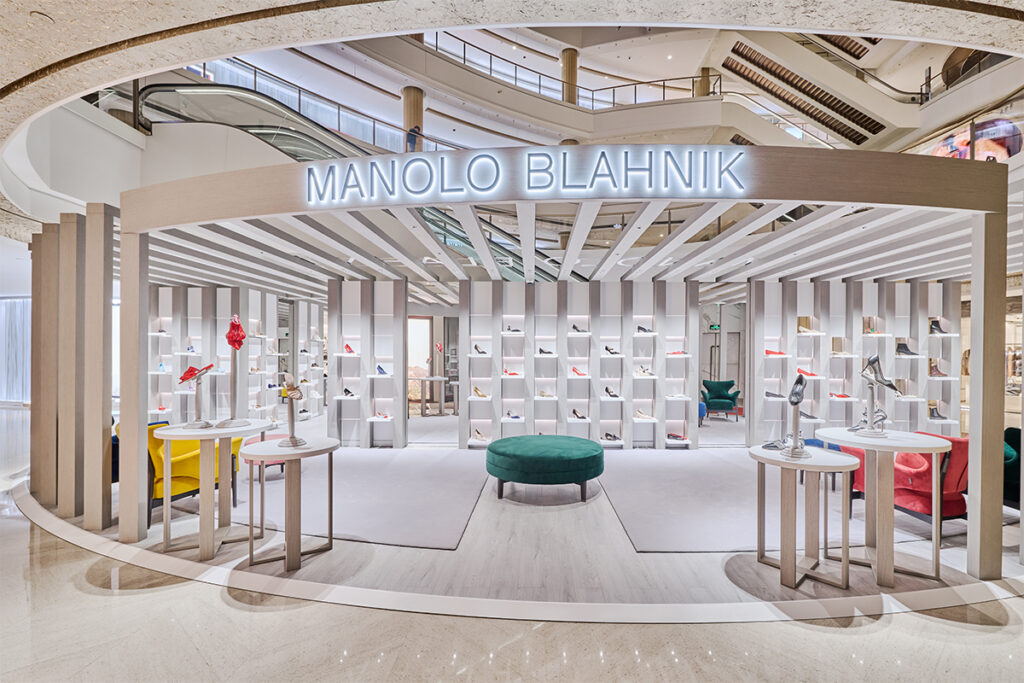
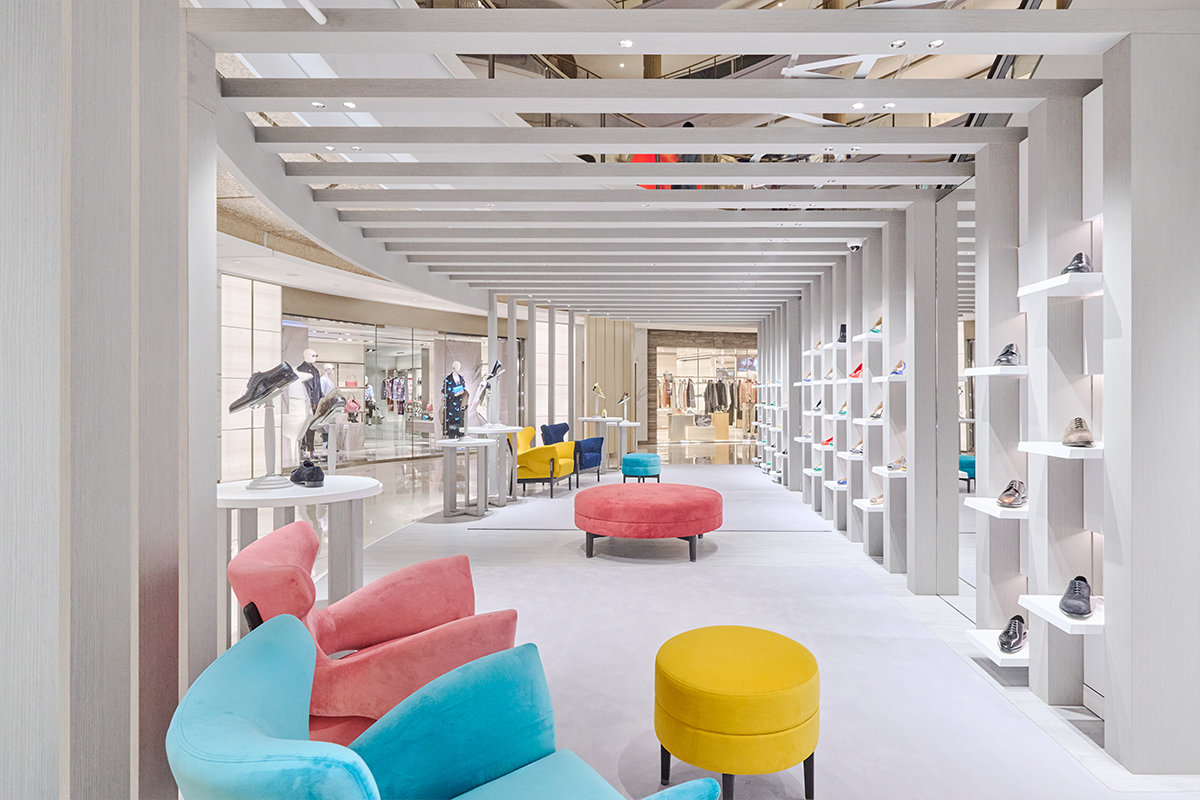
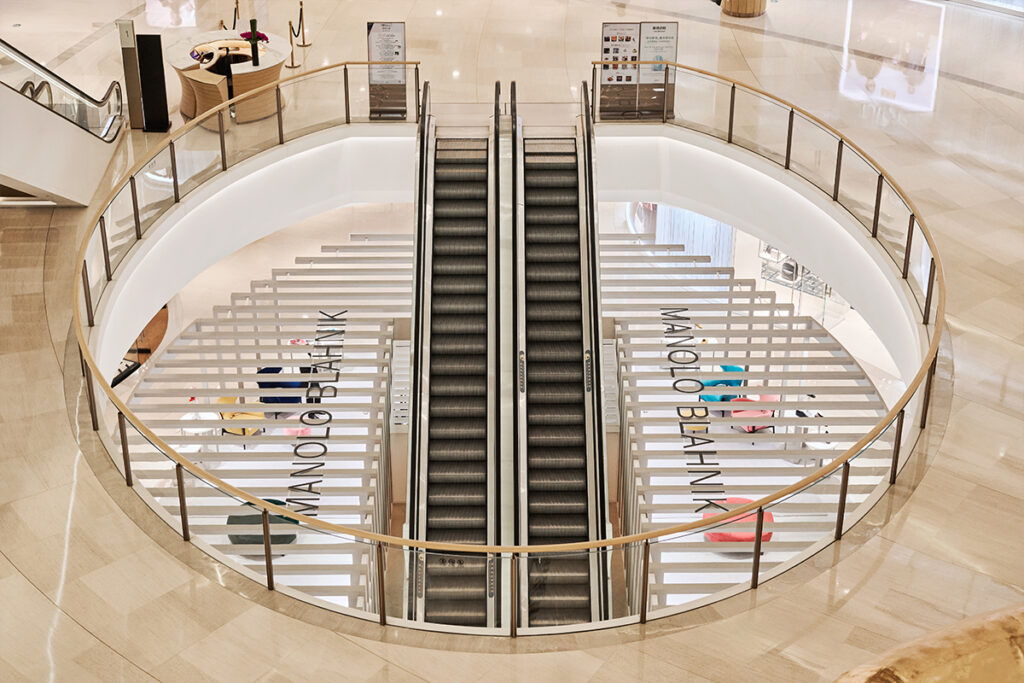
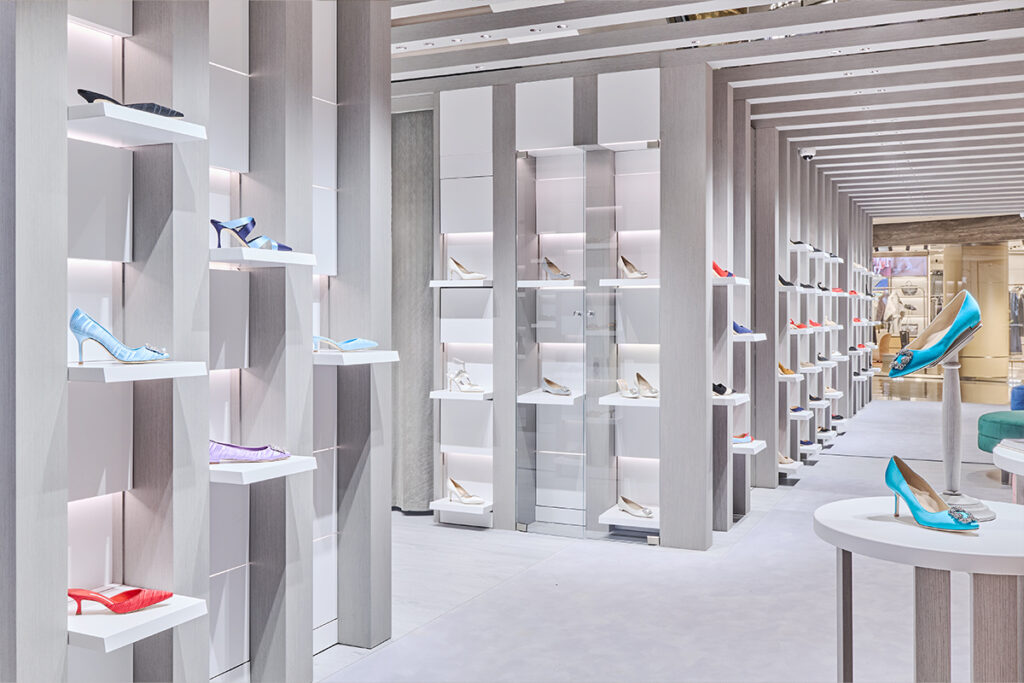
While digital growth is essential, Manolo Blahnik has not abandoned brick-and-mortar stores. Instead, it has redefined them as experience hubs designed to bridge online and offline journeys. New boutiques in Miami and Shanghai showcase this strategy.
The Miami store, for example, draws inspiration from the city’s Art Deco heritage, emphasising aesthetics as much as products. These physical spaces are no longer just transactional points; they are brand storytelling arenas, sensory engagement centres, and valuable sources of first-party customer data. In 2024 alone, the company invested €4.3 million in expanding its global store network, highlighting the continued importance of curated physical experiences.
3. Building a Data-Driven Infrastructure
Behind the consumer-facing innovations lies a less visible but equally critical investment: operational infrastructure. Managing a global DTC business requires efficient logistics, inventory control, and fraud prevention.
Manolo Blahnik partnered with Oracle NetSuite to streamline supply chain management and financial processes, ensuring real-time oversight of global operations. Additionally, collaboration with Forter improved fraud detection and increased online transaction approval rates to 99%. These backend systems ensure that the customer experience is seamless from purchase to delivery—an often-overlooked but essential component of a successful omnichannel strategy.
DTC vs. Wholesale: Finding the Balance
While the shift toward DTC is central to Manolo Blahnik’s vision, the brand recognises the continued importance of wholesale. Wholesale provides visibility, scale, and accessibility that would be costly to replicate exclusively through direct channels.
Industry data suggests that by 2030, online luxury sales may account for up to 34% of the market, but wholesale will likely remain dominant, contributing 60–70% of revenue. For Manolo Blahnik, the goal is equilibrium: achieving 50% of sales through DTC by 2025 while maintaining a strong wholesale presence across 300+ global partners.
This balanced approach demonstrates that the future of luxury is not about choosing one channel over the other but integrating both into a cohesive, consumer-centric strategy.
The pivot has come with short-term financial sacrifices. After record growth in 2022, revenues declined in 2023 and 2024 as the company invested heavily in new stores and digital infrastructure. Gross operating profits dropped by 61% in 2024, a figure that could easily be misinterpreted as failure.
However, deeper analysis reveals a different story. Retail sales grew by 13% in the same period, and the share of DTC sales increased from 22% in 2023 to 32% in 2024. These numbers signal that while the top line contracted, the foundation for future profitability and resilience is being built.
Manolo Blahnik’s journey provides valuable insights for luxury brands navigating today’s turbulent landscape:
- Blend heritage with innovation: Use technology to enhance, not replace, brand storytelling.
- Adopt a hybrid model: Balance DTC for control and data with wholesale for scale and visibility.
- Prioritise first-party data: Owning the customer relationship is key to personalisation and long-term loyalty.
- Invest in infrastructure: Seamless operations and resilient supply chains are the backbone of successful omnichannel strategies.
- Embrace recalibration: Short-term setbacks can be necessary stepping stones toward long-term growth.
Manolo Blahnik’s strategic pivot demonstrates how a legacy luxury brand can remain relevant in an era of changing consumer values and economic uncertainty. By transforming its retail model, embracing immersive technology, and building a data-driven foundation, the brand is positioning itself as more than a footwear label—it is shaping the future of luxury retail.
In today’s market, resilience is not about chasing quick wins. It is about carefully balancing tradition with innovation, experience with product, and short-term challenges with long-term vision. Manolo Blahnik has provided a powerful blueprint for how luxury can thrive in the years ahead.