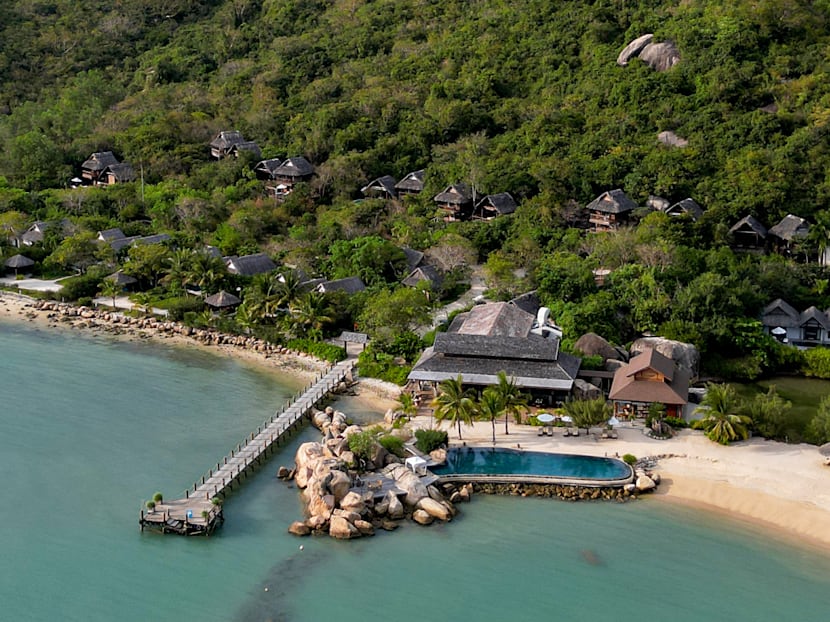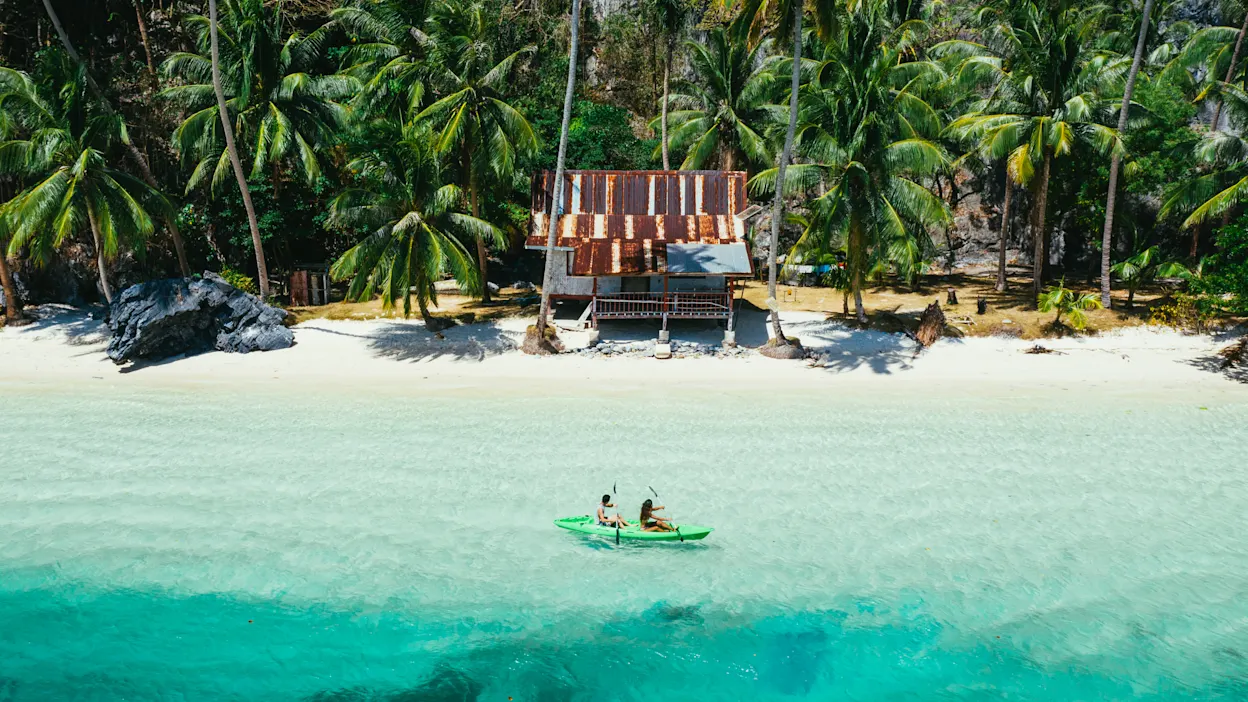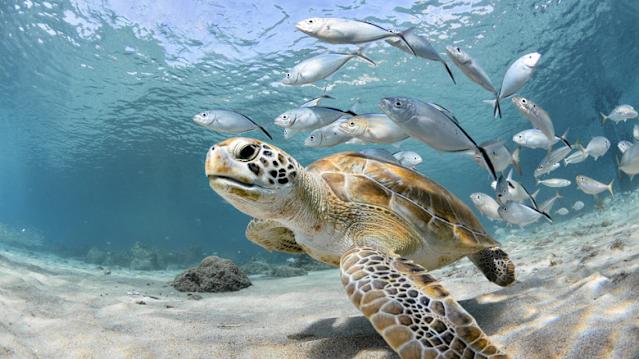
Travelers flock to the Caribbean for warm breezes, golden sunshine, and crystal-clear turquoise seas. Ranked among the top beach destinations for 2026, the region is ideal for romantic escapes, yacht adventures, and family holidays. Beyond the beaches, though, the Caribbean is a biodiversity hotspot, home to extraordinary plants and animals found nowhere else on Earth. From whale-watching excursions and rainforest hikes to wildlife sightings right from an eco-lodge balcony, the Caribbean delivers encounters far more memorable than any zoo visit.
Think sperm whales cruising the waters of Dominica, mona monkeys swinging through Grenada’s forests, Puerto Rico’s singing Coquí frogs, giant iguanas basking in the Bahamas, and wild donkeys roaming freely on St. John. These five islands stand out for travelers hoping to experience the Caribbean’s most distinctive wildlife.
We define “unique” broadly—species that are endemic, rare, endangered, or simply unusual enough that most people would never encounter them near home. Drawing from reputable references and firsthand travel accounts, we focused on destinations that balance rich biodiversity with accessibility, eco-conscious lodging, and traveler safety. Only islands with U.S. Department of State travel advisories at Level 1 or Level 2 made the list.
Dominica

Dominica announces itself instantly with its dramatic landscape: volcanic peaks rising sharply from the sea, towering waterfalls cascading into jade-green pools, steaming hot springs, and even a famous Boiling Lake sending mist across the rainforest. Known as “The Nature Island,” Dominica is far less touristy than many of its neighbors and one of the most biodiverse islands in the Caribbean.
At its core lies Morne Trois Pitons National Park, a UNESCO World Heritage site that feels almost prehistoric. Endemic birds like the red-necked parrot and the Sisserou parrot—Dominica’s national bird—share the canopy with dozens of other species. The island is also home to rare orchids, the endemic Dominican hairstreak butterfly, and the critically endangered mountain chicken frog.
Guided hikes are recommended for challenging trails such as Boiling Lake, Morne Diablotin, and the 115-mile Waitukubuli National Trail, while the Syndicate Trail offers easier access for birdwatching. The drier season, from November to May, is best for hiking. Lodging options like Papillote Wilderness Retreat and 3 Rivers Eco Lodge place visitors right in the heart of the jungle.
Dominica is also considered the whale-watching capital of the Caribbean. Its deep offshore waters support year-round sperm whale populations, protected within the Sperm Whale Reserve. Swimming with whales is possible under strict regulations, and snorkelers can even spot thermal bubbles rising from the ocean floor at sites like Bubble Beach. With new nonstop routes from U.S. cities added in 2025, reaching Dominica has become easier than ever.
Puerto Rico

Puerto Rico offers far more than historic streets and sun-soaked beaches. El Yunque National Forest, the only tropical rainforest in the U.S. National Forest system, is alive with unique wildlife, including the iconic Coquí frog. While Coquí frogs exist elsewhere in the Caribbean, Puerto Rico is the only place where they sing.
The island hosts around 120 nesting bird species, including the critically endangered Puerto Rican Amazon parrot. Bats are Puerto Rico’s only native land mammals, with about a dozen species inhabiting caves and forests—often visible at dusk. Other notable wildlife includes the Puerto Rican boa, the Puerto Rico emerald hummingbird, and a wide range of reptiles and amphibians.
Offshore, Puerto Rico boasts some of the brightest bioluminescent bays in the world. Mosquito Bay in Vieques glows at night thanks to microscopic dinoflagellates, creating a surreal kayaking experience. Laguna Grande and La Parguera offer similar spectacles, with La Parguera allowing swimming. From January to March, migrating humpback whales can also be spotted offshore.
With abundant nonstop flights from the mainland and no passport required, Puerto Rico remains one of the most accessible wildlife destinations in the Caribbean.
Grenada

Situated near the southern end of the Lesser Antilles, Grenada is an underrated gem with 45 beaches and thriving coral reefs. Snorkelers are drawn to its clear bays, vibrant marine life, and the famous Moliniere Underwater Sculpture Park. Thanks to volcanic soil and a tropical climate, the island is lush year-round, earning its nickname, the “Spice Isle,” for its nutmeg, cacao, and bay leaf trees.
Grenada is the only Caribbean island home to mona monkeys. Believed to have arrived from West Africa in the 18th century, these reddish-brown primates with white beards now thrive in places like Grand Étang National Park. The park also shelters agoutis, manicou possums, iguanas, mongooses, armadillos, and the endangered Grenada frog.
Birdlife is equally impressive, with nearly 200 recorded species, including the Grenada dove and the hook-billed kite. Along the northern coast, Levera National Park is a key nesting site for leatherback and hawksbill sea turtles. These turtles are protected, and visitors are encouraged to observe them with conservation guides or volunteer with local groups like Ocean Spirits.
Direct flights from major U.S. cities make Grenada easy to reach, and the island maintains a Level 2 travel advisory.
Bahamas

Just 60 miles southeast of Florida, the Bahamas consists of more than 700 islands and cays, many known for powdery beaches and shallow, luminous waters. The Exumas are especially famous—not only for their scenery but for the swimming pigs of Big Major Cay, which have become a global curiosity.
Beyond the pigs, the Bahamas is rich in wildlife, with 32 national parks preserving habitats from mangroves and coral reefs to pine forests. About 300 bird species have been recorded here, including the Bahama woodstar hummingbird and the endangered Bahama oriole. Massive rock iguanas—dark, prehistoric-looking reptiles—inhabit select islands like Andros, Bitter Guana Cay, and Sandy Cay.
Marine life is abundant, with opportunities to snorkel vibrant reefs, swim with nurse sharks near Compass Key, and spot dolphins, sea turtles, and flamingos, the national bird. Eco-resorts and low-impact accommodations make nature-focused travel easy across the islands, which are accessible via nonstop flights, cruises, and ferries.
St. John, U.S. Virgin Islands

St. John may be small, but nearly 60% of the island is protected as Virgin Islands National Park. Within less than 19 square miles, visitors encounter a remarkable concentration of wildlife and tropical vegetation.
Wild donkeys are the island’s most endearing residents. Originally brought over for plantation labor, they were released after slavery ended and now roam freely through parks, beaches, and roadsides. Alongside them are iguanas, mongooses, white-tailed deer, bats, and a wide array of birds, including the bananaquit, the territory’s national bird.
Snorkeling and scuba diving are major highlights, with bays like Salt Bay and Maho Bay offering frequent sea turtle sightings. Coral reefs, tropical fish, and occasional dolphins make underwater exploration unforgettable. As a U.S. territory, St. John requires no passport, and travelers reach it via a short ferry ride from St. Thomas.

Methodology
To narrow the Caribbean’s hundreds of islands down to five, we evaluated wildlife diversity, endemism, accessibility, safety, and eco-friendly lodging options. While many destinations boast remarkable fauna—such as Trinidad and Tobago, which leads the region in bird species—only islands with Level 1 or Level 2 U.S. travel advisories were included.
“Unique” was defined as anything endemic, rare, endangered, or simply unusual enough to feel special and memorable. Consider this list a jumping-off point for discovering the wild side of the Caribbean—and an invitation to plan your next adventure surrounded by nature at its most extraordinary.