From Monaco’s jazz-filled evenings to Sicily’s winter harvest and Crete’s authentic island charm, the Mediterranean offers plenty of reasons to travel beyond the summer crowds.
The Mediterranean is often associated with packed beaches, sweltering temperatures, and crowded resort towns during the summer months. Yet, once the peak season passes, the region reveals a quieter, more relaxed side that can be just as rewarding—if not more so.
Travelers are increasingly embracing this alternative season, prompting airlines and hotels to extend their offerings beyond the traditional summer window. All-business-class airline La Compagnie, for instance, has introduced year-round service between New York and Nice, reflecting growing demand for off-season escapes.
The appeal is hardly new. Before the French Riviera became a celebrated summer playground, it was a favored winter retreat for European royalty. Today, destinations across the region are once again attracting visitors seeking milder weather, seasonal cuisine, cultural events, and a more intimate travel experience.
Here are four Mediterranean destinations worth considering between November and March.
November: Monaco for Jazz and Riviera Sophistication

Monte-Carlo’s Amazónico serves delicious Latin American dishes.Rusine Draz
Monaco offers a glamorous setting for a Thanksgiving getaway, particularly for travelers interested in music, fine dining, and elegant nightlife. The Monte-Carlo Jazz Festival runs for 12 days, with the Brand New Heavies among the performers scheduled around the holiday.
Jack Ezon of Embark Beyond recommends making the journey from Nice by helicopter rather than navigating potentially congested coastal roads. Travelers can arrange to have their luggage transported separately by car, making for a smoother arrival.
For accommodation, Hôtel Hermitage offers understated luxury and a more discreet atmosphere than the famous Hôtel de Paris. Dining at Amazónico, near Place du Casino, is another highlight. Its Latin American-inspired menu and terrace make it an appealing place to begin the evening, while the lively atmosphere can eventually turn the restaurant into a dance destination.
December: Sicily for Citrus Season and Mountain Views

Inside Rocca delle Tre Contrade in Sicily.Francis Amiand
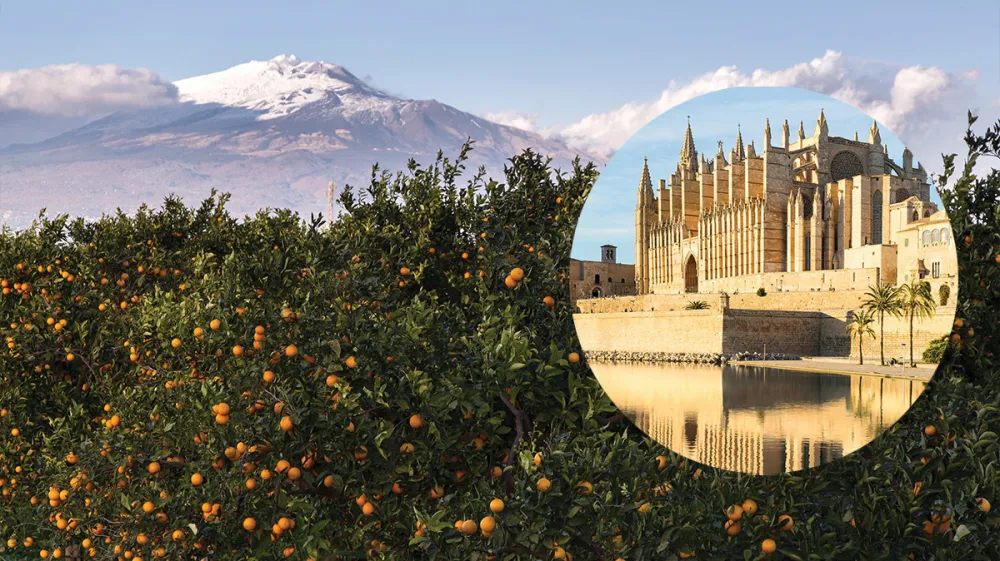
December brings Sicily’s citrus harvest, filling local menus with fresh oranges and other seasonal produce. The month also offers impressive views of snow-capped Mount Etna, with skiing available on the mountain’s northern slopes for families and winter-sports enthusiasts.
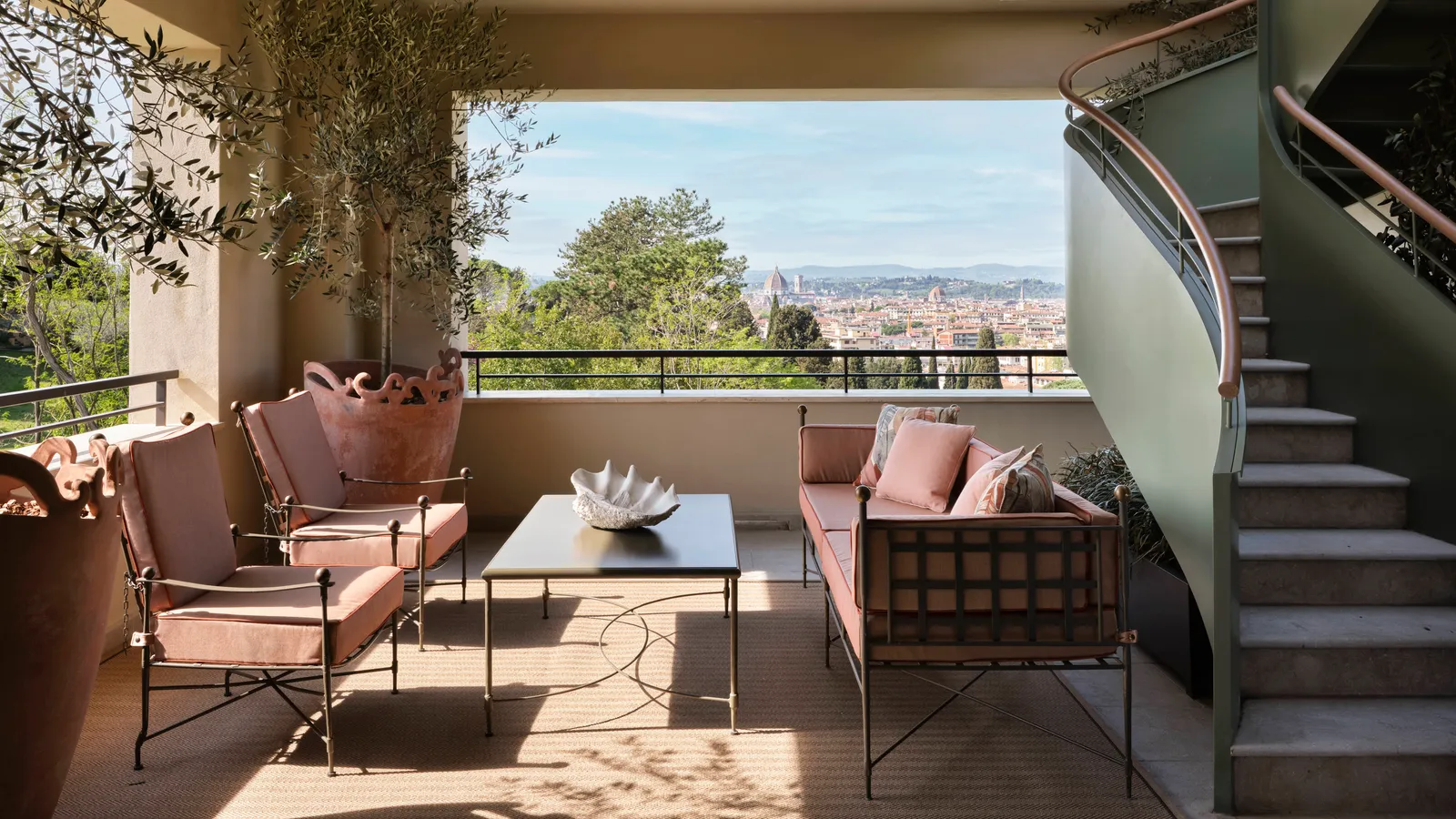
For a luxurious countryside escape, Rocca delle Tre Contrade is a standout option. Available through villa specialist The Thinking Traveller, the 12-bedroom property occupies a panoramic position on Sicily’s eastern coast.
The island’s culinary scene is equally compelling. Andrea Grisdale of IC Bellagio recommends I Pupi, a Michelin-starred restaurant where chef Tony Lo Coco gives traditional Sicilian dishes, including arancini, a contemporary interpretation. Alternatively, Kalos in Agrigento offers modern dining accompanied by sweeping views of the Valley of the Temples and its remarkable ancient landscape.
January: Mallorca for Cycling and Seaside Luxury
Mallorca has quietly become one of Europe’s most appealing cycling destinations, thanks to its rolling countryside, varied terrain, and comparatively mild winter climate.
Late January brings the annual Challenge Ciclista, a competition comprising five one-day races known as trofeus. Visitors can watch the riders in action or explore the same routes independently. Those tackling the island’s more demanding climbs can opt for an electric bicycle.
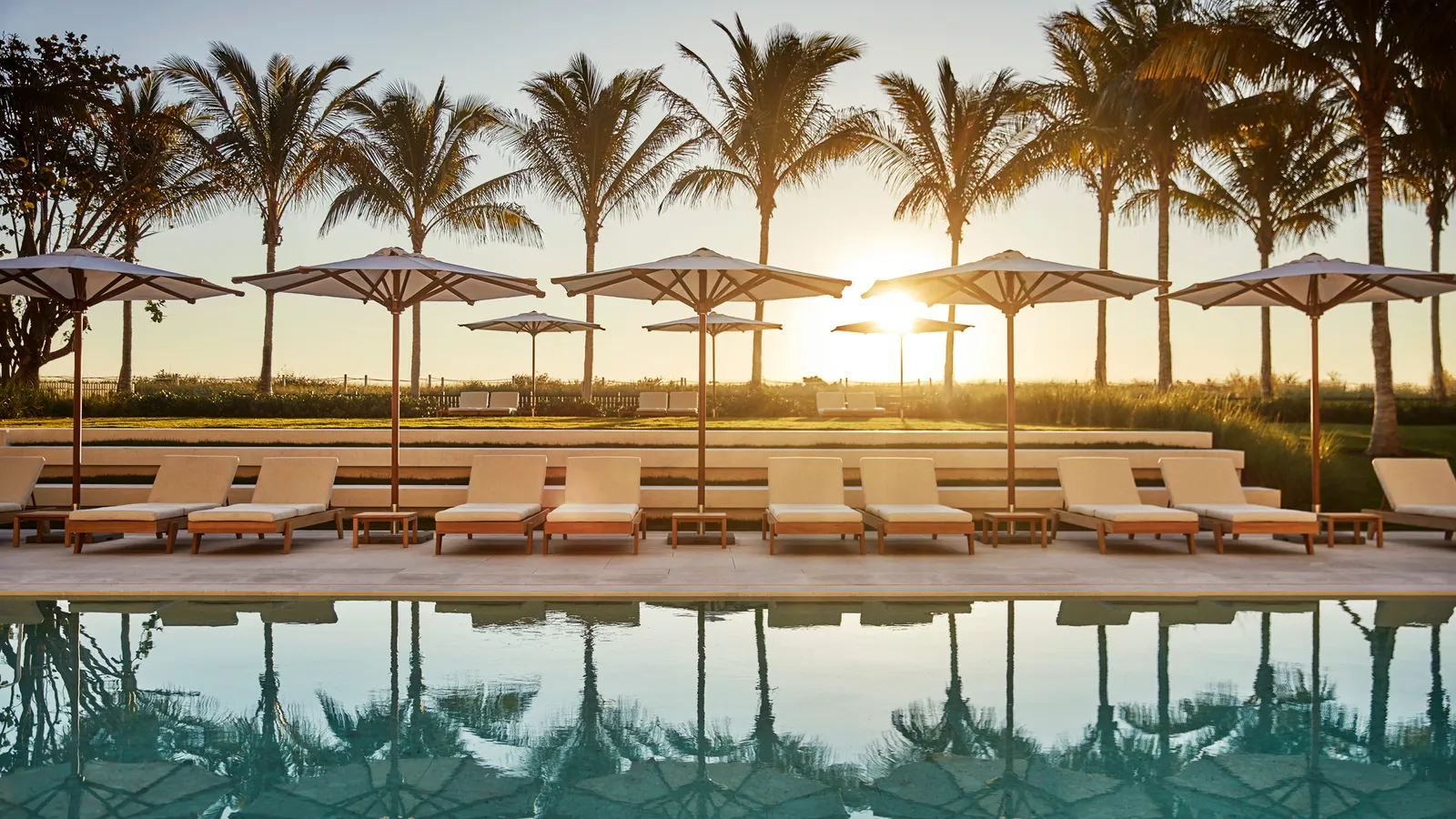
Virginia Irurita of Made for Spain & Portugal recommends Cap Rocat, a distinctive luxury hotel housed in a converted fortress overlooking the Bay of Palma. Its waterfront setting and historic architecture make it an attractive retreat after a day spent exploring the island.
For a meal focused on local flavors, Andana is worth considering. The restaurant is run by Mallorca-born chef Maca de Castro, whose work has earned Michelin recognition.

Crete’s Chania Harbor at sunrise.Joe Daniel Price/Getty Images
February and March: Crete for Culture and Local Traditions
Crete is particularly appealing during late winter, when fewer visitors allow the island’s towns and villages to retain a more authentic atmosphere. Ileana von Hirsch of Five Star Greece highlights the island’s favorable late-winter weather and recommends it to travelers looking for a less crowded Mediterranean experience.
Chania makes an excellent base, with its historic harbor, atmospheric old town, and lively local scene remaining inviting outside the summer season. If the weather turns, Fagotto Jazz Bar provides a cozy retreat in the chora, or old town, known for its intimate and atmospheric surroundings.
Late winter also offers a chance to experience Greece’s traditional celebrations ahead of Orthodox Lent. One of the season’s culinary highlights is Tsiknopempti, commonly translated as Smoky Thursday, when grilled and barbecued meats take center stage. In 2027, the celebration falls on March 4.
Discover the Mediterranean Beyond Summer
The Mediterranean’s offseason offers more than an escape from heat and crowds. It reveals a region shaped by seasonal harvests, cultural celebrations, outdoor pursuits, and a slower pace of life.
Whether enjoying Monaco’s music scene, sampling Sicily’s winter cuisine, cycling through Mallorca, or discovering Crete’s local traditions, travelers can experience familiar destinations from a different perspective.
For those who value exceptional food, distinctive hotels, and meaningful cultural encounters, the cooler months may be one of the Mediterranean’s most rewarding times to visit.